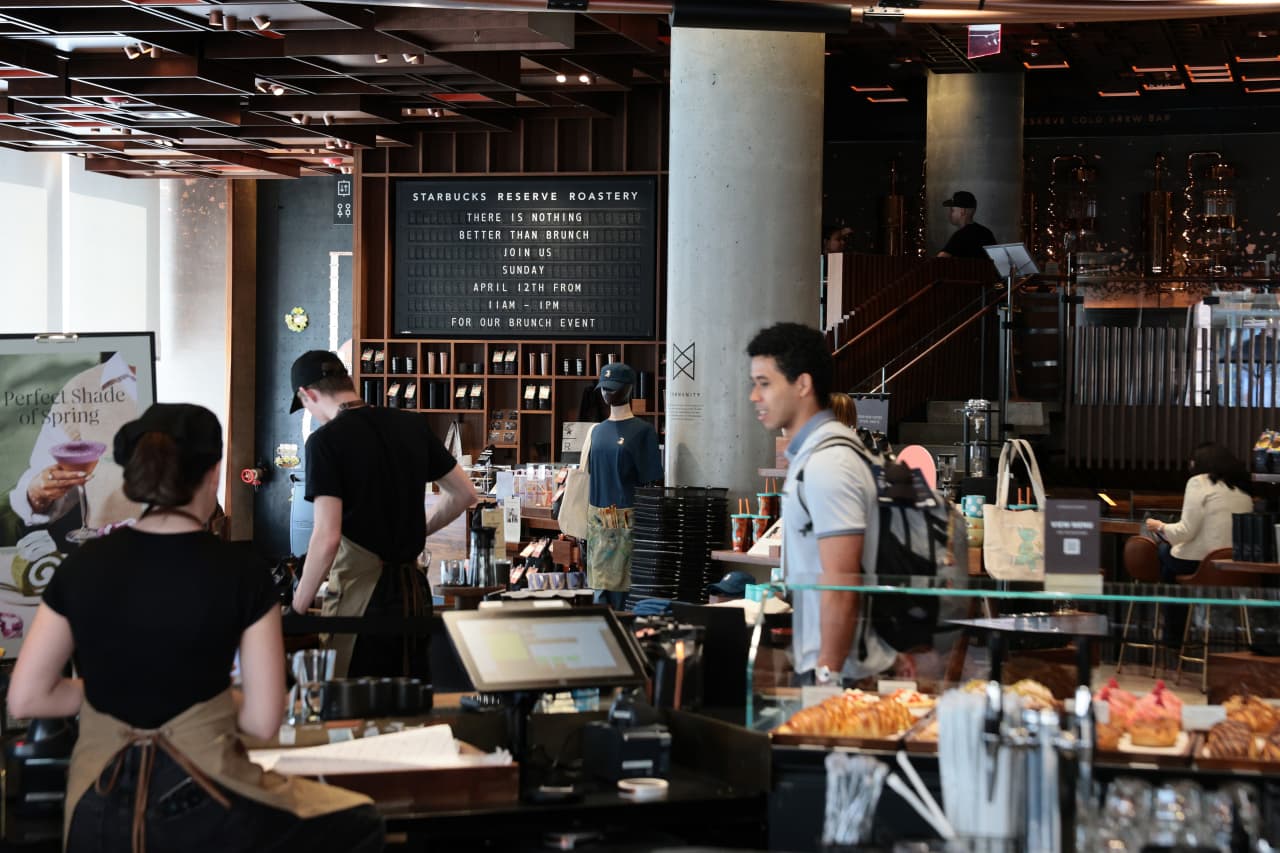
SEATTLE, WA – October 26, 2023 – Starbucks, the global coffee behemoth, today rolled out a significant two-pronged strategic initiative designed to re-energize its operations and stem recent financial headwinds. The company announced a comprehensive new bonus and digital tipping program for its extensive workforce alongside a landmark agreement to divest a substantial portion of its directly owned store operations in China to a prominent investment firm. Despite the ambitious nature of these interventions, aimed at bolstering both employee satisfaction and market efficiency, the immediate reaction from investors was muted, with the company's stock experiencing a dip by market close.
The Urgency of Turnaround: Why These Moves Matter
These strategic announcements come at a critical juncture for Starbucks. The company has faced increasing pressures from various fronts, including persistent unionization efforts domestically, rising labor costs, and a fiercely competitive and often volatile market in China. The employee incentives are a clear response to ongoing challenges in recruitment and retention, particularly in a tight labor market where frontline workers are seeking greater compensation and recognition. Simultaneously, the China divestiture signals a strategic repricing of risk and opportunity in a colossal, yet increasingly complex, international market. The previous quarter's earnings report highlighted slowing growth, underpinning the urgency for decisive action.
Deep Dive: Employee Compensation and China Restructuring
The new employee program includes a bonus structure tied to company performance and individual contributions, alongside a novel digital tipping option that allows customers to tip baristas directly through the Starbucks mobile app. While specifics on the bonus thresholds were not immediately disclosed, the digital tipping feature is expected to be fully rolled out across all U.S. company-operated stores by the end of Q1 2024.
Concurrently, Starbucks revealed a deal transferring a 49% stake in its directly owned stores in mainland China to ABC Global Capital Partners, a move valuing the specific divested assets at an estimated $1.8 billion. Starbucks will retain a controlling 51% interest, signaling a continued commitment to the market but also a willingness to offload operational burdens and leverage local expertise and capital for future expansion. This deal echoes a similar strategy employed by numerous multinational corporations seeking to navigate China's unique business landscape.
Industry Repercussions and Market Perception
The dual announcement has sent ripples across both the consumer retail and international investment sectors. For the quick-service restaurant industry, Starbucks' enhanced employee benefits could set a new benchmark, potentially pressuring competitors to re-evaluate their own compensation structures. The move in China, however, reflects a broader trend of foreign companies re-evaluating their direct operational exposure in the region amidst heightened geopolitical tensions and increased domestic competition. Analysts are watching closely to see if this hybrid ownership model provides Starbucks with the agility needed to compete effectively against fast-growing local coffee chains like Luckin Coffee.
Expert Analysis: A Calculated Risk?
Industry analysts offered mixed reactions. "Starbucks is attempting to kill two birds with one stone: address domestic labor grievances and de-risk its most significant international growth market," stated Sarah Chen, a senior analyst at Retail Insights Group. "The investor reaction, however, indicates skepticism regarding the immediate financial upside of these costly employee programs and the long-term implications of partial control in China." Stephen Davies, an equities strategist at Global Market Watch, added, "While the China deal brings in fresh capital and local partnership, the market often prefers full control or full exit. A 49% sale, while strategic, leaves questions about overall synergy and executive authority in the long run."
What Lies Ahead: Implementation and Integration
The success of these initiatives hinges on seamless execution. The employee bonus and tipping programs must genuinely boost morale and retention to translate into improved customer service and operational efficiency. In China, the partnership with ABC Global Capital Partners will require careful integration of strategies and operations to avoid potential friction and to maximize market share in a highly competitive environment. Starbucks’ management team will need to demonstrate tangible improvements in financial performance and unit economics in future earnings calls to assuage investor concerns. The company has indicated that specific details regarding reinvestment of the China proceeds will be outlined in its next quarterly report, expected in early 2024.
Conclusion: Navigating a Shifting Landscape
Starbucks' bold twin strategy represents a calculated effort to adapt to evolving global economic realities. By investing in its people and recalibrating its approach to a key international market, the coffee giant is attempting to lay a new foundation for sustained growth. Whether these significant pivots will yield the desired turnaround and translate into robust shareholder value remains a closely watched narrative for the months and years to come.