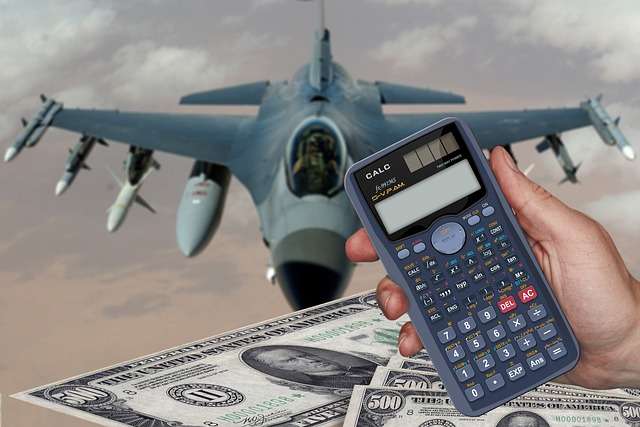
Keir Starmer's recent announcement concerning enhanced defence spending is setting the stage for a substantial financial predicament for the incoming Prime Minister. This commitment, while signaling a robust stance on national security, is projected to burden the next administration with an estimated £4.7 billion financial hurdle—a figure that underscores the intricate balance between national defense priorities and fiscal responsibility.
Context and Strategic Significance
The issue of defense expenditure has long been a contentious one within UK political discourse, frequently sparking debates over strategic necessity versus economic capacity. Starmer's pledge to inject further funds into the Ministry of Defence comes at a time of heightened global instability, re-emphasizing the perceived need for a strong military. However, the precise mechanisms for funding this increase, and its potential impact on other public services, remain subjects of intense scrutiny. The decision reflects a broader trend among Western nations to bolster defense budgets in response to evolving geopolitical landscapes, but the financial implications for a nation already navigating economic pressures are profound.
The £4.7 Billion Question
The central figure in this unfolding scenario is the £4.7 billion addition to the defense budget. This sum is not merely an abstract number but represents a substantial commitment that will necessitate difficult choices for the next government. It is understood that Starmer's plan aims to address perceived shortfalls in military readiness and modernization, potentially encompassing new equipment procurement, personnel training, or strategic research and development initiatives. Without explicit details on the specific allocations at this stage, the future Prime Minister will inherit the task of delineating how this considerable investment will translate into tangible defense improvements while ensuring financial prudence. This figure alone will place significant pressure on the Treasury and could necessitate budget reallocations from other departments or explore new revenue streams.
Broader Economic and Political Ramifications
The decision to increase defence spending carries multifaceted implications beyond the immediate military enhancement. Economically, such a significant investment could stimulate certain sectors, particularly aerospace and defense manufacturing, potentially creating jobs and fostering technological advancements. However, it also raises questions about trade-offs, as funds allocated to defense are funds not available for healthcare, education, or infrastructure projects. Politically, the plan could be met with mixed reactions; while appealing to voters concerned with national security, it may draw criticism from those advocating for greater investment in social services. The debate is likely to center on the sustainability of such an increase and its long-term effects on the national debt and fiscal health.
The In-Tray for the Next Prime Minister
For the individual who steps into Downing Street next, Starmer's defence plan will undoubtedly be one of the most formidable items in their policy in-tray. Navigating the complexities of this £4.7 billion commitment will require deft political skill and robust economic planning. They will be tasked with justifying the expenditure to the public, overseeing its implementation, and managing the inevitable pressures from various stakeholders, including the military, industry, and other government departments competing for resources. The challenge will be to ensure that the investment delivers genuine strategic value without unduly burdening the taxpayer or compromising other essential public services.
Forward Outlook
As the political landscape continues to evolve, the practicalities of Starmer's defence spending pledge will come under increasing scrutiny. The upcoming months are expected to bring further details regarding the proposed allocation and potential funding mechanisms. The next Prime Minister will face immediate pressure to articulate a clear strategy for integrating this significant financial commitment into the broader governmental agenda, managing expectations, and demonstrating a clear return on this substantial investment in national security. The unfolding discussions and decisions surrounding this £4.7 billion sum will be critical in shaping the nation's defense posture and its fiscal future for years to come.