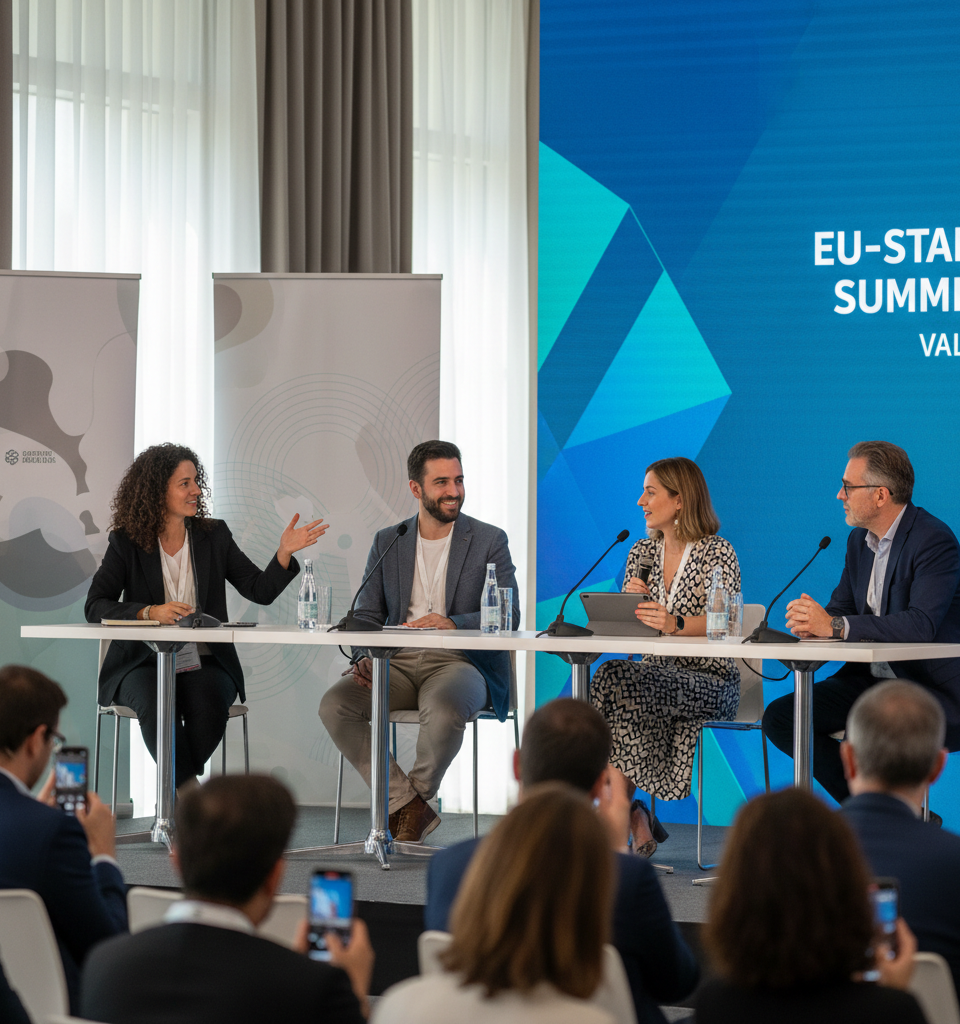
At the highly anticipated EU-Startups Summit 2026 in Valletta, Malta, a critical panel session provided invaluable insights into the often-elusive world of startup public relations and media engagement. Founders seeking to elevate their ventures through earned media were given a candid assessment by the very individuals who shape editorial narratives. The session, aptly titled “The Startup Media Playbook,” delineated actionable strategies, common missteps, and the enduring debate around in-house versus agency PR.
The Imperative of Early PR Engagement
The discussion underscored the growing importance of PR for nascent companies, not just for brand building but for attracting investment and talent. In today's hyper-competitive startup ecosystem, differentiation goes beyond product innovation; it extends to how effectively a company communicates its value proposition and vision. Historically, PR was often an afterthought for startups, typically engaged only after a significant funding round or product launch. However, panelists emphasized that early, strategic media outreach can lay crucial groundwork, building credibility and amplifying key messages long before major milestones.
Dissecting the Media Playbook: What Works
Central to the panel's advice was the concept of the “friends-and-family headline test.” This simple yet effective method involves sharing potential headlines or story angles with trusted, non-industry contacts. If these individuals, without prior context, express genuine interest or understanding, the story likely possesses broad appeal. The panelists stressed the importance of clear, concise, and compelling storytelling over jargon-laden press releases. Real-world examples of successful media placements highlighted startups that focused on solving tangible problems or presenting novel solutions, rather than merely announcing product features. A key takeaway was the need for startups to articulate their unique selling proposition (USP) in a way that resonates with a journalist's audience, often by framing their innovation within broader industry trends or societal shifts.
Navigating the Pitfalls: What Doesn't Work
The panel didn't shy away from exposing common PR missteps. Over-pitching irrelevant stories, failing to tailor pitches to specific journalists or publications, and neglecting to provide tangible data or compelling visuals were cited as significant deterrents. One editor recounted receiving dozens of generic pitches daily, emphasizing that only those demonstrating a clear understanding of the publication's focus and audience stood a chance. Panelists also cautioned against a 'spray and pray' approach to media outreach, advocating instead for targeted, personalized engagement. The consensus was clear: a poorly executed PR strategy can be more detrimental than no strategy at all, potentially damaging relationships with key media contacts.
The Agency vs. In-House Debate
A significant portion of the discussion revolved around the perpetual question for startups: to hire an agency or manage PR in-house? While the cost of a reputable PR agency can be substantial—often ranging from €5,000 to €15,000 per month for early-stage startups—panelists acknowledged their value in offering established media relationships, strategic guidance, and bandwidth. However, they also highlighted cases where dedicated in-house PR professionals, particularly those with a strong understanding of the company's mission and industry, could achieve impressive results. The ultimate recommendation was a hybrid approach for many: an in-house team to nurture internal messaging and leverage an agency for targeted campaigns or global reach, especially for startups planning international expansion.
Broader Industry Implications
These insights from the EU-Startups Summit reflect a maturing startup media landscape. As the volume of new ventures continues to grow, traditional media outlets face increased pressure to filter and select truly impactful stories. This trend places a greater onus on startups to hone their PR strategies, ensuring their narratives cut through the noise. The increasing influence of specialized tech publications and niche industry blogs also means that a diversified media outreach strategy, beyond mainstream outlets, is becoming critical for comprehensive coverage. VCs and angel investors are increasingly scrutinizing a startup's media presence as an indicator of market validation and communication effectiveness.
The Road Ahead for Startup Media Relations
Looking forward, the integration of data-driven PR and the strategic use of founder personal branding are expected to define the next frontier of startup media relations. Startups will increasingly leverage analytics to track pitch success rates, media sentiment, and the impact of coverage on key business metrics. Furthermore, founders who actively cultivate their personal brands and become thought leaders in their respective fields will find it easier to secure media attention, as their expertise adds significant gravitational pull to their company's story. The era of passive media engagement is unequivocally over; proactive, strategic, and informed PR is now a non-negotiable for success in the vibrant European startup ecosystem and beyond.