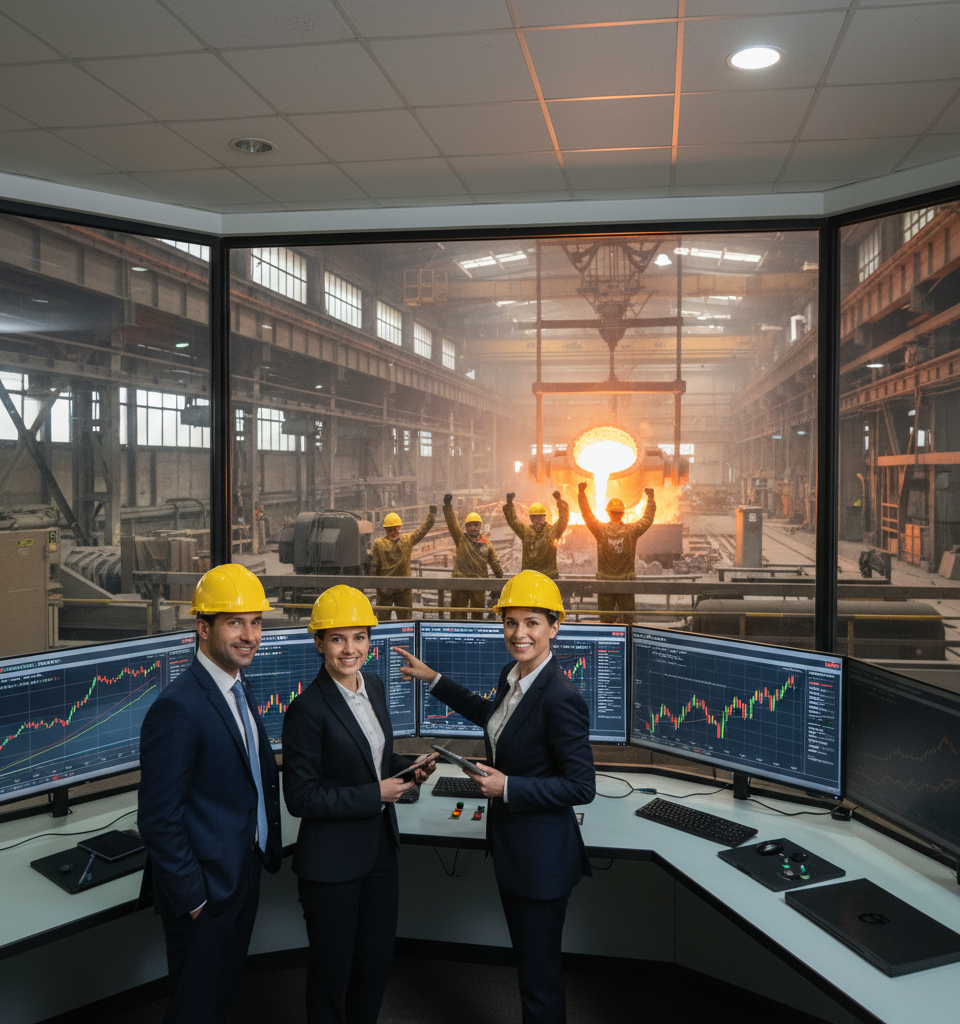
Leading steel producers are hinting at a substantial boost in their first-quarter earnings, with company representatives and preliminary reports consistently pointing to elevated steel prices as the primary catalyst. This anticipated financial strength for Q1 2026 suggests a continuation of favorable market conditions that have empowered manufacturers to command higher rates for their products, directly impacting their bottom lines.
The steel industry, a bellwether for global economic health and industrial activity, has navigated a dynamic landscape over the past year. Following periods of supply chain disruptions and fluctuating demand, the stabilization and subsequent ascent of steel prices reflect a robust underlying demand, particularly from key sectors such as automotive, construction, and infrastructure development. The ability of producers to maintain these higher price points speaks to a balance of supply and demand that currently favors manufacturers.
Market Dynamics and Pricing Strategy
The current pricing environment for steel is a complex interplay of input costs, global trade policies, and domestic consumption patterns. While specific figures are yet to be disclosed, the consistent messaging from steel executives underscores a strategic approach to pricing that has capitalized on reduced inventory levels and renewed industrial output. This approach has allowed companies to pass on increased operational costs, including energy and raw materials, to consumers without significantly impacting demand elasticity. The sustained demand for steel, even at elevated prices, highlights the critical role the material plays in a multitude of industrial processes and finished goods.
The broader implications for the global commodities market are significant. A strong performance from the steel sector often signals optimism across other industrial materials. Investors and analysts will be closely monitoring the upcoming earnings reports for further insights into economic resilience and inflationary pressures within manufacturing. The ability of steel companies to successfully implement and sustain higher pricing points could set a precedent for other heavy industries, influencing their own pricing strategies and future financial outlooks.
Impact on Industrial Sectors
For major consumers of steel, such as car manufacturers, real estate developers, and energy infrastructure projects, the sustained higher prices translate into increased input costs. While these sectors have largely absorbed these increases to date, a prolonged period of elevated steel prices could eventually necessitate adjustments in their own pricing structures or lead to a search for alternative materials or more efficient design processes. However, current market indicators suggest that demand remains strong enough to accommodate these higher costs, at least in the short to medium term.
Industry insiders are keenly observing how this anticipated earnings surge might influence capital expenditure decisions among steel producers. Strong financial results could empower companies to invest further in modernization, decarbonization technologies, and capacity expansions. Such investments are crucial for long-term sustainability and competitiveness in a rapidly evolving global market, particularly as environmental regulations become increasingly stringent.
Looking Ahead: Q2 Projections
As the first quarter concludes, attention is already shifting to the outlook for Q2 2026. While the current momentum suggests continued strength, market participants will be scrutinizing any forward guidance from steel companies for indications of a sustained upward trend or potential softening of prices. Factors such as global economic growth forecasts, potential trade policy shifts, and the trajectory of construction and infrastructure spending will all play critical roles in shaping the steel market's performance in the coming months. The robust Q1 earnings, driven by strategic pricing, position the steel industry on solid footing as it navigates the remainder of the fiscal year.