The introduction of advanced weaponry into ongoing conflicts presents significant procurement and operational challenges for defense contractors and allied nations, influencing long-term defense spending and strategic partnerships. Geopolitical stability hinges on understanding the capabilities and limitations of such military technology.
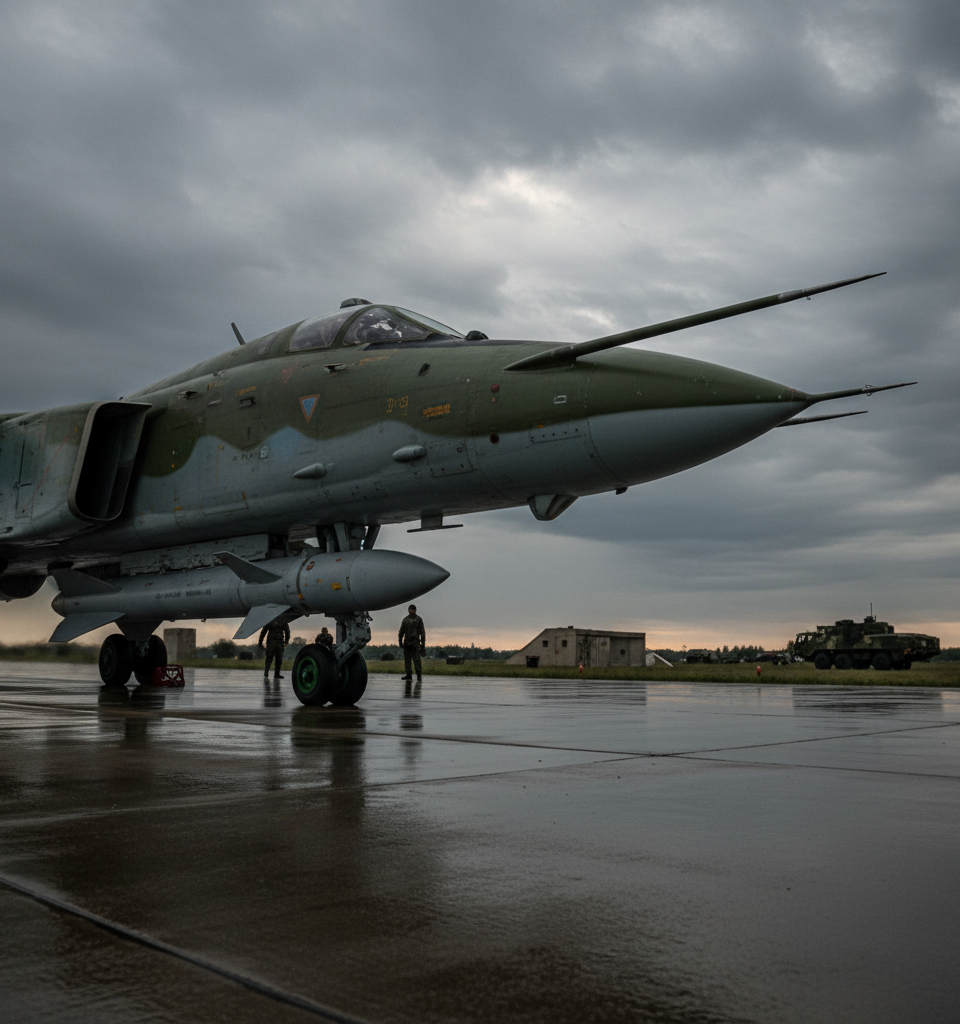
Concerns are mounting over the potential impact of the United Kingdom's Storm Shadow cruise missile in the Russia-Ukraine conflict, as correspondent Joe Inwood assesses its capabilities and potential implications. This high-precision, long-range weapon is being closely watched to determine if it could indeed become a pivotal asset for Ukrainian forces, potentially shifting the dynamics of the protracted war. The analysis focuses on how this particular weapons technology might enable Ukraine to strike deeper into Russian-held territories, influencing strategic targets and supply lines.
Technological Edge and Strategic Implications
Developed jointly by France and the UK, the Storm Shadow (known as SCALP-EG in French service) is a stealthy, long-range air-launched cruise missile designed to target high-value, hardened assets deep behind enemy lines. Its key features include a range exceeding 250 kilometers (approximately 155 miles), making it the longest-range Western-supplied weapon system given to Ukraine to date. Equipped with advanced navigation systems, including GPS, terrain-following, and imaging infrared seeker for terminal guidance, it boasts exceptional accuracy. The missile carries a 450-kilogram BROACH (Bomb Royal Ordnance Augmented Charge) warhead, designed for tandem penetration, first breaching a target and then detonating inside.
Experts suggest that the Storm Shadow's operational ceiling and stealth characteristics make it difficult for conventional air defense systems to intercept, potentially increasing its success rate against critical infrastructure or command-and-control centers. Its deployment could necessitate adjustments in Russian defensive postures and logistics, potentially forcing them to relocate high-value assets further from the front lines.
Impact on the Broader Landscape
For defense manufacturers and international military strategists, the performance of the Storm Shadow missile in Ukraine offers critical real-world data and insights. Success could boost demand for similar long-range precision strike capabilities, influencing future defense contracts and research and development priorities across NATO members and their allies. The conflict has already driven significant re-evaluations of existing weapon inventories and accelerated the modernization of military hardware in many countries.
Furthermore, the provision of such advanced offensive capabilities by Western nations raises questions about the escalation risks and the intricate balance of international aid and geopolitical deterrence. The effectiveness of these weapons could also affect the broader defense market, particularly for aerospace and defense companies specializing in precision munitions and electronic warfare systems.
Expert Analysis and Future Scenarios
Joe Inwood's analysis underscores that while powerful, the Storm Shadow missile alone is not a silver bullet. Its effectiveness will depend on several factors, including the quantity supplied, the availability of compatible launch platforms (such as modified Ukrainian fighter jets), intelligence for target identification, and the integration of these strikes into a broader military strategy. Analysts suggest that its primary role could be to degrade Russian logistics, disrupt command centers, and target critical infrastructure that supports military operations, thereby softening defenses for potential ground offensives.
However, its limited numbers could mean that its impact, while significant in specific instances, might not be transformative across the entire vast front line without sustained and increased supplies. Its deployment could lead to a more symmetrical long-range strike capability, forcing Russia to expend more resources on defense and counter-measures.
What Comes Next?
The coming months will be crucial in assessing the true 'game-changer' potential of the Storm Shadow. Observers will be closely monitoring reports from the front lines regarding its deployment, target effectiveness, and any documented impacts on Russian military operations. The strategic implications could extend beyond the battlefield, potentially influencing international diplomatic efforts and future security assistance packages for Ukraine. Should the missile prove highly effective, it could prompt calls for the provision of even more advanced long-range systems, escalating the technological arms race within the conflict and presenting new challenges for military planners and international relations experts alike.