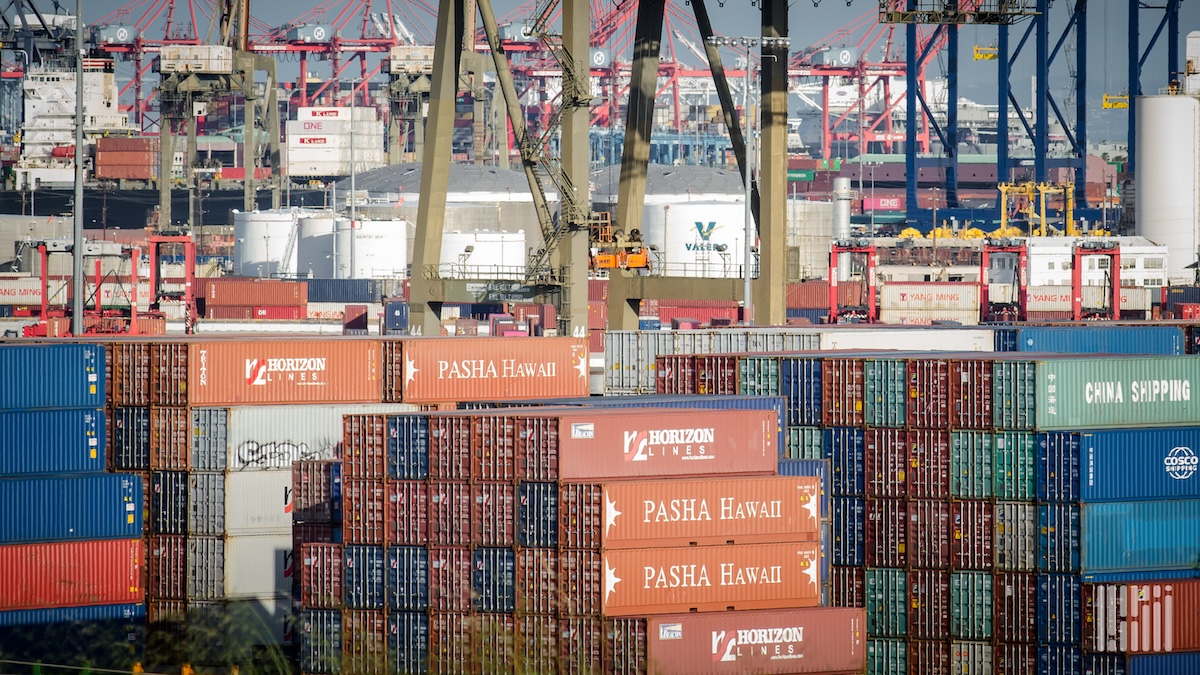
**SINGAPORE – ** – The vital maritime artery of the Strait of Hormuz, responsible for a significant portion of global oil and gas shipments, has been effectively closed due to escalating geopolitical tensions in the Middle East. This strategic choke point's closure has immediately rippled through international supply chains, manifesting in a sharp 29% increase in ocean container shipping rates for routes between Asia and the United States, according to recent analyses by FreightWaves and other industry sources. The unprecedented disruption signals a new phase of global economic instability, threatening to unleash inflationary pressures and dampen international trade volumes.
Geopolitical Tensions Escalate Supply Chain Fragility
This latest surge underscores the inherent fragility of modern global supply chains, which remain acutely vulnerable to geopolitical flashpoints. The Strait of Hormuz, a narrow waterway connecting the Persian Gulf to the Arabian Sea, is strategically monumental. Historically, any threat or disruption to passage through this strait has sent shockwaves through energy markets. However, in an interconnected world, its impact now extends far beyond oil and gas, directly affecting the movement of containerized goods and raw materials essential for global manufacturing and commerce. The current closure, linked directly to ongoing conflicts in the region, reprises and amplifies concerns about supply chain resilience that first emerged during the COVID-19 pandemic and have persisted through various regional conflicts.
Unpacking the Surge: Key Figures and Market Dynamics
Specific data indicates that average spot rates for a 40-foot equivalent unit (FEU) from major Asian export hubs to North American West Coast ports have jumped from approximately $2,500 to over $3,225 within a short period. East Coast rates have seen comparable, if not slightly larger, percentage increases. This rapid escalation is primarily driven by rerouting efforts away from what is perceived as an increasingly dangerous zone. Vessels now face significantly longer transit times, increased fuel consumption as they navigate alternative, often less direct, routes – such as the potentially longer journey around the Cape of Good Hope – and higher insurance premiums and security costs. Lars Jensen, CEO of Vespucci Maritime, noted, “The global repercussions of the Iran war are being felt throughout the supply chain, as evidenced by these sharp increases in ocean container rates.” This sentiment is echoed across the logistics industry, highlighting the direct link between conflict and commercial viability.
Far-Reaching Industry and Economic Impact
For industries reliant on just-in-time inventory systems, such as automotive, electronics, and fast-moving consumer goods, these rising freight costs and extended lead times pose significant challenges. Manufacturers will likely face higher input costs, which are almost certainly to be passed on to consumers, thereby fueling inflation. Retailers, already contending with cautious consumer spending, may see reduced profit margins or be forced to raise prices. The cumulative effect could stifle demand and slow economic growth globally. Furthermore, the capacity crunch on alternative routes could lead to port congestion and inland logistics bottlenecks, exacerbating delays beyond just the sea leg of the journey.
Expert Prognosis: Prolonged Disruption and Strategic Shifts
Shipping analysts and economists are largely in agreement that this is not a transient blip. Peter Sand, Chief Analyst at Xeneta, remarked, “This isn't just about a temporary surcharge. We are looking at a fundamental shift in shipping dynamics for as long as this geopolitical instability persists. Companies need to factor in permanently higher logistics costs.” Many experts predict that companies will increasingly re-evaluate their supply chain strategies, potentially accelerating nearshoring or friend-shoring initiatives to reduce reliance on distant and vulnerable global pathways. The focus will pivot from purely cost-driven logistics to strategies prioritizing resilience and risk mitigation, even if it means higher operational expenditures in the short term.
The Unfolding Future: Adaptations and Contingencies
The immediate future portends continued volatility in ocean freight rates. Shippers are scrambling to secure available capacity, leading to potential bidding wars and further rate hikes. Carriers, meanwhile, are adjusting vessel schedules, re-evaluating fleet deployments, and implementing emergency surcharges to cover increased operational risks and costs. Governments and international bodies are likely to intensify diplomatic efforts to de-escalate tensions in the region, but any resolution remains uncertain. Businesses are advised to activate contingency plans, explore multimodal transport options where feasible, and engage in proactive communication with their logistics partners and customers to manage expectations and mitigate potential disruptions in product availability and pricing.
This critical maritime event serves as a stark reminder of the interconnectedness of geopolitical stability and global economic prosperity, forcing industries worldwide to confront a new era of supply chain complexity and cost.