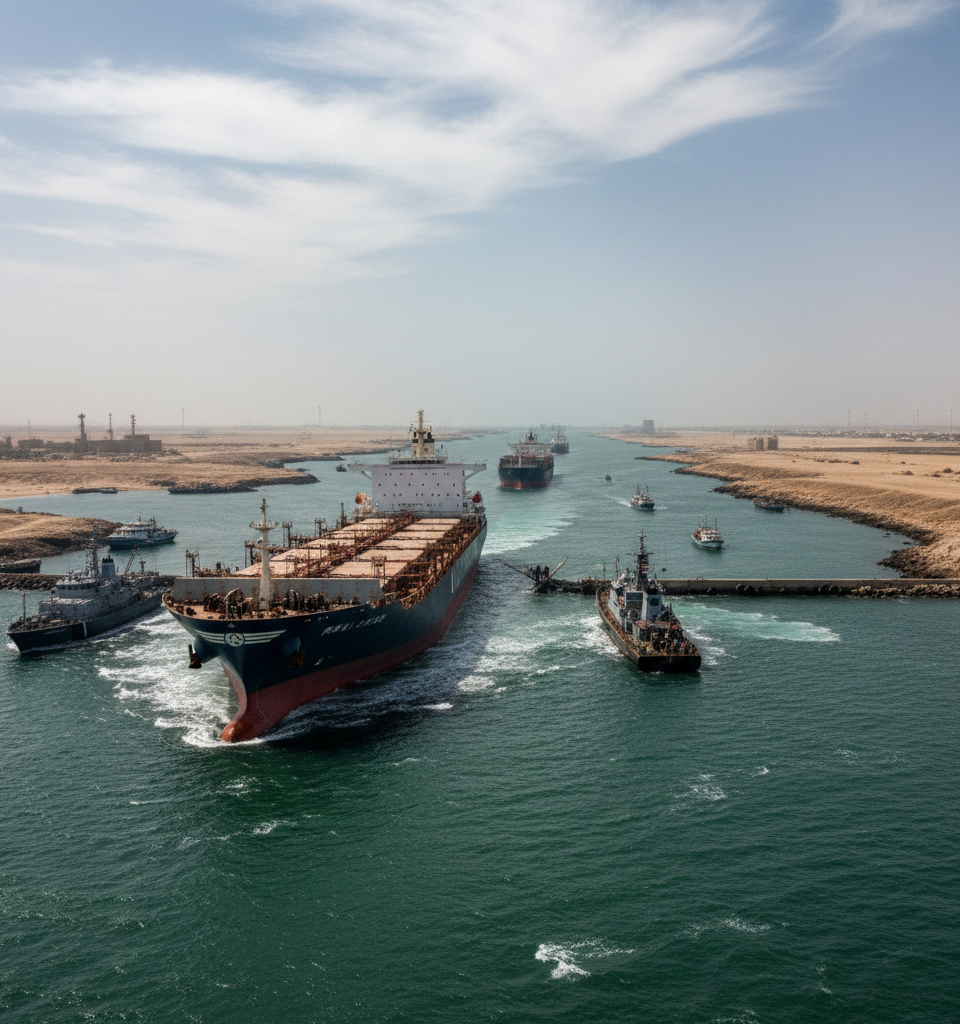
The vital Strait of Hormuz, a choke point for a significant portion of the world's oil supply, faces renewed uncertainty following an announcement by Iran's military that it intends to close the waterway. This declaration comes on the heels of a reported uptick in maritime traffic, with the U.S. military confirming that 55 ships had successfully traversed the strait just a day prior, on Saturday. The potential closure threatens to disrupt what had appeared to be a fragile and cautious resumption of shipping operations through the strategically important passage.
Historical Context and Geopolitical Significance
The Strait of Hormuz, a narrow waterway connecting the Persian Gulf with the Arabian Sea and the open ocean, is one of the world's most critical maritime chokepoints. Roughly one-fifth of the world's total petroleum consumption, and a substantial portion of global liquefied natural gas (LNG) shipments, passes through this strait. Previous threats and actual disruptions to transit in the strait have consistently led to spikes in global energy prices and heightened geopolitical tensions. Iran has periodically threatened or attempted to close the strait in response to international sanctions or perceived aggressions, utilizing its strategic geographical position as leverage.
Implications for Global Maritime Trade
The cessation or severe restriction of traffic through the Strait of Hormuz would have immediate and far-reaching consequences for global trade and energy markets. The brief period of increased activity, seeing 55 ships transit on Saturday, had offered a glimmer of hope for stability in the region. However, Iran's latest pronouncement could erase these gains, forcing shipping companies to either reroute vessels, incurring significant delays and increased costs, or halt shipments altogether. Such disruptions typically lead to higher insurance premiums for vessels operating in the region, further inflating the cost of goods.
Energy Market Volatility
The most immediate and pronounced impact of a Strait of Hormuz closure threat is typically felt in the energy sector. Oil prices are highly sensitive to any perceived instability in the Persian Gulf, given the region's vast crude oil reserves and its role as a primary exporter. A sustained closure would likely trigger a sharp increase in crude oil and natural gas prices globally, exacerbating inflationary pressures and potentially stifling global economic growth. This would create significant challenges for importing nations heavily reliant on Middle Eastern energy supplies.
International Response and Future Unpredictability
International bodies and major maritime powers routinely emphasize the importance of freedom of navigation through the Strait of Hormuz. Any closure by Iran would undoubtedly provoke strong condemnation and potentially lead to intensified diplomatic efforts to de-escalate the situation. The U.S. military's monitoring of traffic, as evidenced by their confirmation of Saturday's 55 transits, underscores the continuous international interest in maintaining unimpeded passage. The current situation highlights the persistent unpredictability surrounding one of the world's most vital maritime arteries, leaving the shipping industry and global markets bracing for potential fallout and further instability.
Looking Ahead
The coming days will be critical in assessing the true extent and duration of this newly announced threat. Stakeholders across the energy, shipping, and insurance industries will be closely monitoring developments, with contingency plans likely being reviewed and updated. The immediate concern remains the flow of essential goods and energy resources, and the broader implications for regional stability and international relations. The fluctuating passage rates, moving from a relative high of 55 ships to a potential halt, underscore the delicate geopolitical balance governing this crucial waterway.