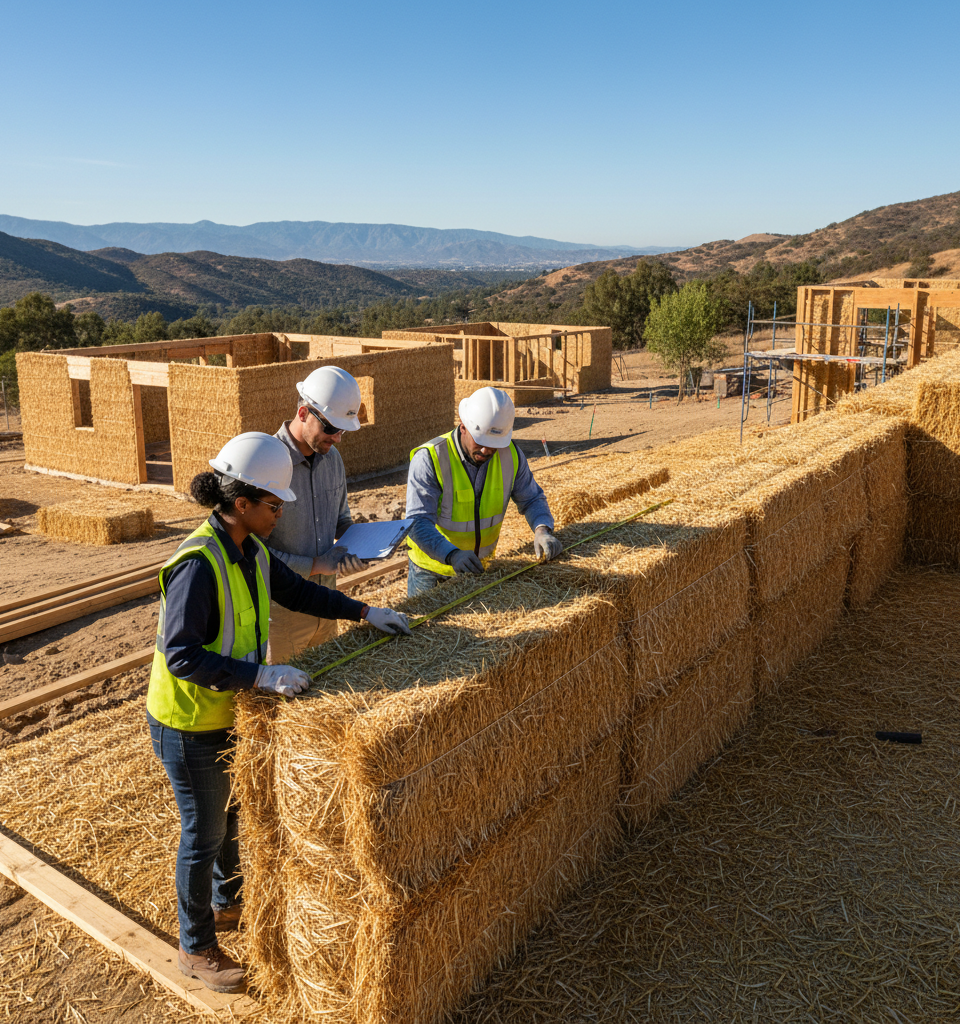
Sacramento, CA – Amidst California's persistent and escalating housing crisis, a novel yet centuries-old building technique is emerging as a potential solution for low-income communities. A California-based nonprofit organization is spearheading an initiative to construct homes using compressed straw bales, aiming to provide affordable and sustainable shelter across the state. This pioneering effort seeks to alleviate the severe shortage of accessible housing, particularly for vulnerable populations, while championing eco-conscious development practices.
The Genesis of an Ancient Solution
The idea of building with straw bales, a method dating back to the 19th century in the American prairies, is gaining renewed traction as California grapples with an affordability crisis that has driven median home prices to over $800,000. For decades, traditional construction methods have struggled to keep pace with demand, leaving millions without secure, affordable housing. The nonprofit's vision is rooted in leveraging the inherent properties of straw—its abundance, insulating qualities, and low cost—to create durable, energy-efficient, and aesthetically pleasing homes that are significantly cheaper to build and maintain than conventional structures.
Project Details and Economic Advantages
Initial pilot projects are slated to commence in rural and exurban areas, where land availability and regulatory hurdles may be less prohibitive. The nonprofit estimates that a typical 1,200 square-foot straw bale home can be constructed for approximately $150,000 to $200,000, representing a potential cost saving of 30-50% compared to traditional stick-built homes of similar size in many parts of California. These savings are primarily attributed to the lower material costs of straw—often an agricultural waste product—and reduced labor expenses due to the relative simplicity of straw bale construction. Furthermore, the thick straw walls offer exceptional insulation, leading to estimated energy bill reductions of 50-75% for future residents, a critical factor for low-income households struggling with living expenses.
Industry Implications and Regulatory Landscape
The widespread adoption of straw bale construction could have significant implications for the broader housing and construction industries. It challenges conventional building paradigms, potentially fostering greater innovation in sustainable materials and methods. However, widespread implementation faces hurdles, including securing comprehensive building code approvals across diverse California localities and overcoming public misconceptions about the safety and durability of straw structures. While straw bale construction is recognized in the International Residential Code, local interpretations and builder familiarity remain crucial factors. The nonprofit is actively engaging with state and local planning departments to streamline the permitting process and educate officials on the structural integrity and fire resistance of properly constructed straw bale homes.
Expert Perspectives on Sustainability and Feasibility
Building science experts and environmental advocates largely support the initiative, highlighting the ecological benefits. Dr. Elena Rodriguez, a professor of sustainable architecture at UC Berkeley, notes, "Straw is a rapidly renewable resource, sequesters carbon, and offers superior thermal performance, dramatically reducing a home's carbon footprint. This initiative is not just about affordability; it's about pioneering truly sustainable housing solutions." However, some experts caution about the need for rigorous quality control in construction to prevent moisture issues, which can compromise the integrity of straw bales. "Proper design, moisture barriers, and roof overhangs are paramount to ensure longevity and structural soundness," advises John Thompson, a veteran builder specializing in alternative materials.
The Road Ahead: Scaling Up and Overcoming Challenges
Looking forward, the nonprofit aims to scale its efforts significantly over the next five years, targeting the construction of several hundred affordable straw bale units across California. Key next steps include securing substantial philanthropic funding and government grants to subsidize initial project costs, developing a standardized construction blueprint that can be replicated efficiently, and establishing training programs for local construction workers in straw bale building techniques. Success will hinge on continued collaboration with local governments, the education of communities about the benefits of straw construction, and demonstrating the long-term viability and appeal of these unique homes as a tangible answer to California's housing dilemma.