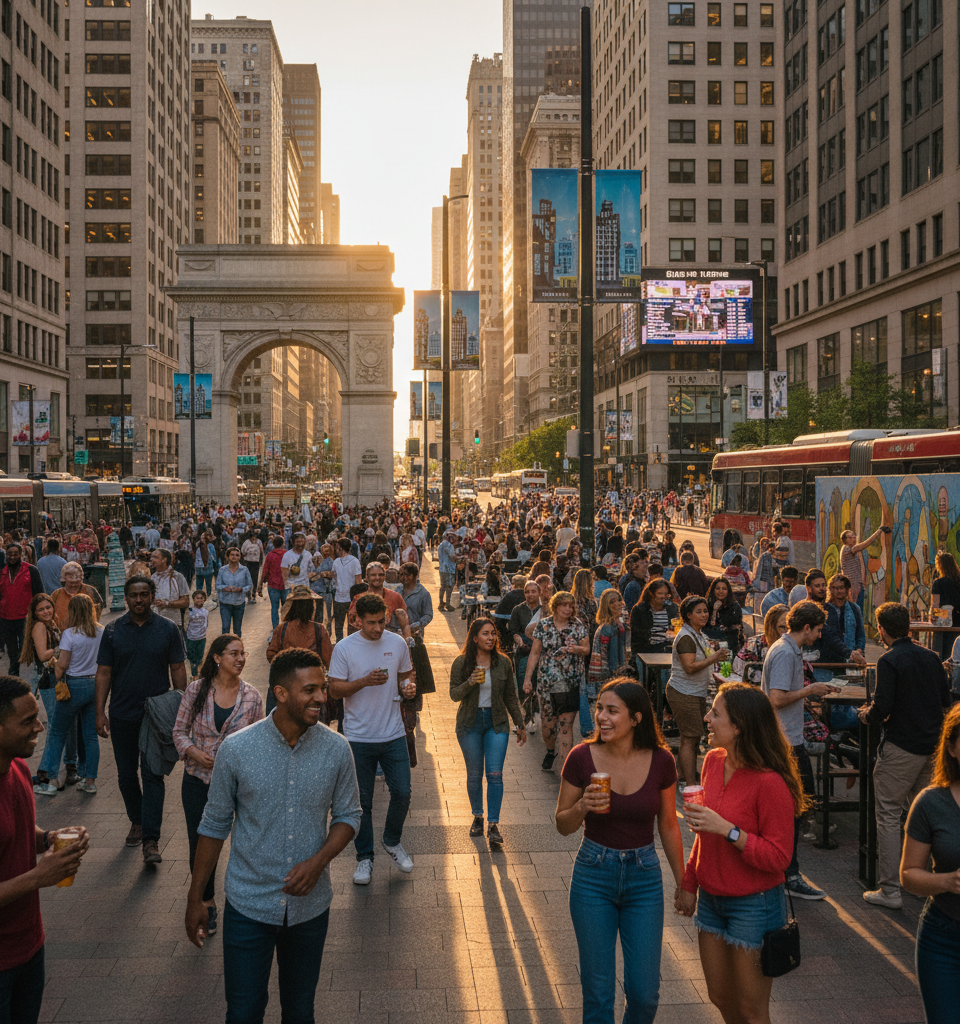
Across the United States, cities large and small are witnessing a significant uptick in urban activity this summer, fueled by a combination of high-profile events, bustling festivals, and the successful revival of public gathering spaces. This resurgence is providing urban leaders with a renewed sense of optimism, suggesting that the protracted pandemic-induced downturn, which profoundly impacted city centers, may at last be fading.
The Rebirth of Urban Centers
The narrative of urban decline, prevalent during and immediately after the COVID-19 pandemic, is rapidly being rewritten. Many downtown areas that once struggled with deserted streets and shuttered businesses are now experiencing a vibrant renewal. The return of significant crowd-drawing activities is crucial for the economic health of these cities, impacting everything from local retail and hospitality sectors to public transportation systems. The historical role of city centers as hubs of commerce, culture, and social interaction is being forcefully reasserted, marking a pivotal moment in their post-pandemic recovery.
Catalysts for Regeneration
Key among the drivers of this urban revitalization are major events such as the World Cup, which is drawing international attention and significant foot traffic to host cities. Beyond global spectacles, local festivals, concerts, and community gatherings are playing an equally vital role, filling parks, plazas, and pedestrian zones with residents and tourists alike. Furthermore, intentional efforts by municipal governments and urban planning committees to reactivate public spaces — through programming, infrastructure improvements, and enhanced amenities — have been instrumental in encouraging people to return and linger in downtown areas. These initiatives are transforming once-dormant spaces into dynamic centers of activity, fostering a sense of community and contributing to the overall urban experience.
Economic and Social Impact
The economic implications of this summer's urban revival are substantial. Increased pedestrian traffic directly translates to higher sales for restaurants, bars, retail shops, and entertainment venues, many of which faced existential threats during the pandemic. The hospitality sector, including hotels and ancillary services, is also seeing a robust recovery. Beyond monetary gains, the return of crowds signals a significant social benefit, restoring the vibrant, energetic atmosphere that defines successful urban living. This renewed social engagement is vital for community well-being and civic pride, reinforcing the appeal of city life.
Hope for the Future
Urban leaders and municipal policymakers are closely monitoring these trends, viewing the current summer as a crucial test of long-term recovery efforts. The sustained presence of large crowds provides tangible evidence that strategies implemented to combat pandemic-era challenges are yielding positive results. There is a palpable sense of hope that the momentum generated this summer can be maintained and built upon, leading to a sustained period of growth and stability for urban economies. This optimism is tempered with an understanding that continued investment in public safety, infrastructure, and diverse cultural programming will be essential to cement these gains.
Looking Ahead
As the summer progresses, the focus will shift towards understanding which elements of this comeback are most sustainable and how cities can adapt to evolving patterns of work and leisure. The success of large-scale events and the revitalization of public spaces offer a blueprint for future urban development and planning. Experts suggest that a hybrid urban model, blending traditional downtown functions with flexible work arrangements and enhanced live-work-play environments, may be the ultimate outcome. The current period is seen as a foundational step in redefining the contemporary urban experience, with cities aiming to build resilient, attractive centers that can withstand future disruptions and continue to draw people to their vibrant core.