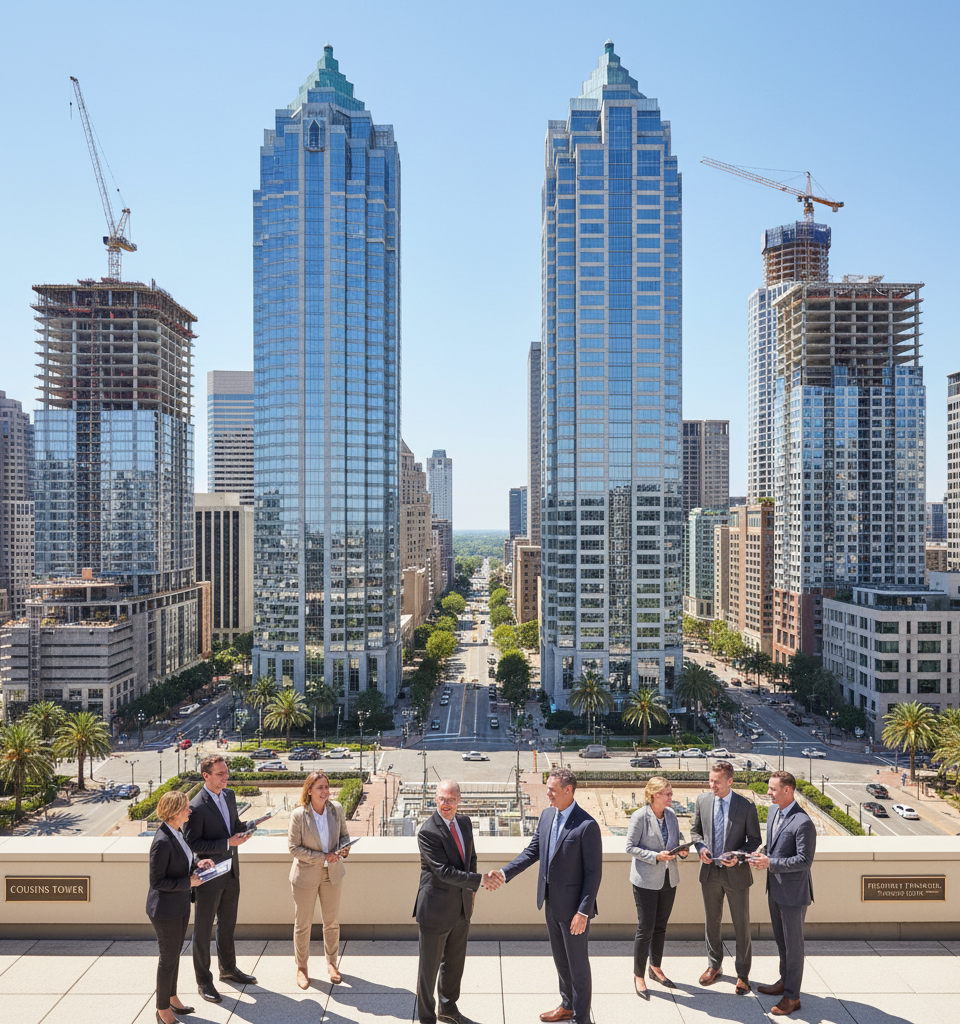
Leading office landlords in the Sun Belt are reporting a substantial rebound in demand, underscored by burgeoning corporate in-migration and a robust pipeline of potential lease deals. Cousins Properties, the largest office landlord in Metro Atlanta, recently disclosed it has over 1 million square feet (SF) actively under negotiation, indicating a strong appetite for premium office space across the region. This trend is not isolated to Atlanta, with other major players like Piedmont Office Realty Trust also highlighting increased activity and optimism in their Sun Belt portfolios, signaling a significant shift in market dynamics.
Contextualizing the Sun Belt's Appeal
The current surge represents a continuation of a long-term trend of businesses and populations migrating to the Sun Belt, a movement that temporarily slowed during the initial phases of the pandemic but has since accelerated. The region’s appeal is multifaceted, stemming from its lower cost of living and doing business, favorable tax environments, growing talent pools, and perceived higher quality of life. This sustained corporate relocation, encompassing both established giants and rapidly expanding tech firms, has consistently fueled office demand, transforming cities like Atlanta, Austin, Dallas, and Charlotte into burgeoning economic hubs. The enduring hybrid work model, rather than diminishing the need for office space, has instead shifted demand towards higher-quality, amenity-rich environments that foster collaboration and company culture.
Key Metrics and Market Insights
Cousins Properties' revelation of over 1 million SF in its leasing pipeline underscores the depth of current demand. Key executives have noted a particular interest in newer, Class A office buildings equipped with modern amenities and adaptable layouts. This trend aligns with broader industry data indicating that while overall office occupancy remains below pre-pandemic levels in some markets, flight-to-quality remains a dominant theme.
Piedmont Office Realty Trust, with a significant presence in Sun Belt markets, has also reported positive net absorption in several of its properties, citing increased touring activity and tenant expansions. Analysis of recent quarterly earnings calls from both firms highlights a sentiment of cautious optimism, with executives pointing to strengthening fundamentals and a decreasing sublease availability as positive indicators. The average asking rents for Class A office space in markets like Austin and Nashville have seen consistent upward pressure over the past year, reflecting this heightened demand.
Broader Industry and Economic Implications
This robust performance by Sun Belt office markets stands in contrast to the more protracted recovery seen in some gateway cities. The continued strength in the Sun Belt has significant implications for urban planning, infrastructure development, and local economies. Increased corporate presence translates to job creation, higher consumer spending, and a more diverse tax base for municipalities. It also spurs further investment in residential development, retail, and hospitality sectors, creating a ripple effect across the regional economy. Furthermore, the focus on new, high-quality builds suggests a lasting shift in tenant expectations, pushing developers to innovate and differentiate their offerings to attract and retain corporate clients. This trend could disadvantage older, less amenitized inventory, potentially leading to increased obsolescence in certain submarkets.
Expert Analysis and Outlook
Real estate analysts largely agree that the Sun Belt's positive trajectory is sustainable, albeit with a close eye on interest rate fluctuations and broader economic headwinds. "The Sun Belt continues to be a magnet for corporate relocation due to its favorable business climate and growing workforce," stated one anonymous commercial real estate analyst. "What we're seeing now isn't just pent-up demand but a fundamental re-evaluation of corporate footprints, where quality and strategic location are paramount." Experts also emphasize the demographic tailwinds, with a continuing inflow of residents contributing to a vibrant labor market. However, concerns remain about potential oversupply in certain micro-markets if development outpaces sustainable demand, though current indicators suggest a balanced approach to new construction.
Looking Ahead: Future Developments and Challenges
The trajectory for Sun Belt office markets appears positive, with further expansion and development anticipated in the coming years. Developers are closely monitoring the supply-demand balance, with an emphasis on mixed-use projects that integrate office, retail, and residential components to create vibrant, live-work-play environments. Upcoming projects are likely to prioritize sustainable building practices and advanced technological infrastructure to meet evolving tenant demands.
However, potential challenges include rising construction costs, labor shortages, and the long-term impact of inflation. Additionally, cities will need to continue adapting their infrastructure and public services to accommodate rapid growth, ensuring that the allure of the Sun Belt remains strong for both businesses and residents in the long run. The sustained activity in major pipelines suggests that this growth will continue to reshape urban landscapes for the foreseeable future.