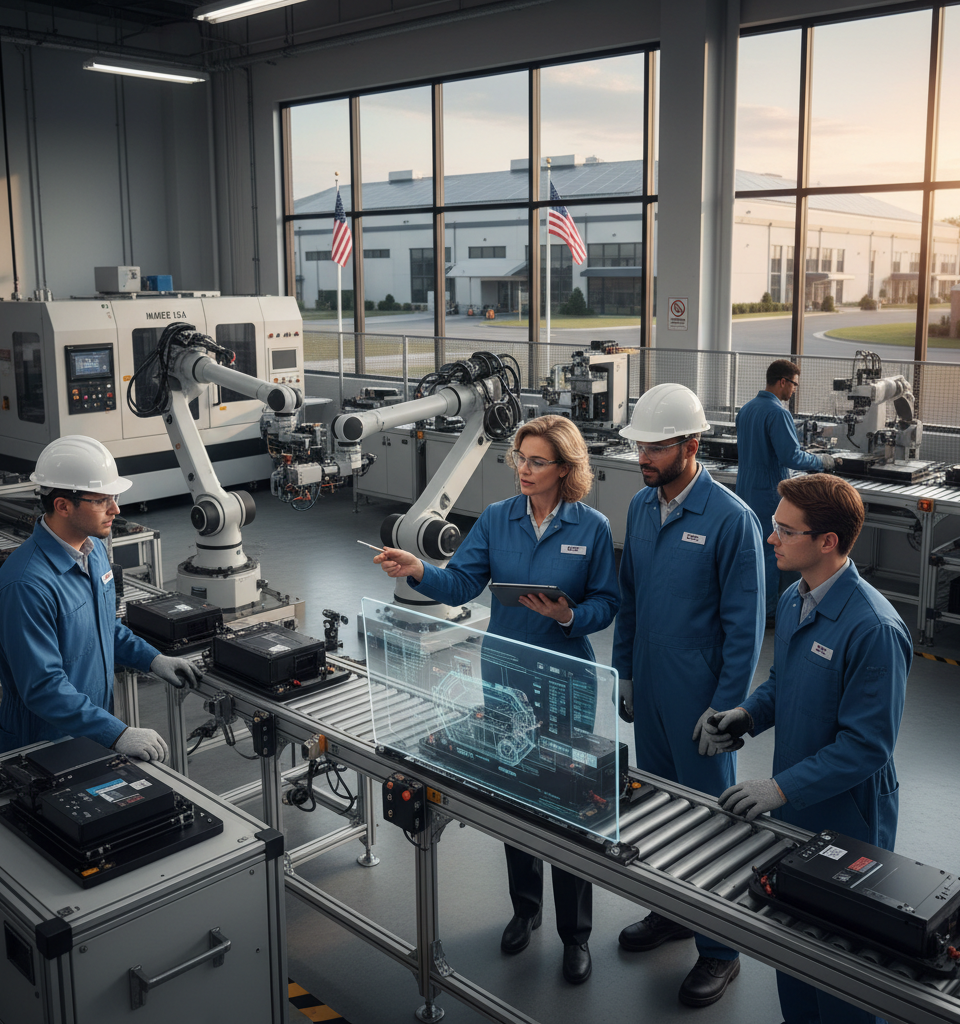
The Reshoring Movement Gains Momentum
After years of global supply chain disruptions, manufacturers across North America and Europe are accelerating efforts to bring production closer to home. The reshoring trend, which began as a response to pandemic-era shortages, has evolved into a strategic imperative for companies seeking long-term supply chain resilience.
Background and Drivers
The decision to reshore is driven by multiple factors converging simultaneously. Rising shipping costs, geopolitical tensions, and increasing automation have narrowed the cost gap between domestic and overseas production. Government incentives, including tax credits and infrastructure investments, have further sweetened the economics of domestic manufacturing.
Recent Developments
Key reshoring developments in 2026 include:
- Semiconductor Manufacturing: New fabrication plants in Arizona and Ohio are nearing completion, reducing dependence on Asian chip production
- Pharmaceutical Production: Critical drug manufacturing is returning to domestic facilities following regulatory mandates
- Automotive Components: Electric vehicle battery production is increasingly localized near assembly plants
- Consumer Electronics: Several major brands have announced plans to produce premium product lines domestically
Economic Impact
The Reshoring Initiative reports that over 350,000 manufacturing jobs have been announced through reshoring and foreign direct investment in the past 18 months alone. Communities near new manufacturing facilities are experiencing revitalization, with supporting industries and service businesses following the anchor manufacturers.
Challenges and Considerations
Despite the momentum, reshoring is not without challenges. Skilled labor shortages remain a significant hurdle, with manufacturers investing heavily in training programs and partnerships with technical colleges. The initial capital expenditure for new domestic facilities is substantial, though automation helps offset higher labor costs over time.
Future Outlook
Analysts expect the reshoring trend to continue accelerating through the decade, particularly in industries deemed critical to national security and economic stability. The combination of advancing automation, government policy support, and persistent global uncertainties makes a compelling case for domestic manufacturing expansion.