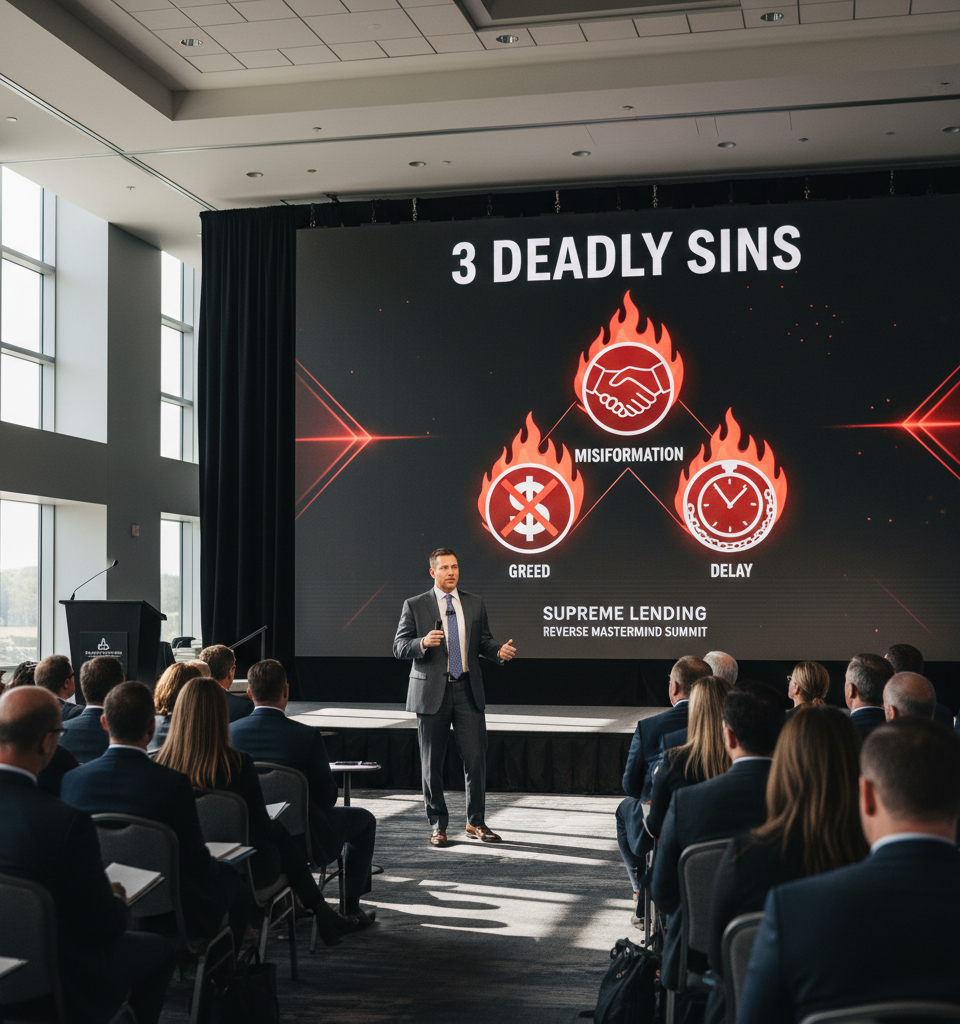
NASHVILLE, TN – John Luddy, the National Reverse Mortgage Director for Supreme Lending, recently delivered a sobering address at the Reverse Mastermind Summit in Tennessee, cautioning loan officers against what he termed the “three deadly sins” within the reverse mortgage industry. His remarks, aimed at both new professionals and those seeking to expand their existing reverse mortgage operations, underscored the critical importance of ethical practices, clear communication, and strategic market engagement to ensure sustained growth and consumer trust in a complex financial product.
The Evolving Landscape of Reverse Mortgages
Luddy's insights arrive at a pivotal moment for the reverse mortgage market, which has historically faced a mixed public perception but is increasingly vital for retirees seeking to leverage home equity. The sector, predominantly serving homeowners aged 62 and older, has seen fluctuations driven by interest rate changes, housing market dynamics, and evolving regulatory frameworks. Historically, negative connotations stemming from aggressive sales tactics or misinformation in the past have created a barrier to broader acceptance. Yet, as the Baby Boomer generation enters retirement age en masse, and with rising healthcare costs and stagnant pensions, reverse mortgages are gaining renewed attention as a legitimate financial planning tool, provided they are presented and executed responsibly.
Detailing the 'Deadly Sins'
While specific details of Luddy's “sins” were not explicitly reported, his general admonition points toward common industry missteps. These likely include (1) Misrepresenting the product: Failing to fully explain the nuances of a reverse mortgage, such as ongoing property taxes, insurance, and home maintenance obligations, or downplaying costs and interest accrual. (2) Lack of education and expertise: Loan officers entering the segment without a thorough understanding of the product's intricacies, eligibility requirements, or the unique financial situations of senior homeowners.
And (3) Transactional approach over consultative: Viewing reverse mortgages merely as sales rather than a comprehensive financial consultation, which can lead to inappropriate recommendations and erode borrower trust. Luddy's presentation emphasized that success in this niche demands a higher standard of professionalism and empathy, moving beyond mere product pushing to genuinely understanding and addressing clients' long-term financial needs.
Industry and Market Implications
Luddy’s message resonates deeply within the reverse mortgage industry, which has been striving to shed its past stigma and rebuild consumer confidence. For lenders like Supreme Lending, fostering a high standard of ethical conduct among their loan officers is not just good practice, but a strategic imperative. The industry saw a 7% increase in Home Equity Conversion Mortgage (HECM) endorsements last year, reflecting growing interest. However, this growth is fragile and highly susceptible to negative publicity or regulatory scrutiny stemming from agent misconduct. Compliance and ethical sales practices are now paramount for stakeholders across the board, from individual brokers to large lending institutions, to ensure the market can continue its trajectory of responsible growth.
Expert Commentary and Future Outlook
Industry analysts echoed Luddy's sentiments, emphasizing that a long-term, sustainable reverse mortgage market hinges on education and transparency. Sarah Jenkins, an independent financial advisor specializing in retirement planning, commented, “Luddy’s points are absolutely critical. The most successful loan officers in this space aren’t just selling a product; they’re providing a vital financial service built on trust. Any misstep can have a ripple effect, hurting not only individual clients but the industry’s collective reputation.” She highlighted the need for continuous professional development and robust internal compliance programs to safeguard against these 'sins.'
Looking ahead, the reverse mortgage segment is expected to continue its evolution. Increased regulatory oversight from bodies like the CFPB, coupled with a push for standardized educational materials for both loan officers and consumers, will likely shape its future. Innovations in product offerings, possibly including hybrid reverse mortgages or those with enhanced consumer protections, are also anticipated. Luddy’s timely warning serves as a powerful reminder that for the reverse mortgage sector to truly flourish and serve its intended purpose—empowering seniors to age comfortably in their homes—it must prioritize integrity, expertise, and a client-first approach above all else.