The sustained operation of critical national infrastructure, from financial networks to energy grids, depends on robust cybersecurity defenses. When fundamental utilities like water systems become targets, it signals an escalation in geopolitical tensions that can directly impact business continuity, public health, and investor confidence in digital resilience. Companies globally, particularly those with essential services or extensive digital footprints, must view such events not as isolated incidents but as harbingers of advanced persistent threats that demand proactive investment and strategic contingency planning.
Water systems across seven U.S. states have reportedly fallen victim to a series of cyberattacks, raising significant alarms regarding the nation's critical infrastructure security. Preliminary assessments by cybersecurity experts and federal agencies suggest a potential link to Iranian state-sponsored actors, indicating a sophisticated and possibly coordinated campaign against essential public services.
Context and Growing Vulnerability
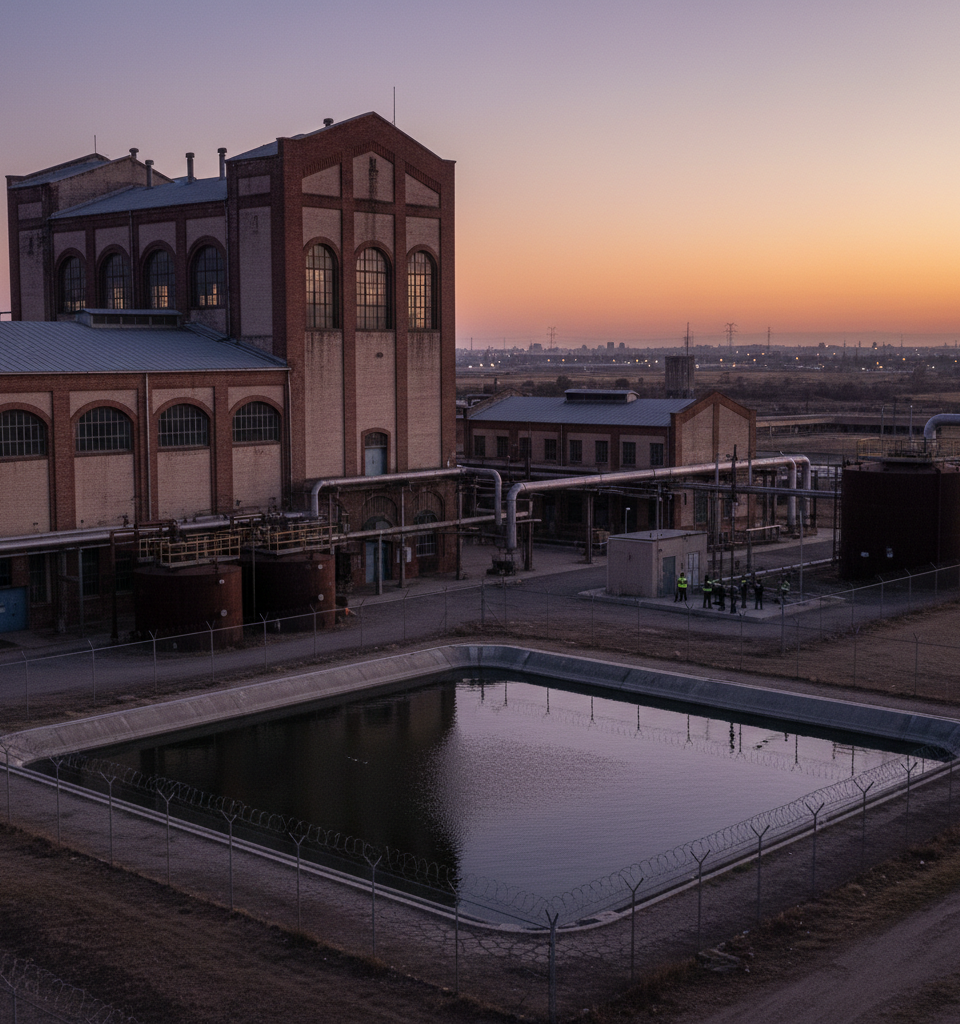
These attacks highlight a persistent and growing concern among government officials and cybersecurity experts regarding the vulnerability of critical infrastructure. Water treatment plants, often relying on legacy operational technology (OT) systems and interconnected information technology (IT) networks, present an attractive target for malicious actors seeking to disrupt daily life, sow discord, or exert geopolitical pressure. The reported incidents are not isolated but rather underscore an evolving landscape where state-sponsored groups are increasingly targeting civilian infrastructure as a form of hybrid warfare.
Key Details and Potential Attribution
The specific nature of the compromises, including whether data was exfiltrated, systems were disrupted, or operational controls were manipulated, has not been fully disclosed. However, the preliminary assessment attributing the attacks to Iranian state-sponsored actors points to a sophisticated level of organization and resources. This attribution is based on forensic evidence, tactics, techniques, and procedures (TTPs) observed, which align with known Iranian cyber-espionage and disruptive campaigns. Such attacks often leverage a combination of social engineering, exploiting unpatched vulnerabilities, and supply chain compromises to gain access to sensitive networks. The fact that seven distinct states have been affected suggests either a widespread campaign or multiple opportunistic attacks using similar methodologies.
Industry and Market Impact
The implications for the broader infrastructure sector are profound. Companies managing utilities, energy grids, transportation networks, and communication systems are now facing intensified pressure to audit their defenses, update obsolete systems, and implement more rigorous cybersecurity protocols. The reported attacks could lead to increased regulatory scrutiny and demands for greater transparency from private operators of public services. Furthermore, insurers are likely to reassess cyber insurance policies and premiums for critical infrastructure entities, reflecting the heightened risk profile. This could translate into higher operational costs and compel greater investment in defensive measures across the board.
Expert Perspective
While no specific expert quotes were provided in the initial reports, cybersecurity analysts would likely emphasize the dual challenge posed by such incidents: the technical difficulty of securing complex OT/IT environments and the geopolitical complexities of attributing and responding to state-sponsored attacks. Experts consistently warn that many critical infrastructure systems were not designed with modern cybersecurity threats in mind, making them inherently vulnerable. The potential link to Iran underscores the ongoing cyber skirmishes between nations and the risk of escalation in the digital domain. Analysts would also stress the need for enhanced intelligence sharing between government agencies and private sector operators to create a more resilient defensive posture.
What’s Next: Response and Future Implications
Federal agencies, including the Cybersecurity and Infrastructure Security Agency (CISA) and the FBI, are expected to intensify their investigations, working closely with state and local authorities to assess the full extent of the damage and identify specific vulnerabilities exploited. S. government will likely weigh various response options, ranging from diplomatic condemnation to further sanctions or even retaliatory cyber operations, depending on the confirmed attribution and the impact of the attacks.
For the affected states, immediate priorities will include remediation, hardening their systems, and communicating with the public regarding any potential service disruptions or safety concerns. In the long term, these incidents will undoubtedly fuel ongoing debates in Congress regarding federal funding for critical infrastructure cybersecurity and the need for new legislation to mandate stronger security standards across vital sectors.