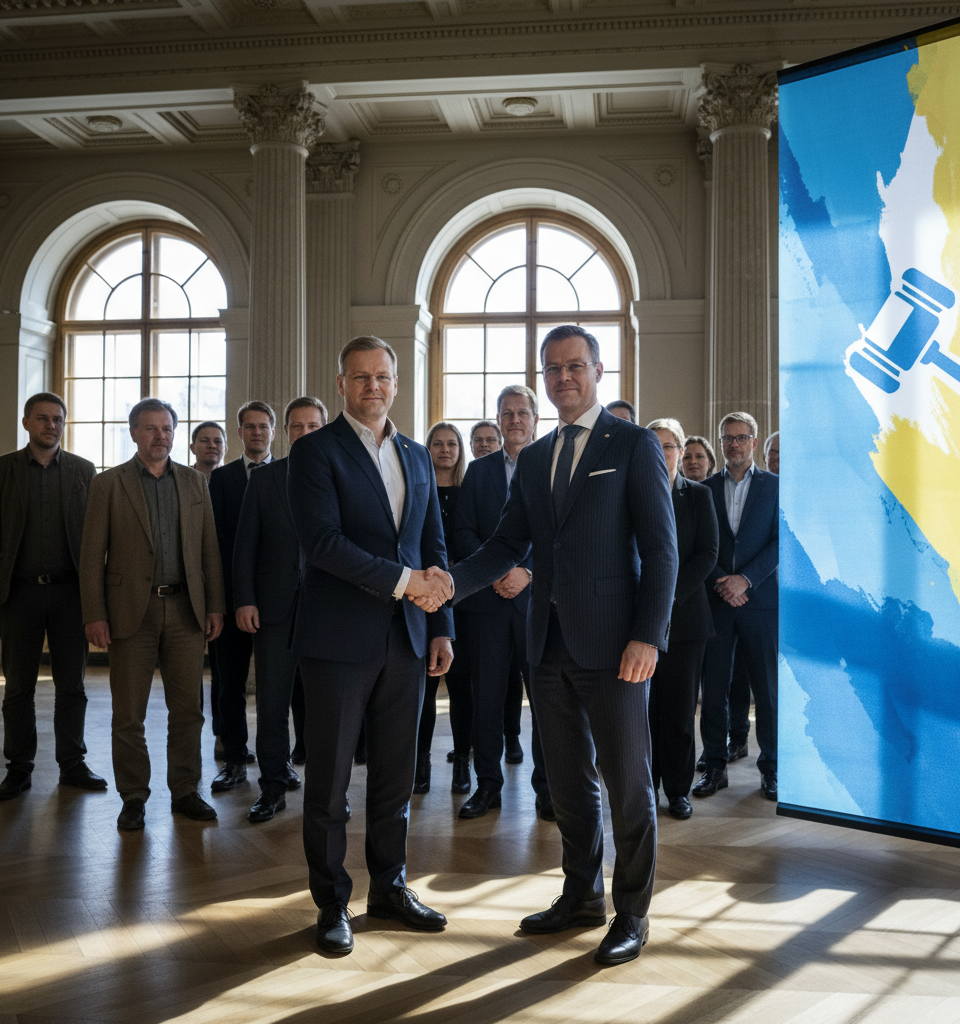
The Sweden Democrats, a party long relegated to the fringes of Swedish politics, have completed a remarkable ascent, transitioning from a political pariah to a central power broker within the nation's government. This transformation marks a pivotal moment in Swedish political history, reflecting a broader shift in the country's political landscape and mainstream acceptance of previously ostracized ideologies.
Historical Context and Initial Exclusion
For decades, the Sweden Democrats were anathema to Sweden's established political parties. Their roots in white nationalism and anti-immigration rhetoric led to a steadfast cordon sanitaire, where all major parties refused to cooperate with them, effectively isolating them from any governmental influence. This political ostracization was a defining feature of Swedish democracy, symbolizing a collective rejection of the party’s platform and past. The party’s steady increase in electoral support, however, began to challenge this long-standing convention, forcing other parties to reconsider their approach amidst declining traditional party loyalties.
The Path to Influence
While the specific details of their entry into government, such as coalition agreements or ministerial appointments, are not fully elaborated in the initial description, the designation of being "at the heart of government" indicates a profound level of integration and influence. This suggests a strategic shift by other parties, likely driven by electoral necessity and the Sweden Democrats’ consistent ability to draw a significant portion of the electorate. Their rise underscores the evolving political dynamics in Sweden, where traditional alliances have fractured, and new forms of cooperation, however uncomfortable for some, have become pragmatic necessities.
Broader Societal Impact
This dramatic shift has substantial implications for Swedish society and policy. The Sweden Democrats’ foundational platform often includes stringent immigration policies, increased law and order measures, and a re-evaluation of Sweden’s integration efforts. Their newfound influence could lead to significant changes in these areas, potentially reshaping Sweden's long-held liberal and inclusive identity. The mainstreaming of a party with such a history also raises questions about democratic norms and the boundaries of political acceptability in an increasingly fragmented political environment.
International Repercussions
The development in Sweden resonates beyond its borders, offering another example of a populist, far-right party achieving governmental power in Europe. This trend has been observed in several other European nations, contributing to a broader narrative of shifting political allegiances and the rise of nationalist sentiments across the continent. International observers and political analysts will be closely monitoring Sweden's trajectory, seeking to understand the long-term effects of this political realignment on its domestic policies, international relations, and its role within the European Union.
Future Implications
Looking ahead, the longevity and stability of this new political arrangement will be a key focus. The ongoing challenge for the Sweden Democrats will be to navigate the complexities of governance while maintaining their voter base and perhaps softening some of their more extreme positions to secure broader support. Simultaneously, the other parties involved will face the task of managing public perception and internal dissent, grappling with the consequences of breaking a long-standing political taboo. The coming years will be crucial in determining the ultimate impact of the Sweden Democrats' journey from pariah to powerbroker on the fabric of Swedish democracy and its place on the global stage.