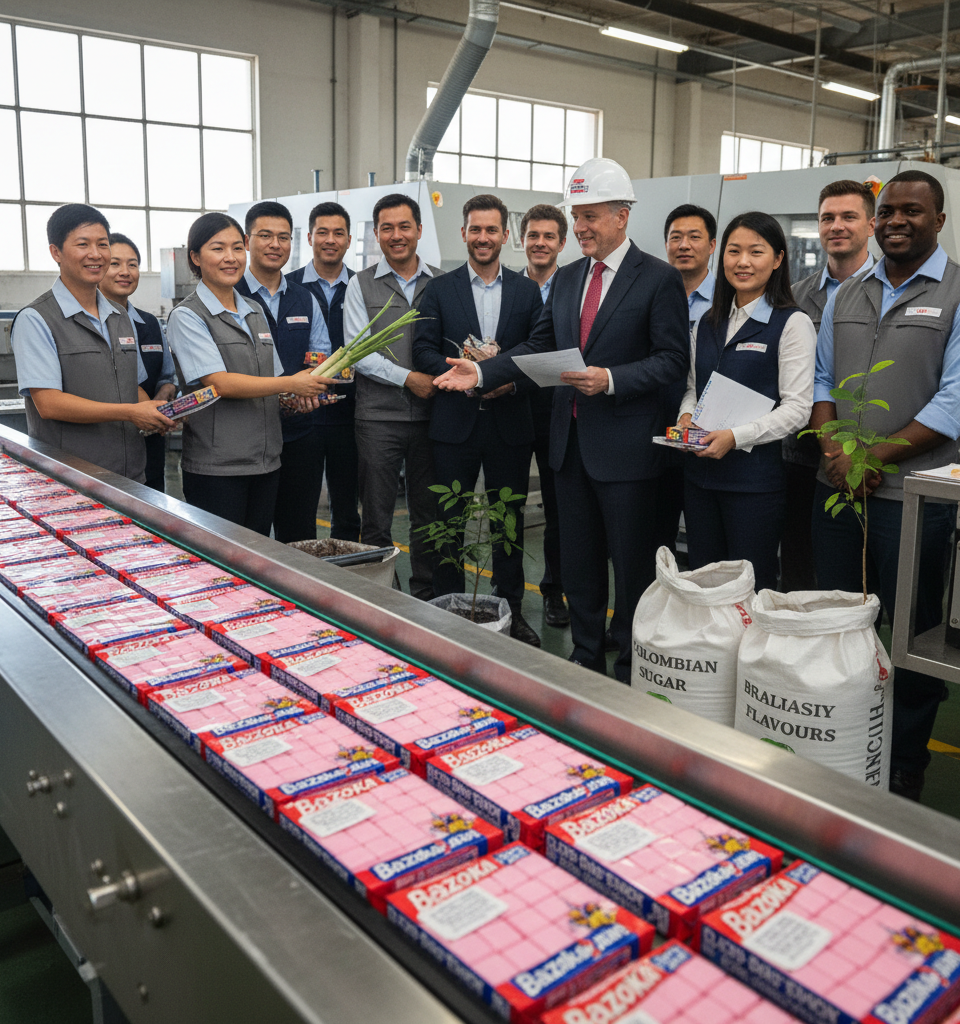
In a strategic pivot necessitated by escalating global trade tensions and tariffs, The Bazooka Companies Inc., the iconic gum and candy manufacturer, recently recalibrated its long-standing supplier engagement model. This significant shift, which began in late 2018 under the leadership of then-Chief Procurement Officer Paul Laccitiello, saw the company move away from aggressive cost-cutting measures towards a more collaborative, empathy-driven partnership approach with its vendors. The transformation aimed to mitigate the financial impact of tariffs while ensuring supply chain resilience and product quality.
The Unavoidable Impact of Tariffs
The previous decades had seen Bazooka, much like many large manufacturers, prioritize a "volume-for-price" strategy, leveraging its significant purchasing power to secure the lowest possible unit costs. This approach, while effective in stable economic environments, proved fragile when confronted with the unforeseen imposition of tariffs, particularly those enacted by the U.S. government on goods from China and other regions. The company, which produces beloved brands like Bazooka Bubble Gum, Ring Pop, and Push Pop, relies heavily on a complex global supply chain for ingredients, packaging, and manufacturing components. The sudden increases in input costs due to tariffs threatened to erode profit margins and potentially force price increases on consumers.
A Four-Pillar Collaborative Approach
Recognizing that its traditional strong-arm tactics would only alienate suppliers and destabilize its supply chain, Bazooka implemented a four-pronged strategy centered on shared understanding and mutual benefit. First, the company committed to open communication and transparency regarding the tariff impacts, providing suppliers with detailed insights into how these external factors were affecting Bazooka's costs and, consequently, their shared economic landscape. Second, it moved towards mutual burden-sharing, rather than unilaterally demanding that suppliers absorb all tariff-related costs.
This involved negotiating revised pricing structures where both parties bore a portion of the increased expenses. Third, Bazooka actively engaged in strategic sourcing diversification, exploring alternative suppliers in unaffected regions or developing new domestic capabilities to reduce reliance on tariff-laden imports. Finally, the company prioritized long-term partnership stability over short-term gains, investing in relationships built on trust and a shared vision for navigating future uncertainties.
Industry Repercussions and Broader Trends
Bazooka's proactive shift mirrors a growing trend among multinational corporations grappling with geopolitical instability and supply chain vulnerabilities. The move away from purely transactional buyer-supplier relationships toward more integrated, collaborative ecosystems is becoming a necessity rather than a luxury. According to a recent report by the Institute for Supply Management (ISM), over 60% of surveyed procurement professionals indicated that geopolitical risks significantly impacted their supply chains in the past two years, leading many to reassess their sourcing and supplier strategies. Companies like Bazooka are demonstrating that prioritizing supplier health can lead to greater resilience and innovation in the long run.
Expert Insights on Supply Chain Transformation
Supply chain analysts view Bazooka's transformation as a pragmatic and forward-thinking response to a new era of global trade. Dr. Evelyn Reed, a leading expert in supply chain management at a prominent business school, commented, "Bazooka's strategy highlights a critical evolution in procurement. In today's volatile environment, treating suppliers as mere cost centers is a recipe for disaster. True resilience comes from deep collaboration, data sharing, and a willingness to share both the risks and rewards. This move not only fortifies their supply chain but also builds a competitive advantage rooted in stronger vendor relationships." She added that such empathy-driven approaches often lead to better quality, more innovation, and greater flexibility from suppliers.
The Path Forward: Sustaining Resilience
Looking ahead, Bazooka aims to embed these collaborative principles deeper into its organizational culture and expand them across its entire procurement portfolio. The company continues to monitor global trade policies and economic indicators closely, ready to adapt its sourcing strategies as needed. This proactive stance, combining strategic diversification with enhanced supplier partnerships, positions Bazooka not just to weather future economic storms but potentially to emerge stronger. The lessons learned from the tariff challenges have fundamentally reshaped the company's operational philosophy, signaling a permanent shift towards a more resilient, relationship-centric supply chain model for the candy giant.