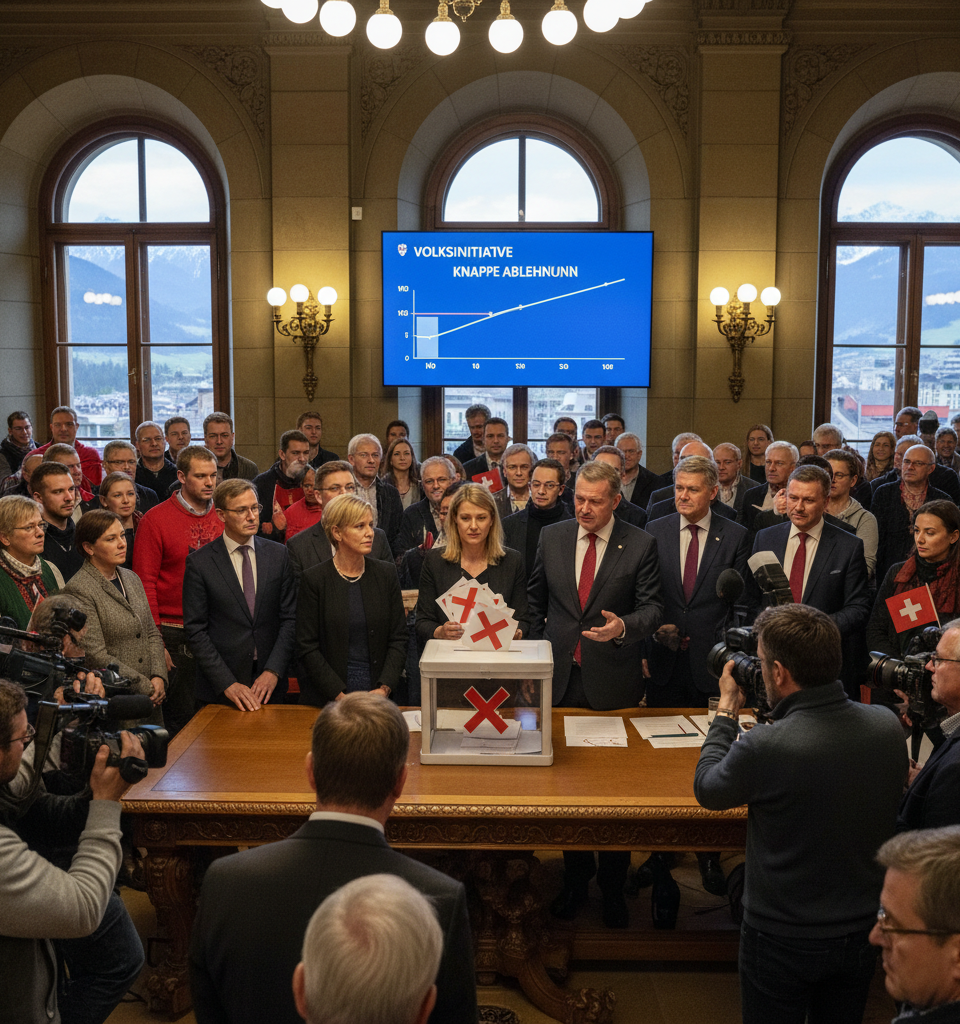
In a closely watched national referendum, Swiss voters have narrowly rejected a proposed initiative that aimed to impose a strict cap on the country's population, limiting it to 10 million residents. The outcome, announced today, represents a significant moment for Switzerland's political landscape, particularly concerning its immigration policies and future demographic growth.
The initiative, championed primarily by right-wing political parties, had sparked intense debate across the nation, touching upon foundational questions of national identity, economic vitality, and environmental sustainability. Proponents argued that a population cap was essential to preserve Switzerland's natural resources, alleviate pressure on infrastructure, and maintain its unique cultural character. They often pointed to concerns about urban sprawl and increasing competition for housing and services.
Context of the Vote
The vote comes amidst growing discussions in many European nations regarding immigration levels and their societal impacts. Switzerland, with its traditionally high quality of life and robust economy, has long been an attractive destination for foreign workers and residents. The country's population has steadily grown over recent decades, fueled by immigration, leading to periodic calls for stricter controls. This most recent initiative was the culmination of sustained efforts by conservative groups to codify such limitations into law, reflecting a broader sentiment among a segment of the electorate regarding perceived overpopulation.
Key Proposals and Arguments
Had it passed, the initiative would have mandated that Switzerland's population not exceed 10 million. This ceiling would have necessitated significant changes to existing immigration frameworks, potentially leading to much tighter controls on who could enter and reside in the country. Opponents of the measure, including many centrist and left-leaning parties, as well as business organizations, vehemently argued that such a cap would severely harm the Swiss economy by creating labor shortages, especially in critical sectors like healthcare, technology, and specialized manufacturing. They also contended that it would damage Switzerland's international reputation and its ability to attract vital talent.
Economic and Societal Impact
Economically, the rejection of the cap is expected to maintain the status quo, allowing businesses to continue recruiting foreign talent as needed, albeit within existing regulatory frameworks. Had the cap been approved, economists had warned of potential economic contraction, reduced innovation, and a strain on industries reliant on skilled foreign labor. Societally, the debate underscored deep divisions within Switzerland concerning its future direction – balancing tradition and openness, local concerns with global integration. The narrow margin of the vote itself highlights the significant support the cap garnered, signaling that the underlying concerns of its proponents are not to be dismissed.
Future Implications
The outcome, while rejecting a hard cap, does not necessarily end the conversation surrounding population growth and immigration in Switzerland. It is highly probable that discussions and political initiatives aimed at managing and regulating population trends will continue. Right-wing parties might seek alternative legislative avenues or propose different forms of immigration control in the future, albeit perhaps less stringent than the recently rejected cap. The focus may shift towards more nuanced policies that address infrastructure development, housing, and social integration challenges, rather than an outright population limit. The narrowness of the defeat also suggests that political factions advocating for more controlled growth will likely remain a strong force in national politics, ensuring that these issues remain on the national agenda for the foreseeable future.