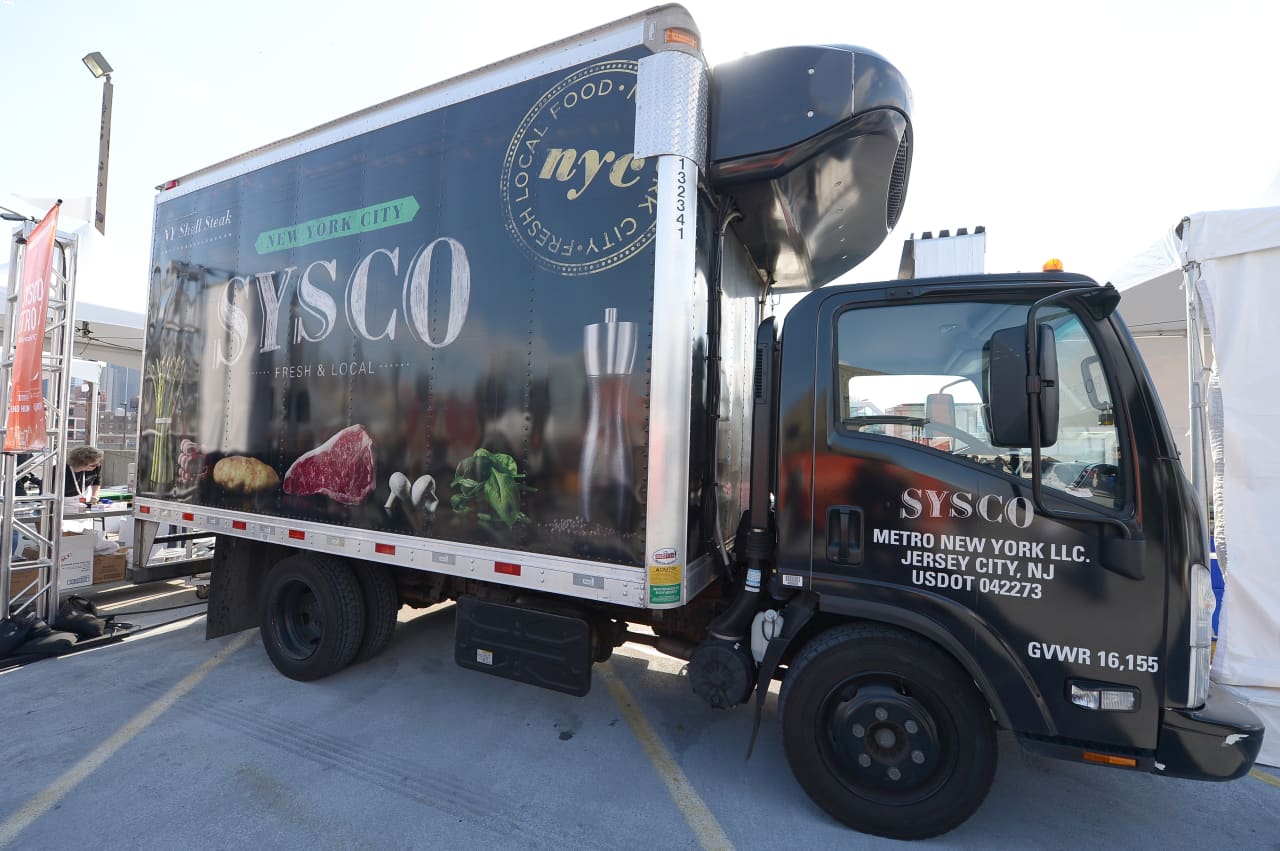
**HOUSTON, TX – ** – In a move set to profoundly reshape the U.S. food distribution landscape, Sysco Corporation (NYSE: SYY) today unveiled a definitive agreement to acquire Jetro Restaurant Depot, a leading wholesale cash-and-carry food service provider, in a deal valued at approximately $29.1 billion. The acquisition, comprising both cash and stock components, marks a significant strategic diversification for Sysco, traditionally known for its delivered food service model. The announcement, however, was met with a negative reaction from the market, with Sysco's stock experiencing a noticeable downturn following the news, reflecting investor concerns over the deal's size and integration challenges.
This colossal acquisition is more than just an expansion; it's a strategic embrace of the burgeoning cash-and-carry segment, a market characterized by its appeal to smaller, independent restaurants, caterers, and delis. These businesses often prefer the flexibility and often lower prices of direct-purchase, self-service warehouses over traditional delivered services. Sysco's existing business model, while dominant, faces increasing pressure from a fragmented and evolving industry. By integrating Jetro Restaurant Depot's extensive network and established customer base, Sysco aims to tap into new revenue streams and fortify its position against competitors, including direct-to-consumer suppliers and other wholesale giants.
The $29.1 billion transaction breaks down into a mix of cash and Sysco common stock. While specific percentages were not immediately disclosed, the substantial stock component indicates belief in the long-term value creation potential for Sysco shareholders. Jetro Restaurant Depot operates over 150 warehouse stores across the United States, serving a diverse clientele that values its wide array of products, competitive pricing, and immediate availability. Sysco anticipates the acquisition will generate significant synergies, including procurement efficiencies, optimized logistics, and cross-selling opportunities across both customer bases. The deal is subject to customary closing conditions and regulatory approvals, with an expected closing in early [Next Calendar Year, e.g., 2025].
This acquisition sends ripples across the entire food service distribution industry. Competitors such as US Foods, Performance Food Group, and numerous regional distributors will undoubtedly re-evaluate their strategies. The combined entity will create an even more formidable player, potentially altering pricing structures, supply chain dynamics, and market access for independent operators. For the restaurant industry, particularly the independent sector, this could mean increased options, but also potential concerns about market consolidation and its long-term effects on competition and supplier diversity. Smaller distributors, in particular, may find themselves under heightened pressure to innovate or specialize.
Industry analysts have offered a mixed reception. While some view the move as a bold and necessary step for Sysco to diversify its offerings and capture a growing market segment, others express concerns regarding the hefty price tag and the complexities of integrating two fundamentally different business models. "This is an ambitious play by Sysco, but the valuation is certainly raising eyebrows," commented [Analyst Name/Firm], a leading food service industry analyst. "While the strategic rationale for targeting the cash-and-carry segment is sound, successful integration will be paramount to realizing projected synergies and justifying the premium paid. Sysco has a strong track record, but bringing on a company of this size and distinct operational culture will be a significant undertaking." Concerns also circulate around potential anti-trust scrutiny given the scale of the combined operation.
Looking ahead, the successful integration of Jetro Restaurant Depot into Sysco's operations will be a critical determinant of the deal's ultimate success. Sysco management has indicated plans for a phased integration approach, focusing initially on leveraging procurement synergies and optimizing supply chain capabilities while maintaining the distinct operational identity and customer-centric approach of Restaurant Depot. The company will need to reassure investors about its ability to maintain profit margins across both business units and demonstrate clear pathways to shareholder value creation. Furthermore, the regulatory landscape will be closely monitored, with potential for extended review periods given the consolidation in a critical sector.
Sysco's leadership is optimistic about the long-term prospects, citing the opportunity to serve a broader spectrum of food service establishments and capitalize on evolving purchasing behaviors. The company projects improved top-line growth and enhanced profitability as a result of the acquisition. As the industry watches closely, Sysco’s foray into the cash-and-carry model with such a significant investment signals a new era for the food service giant and a potential redefinition of the entire sector's competitive dynamics in the years to come.
Sysco's Strategic Rationale: Diversifying Revenue and Customer Base
Sysco's rationale behind this monumental acquisition extends beyond sheer scale. The traditional delivered food service model, while robust, faces challenges from evolving customer preferences, particularly among independent operators seeking cost efficiencies and immediate product access. The cash-and-carry model, perfected by Jetro Restaurant Depot, caters to this demographic by offering a warehouse-style shopping experience with competitive pricing and no delivery fees. By acquiring Restaurant Depot, Sysco gains direct access to this customer segment, which often operates on tighter margins and values the flexibility of self-service purchasing. This move allows Sysco to offer a more comprehensive suite of solutions, catering to a wider array of operational needs and significantly expanding its total addressable market. The acquisition is also a defensive play, ensuring Sysco remains competitive against a backdrop of increasing fragmentation and specialized distributors.
Financial Implications and Investor Reaction
The immediate financial aftermath saw Sysco's stock price dip, reflecting investor apprehension. While the long-term strategic benefits are clear, the $29.1 billion valuation raises questions about the accretion to earnings and the debt burden Sysco may incur. Analysts are scrutinizing the projected synergies, which Sysco predicts will be substantial through integrated procurement, shared logistics, and reduced operational redundancies. The performance of Sysco's stock in the coming quarters will be heavily influenced by the company's ability to articulate a clear integration roadmap, demonstrate solid financial management, and prove the accretive nature of the acquisition to its earnings per share. The market will also be watching for any revisions to Sysco’s guidance following the closing of the deal, as the financial impact of such a large transaction will significantly alter its balance sheet and income statement.