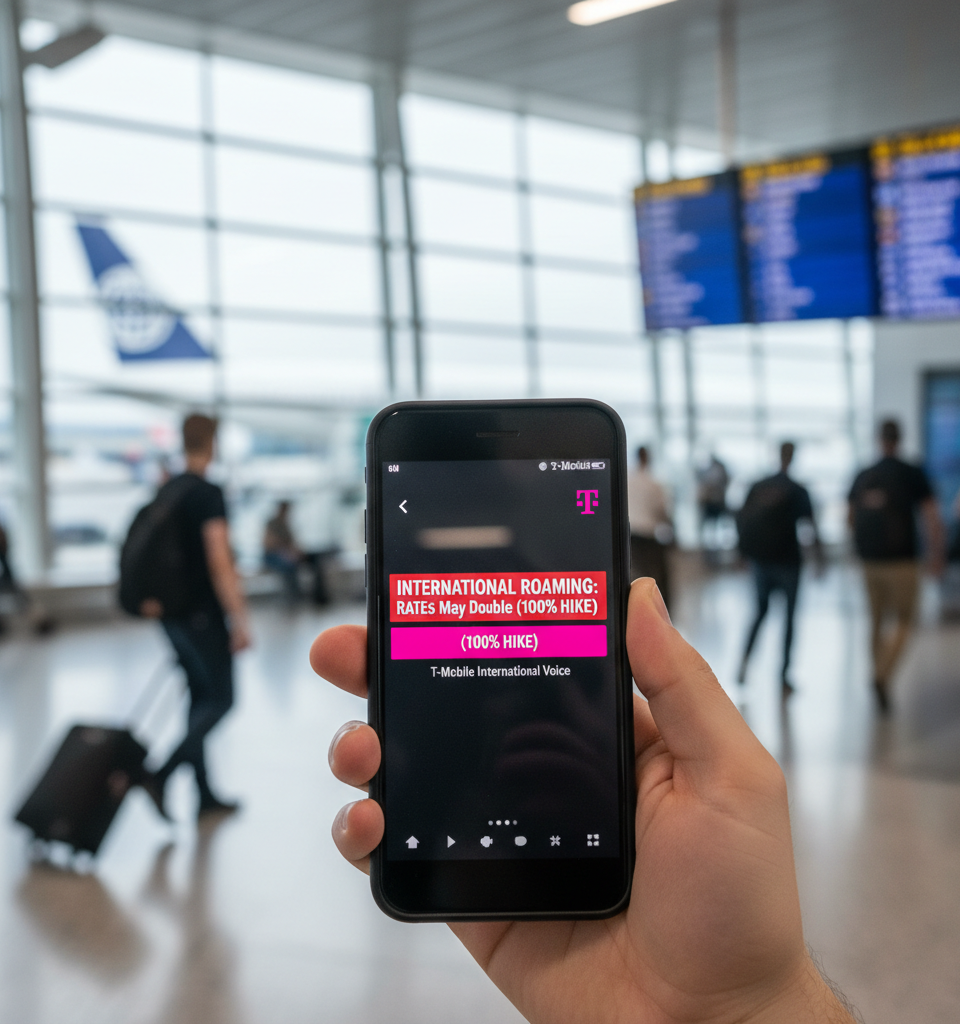
T-Mobile is reportedly poised to implement a substantial increase in its international voice roaming pricing, with per-minute call rates for customers traveling abroad potentially jumping by as much as 100%. This impending change could significantly impact the budgets of T-Mobile subscribers who rely on their mobile devices for communication while outside their home network.
The potential rate hike arrives amidst a competitive landscape where mobile carriers frequently adjust their international roaming offerings to balance service provision costs with customer experience. Historically, international roaming charges have been a complex and often unpredictable aspect of mobile service, with carriers periodically reviewing and modifying their pricing structures to reflect operational expenses and market dynamics. For T-Mobile, known for some of its inclusive international benefits for certain plans, this move could mark a shift in its approach to voice services overseas.
While specific details regarding the exact date of implementation and the full scope of affected plans remain under wraps, reports suggest the increase is imminent. The purported 100% increase would mean a doubling of current per-minute rates, which could translate into considerably higher bills for travelers making or receiving calls internationally. This development underscores the importance for T-Mobile international travelers to scrutinize their plan details and understand potential new costs.
This adjustment could have broader implications across the telecommunications industry, potentially prompting other carriers to re-evaluate their own international roaming pricing strategies. In a market where perceived value often sways customer loyalty, any significant alteration in cost can influence consumer choices. For T-Mobile, balancing competitive pricing with the need to maintain profitability in its international operations is a constant challenge, particularly given the infrastructure and agreements required to facilitate global connectivity.
Telecom analysts are likely to be closely observing the market's reaction to T-Mobile's reported move. Such a significant rate adjustment, while potentially bolstering the company's revenue from international voice services, could also lead to customer pushback or a shift towards alternative communication methods, such as Wi-Fi-based calling apps. The impact on customer satisfaction and churn rates will be a critical metric to watch in the wake of any official announcement.
Looking ahead, T-Mobile customers who frequently travel abroad are advised to monitor official communications from the company for definitive details on the updated pricing. Understanding the new rate structure will be crucial for managing expenses and potentially exploring alternatives like local SIM cards or dedicated international roaming packages, should the anticipated 100% increase come to fruition. This situation highlights the evolving nature of international mobile communication costs and the continuous need for consumers to stay informed about their service provider's policies.
The potential rate revision comes at a time when global travel is experiencing a resurgence, making international connectivity more relevant than ever for a broad segment of the population. T-Mobile’s strategy might reflect an effort to optimize revenue streams from a service that, while essential for some, might be less utilized for others who prefer data-driven communication methods. The unfolding situation will offer a clear indicator of how a major carrier intends to navigate the economics of global voice roaming in the coming years.