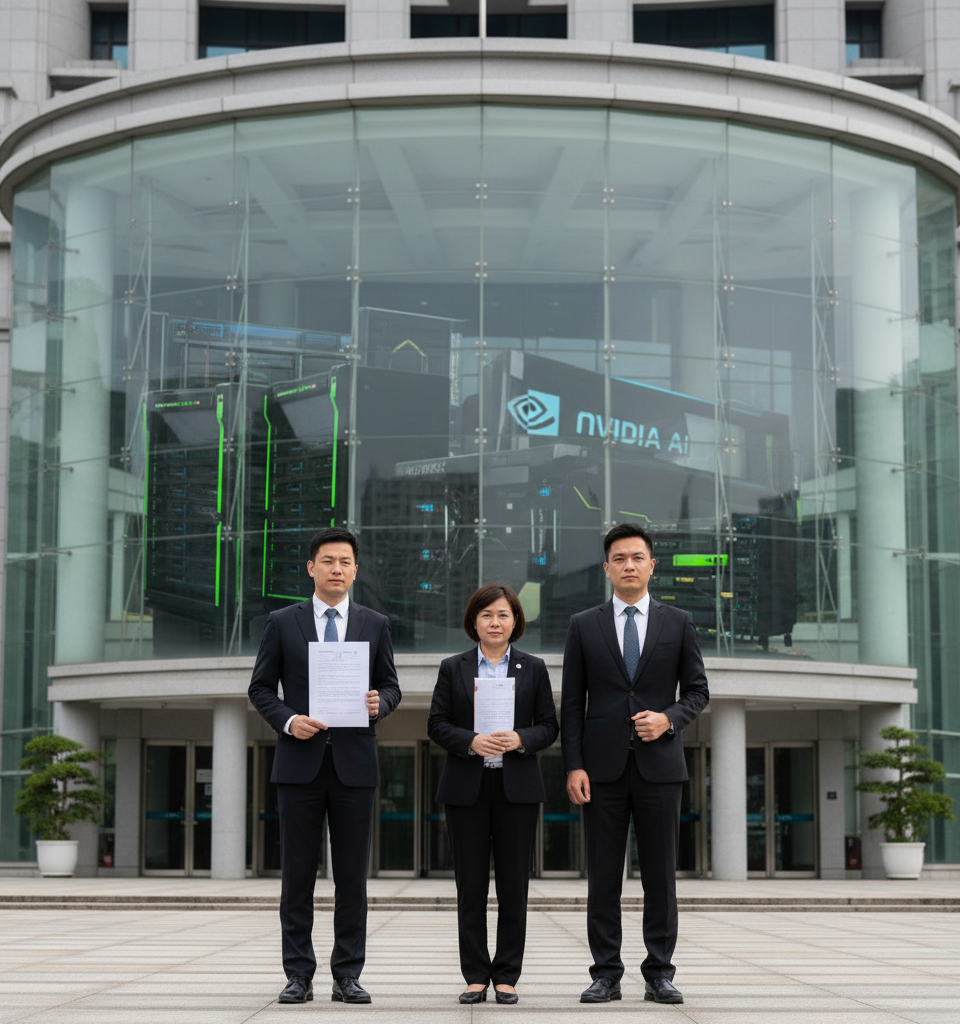
Taiwanese judicial authorities have initiated legal proceedings aimed at detaining three individuals implicated in the alleged illicit export of high-end Nvidia artificial intelligence (AI) servers to mainland China. The investigation centers on accusations that forged documents were utilized to facilitate these unauthorized shipments, representing a significant development in the global efforts to control the flow of advanced technology.
This legal action, unfolding in early May 2026, marks a pivotal moment as it constitutes Taiwan’s inaugural formal crackdown on semiconductor-smuggling operations. The alleged network is understood to be part of a wider, more complex diversion scheme known to be routing sophisticated Nvidia Hopper systems to Chinese customers. These operations reportedly leveraged intermediaries in Hong Kong and other third-country relays, highlighting the intricate methods employed to circumvent export controls.
The urgency of the prosecutors' move to detain the three individuals underscores the severity of the alleged offenses and the potential national security implications. While specific details regarding the identities of those targeted for detention remain largely under wraps, the focus on "forged documents" suggests a concerted effort to deceive regulatory bodies and legitimate shipping channels. The reliance on such falsified paperwork points to a sophisticated and premeditated attempt to bypass established legal frameworks.
Broader Implications for Tech Export Controls
This investigation not only impacts Taiwan's domestic enforcement but also shines a spotlight on the wider challenges faced by nations attempting to restrict the export of sensitive technologies, particularly those with dual-use capabilities like advanced AI semiconductors. Nvidia's Hopper architecture, central to the alleged smuggling, represents the cutting edge of AI processing power, making its controlled distribution a priority for governments aiming to prevent its use in applications deemed strategically sensitive.
The connection to the "wider Supermicro-linked diversion network" is particularly noteworthy. Supermicro, a prominent server manufacturer, has previously been implicated in various supply chain discussions, though the current allegations specifically concern the illegal routing of Nvidia systems. This linkage suggests a well-established and interconnected ecosystem of facilitators engaged in technology circumvention, extending beyond individual actors to potentially include more organized enterprises.
The Role of Hong Kong and Third-Country Relays
The mention of Hong Kong and "third-country relays" as critical components of the diversion network illustrates the geographical complexities involved in these smuggling operations. Hong Kong, with its status as a major global trade hub and historical role as an intermediary for goods entering mainland China, frequently features in such illicit trade routes. The use of multiple transit points further complicates detection and enforcement efforts, requiring high levels of international cooperation to interdict.
This case is expected to send a strong message to other entities or individuals contemplating similar illicit activities. The proactive stance of Taiwanese prosecutors, a first of its kind for the island in the semiconductor sector, signals a heightened commitment to protecting its key technological assets and adhering to international export control regimes. The economic and geopolitical ramifications of such advanced technology transfers are immense, making effective enforcement paramount.
Potential Future Developments
As the investigation progresses, observers will be closely watching for further arrests, the unmasking of additional individuals or corporate entities involved, and clarification on the full scope of the alleged network. The precise nature of the forged documents, the duration of the smuggling operations, and the total volume of high-end AI servers illegally exported are critical details that are expected to emerge as the legal process unfolds.
The outcome of these detention requests and the subsequent legal proceedings will undoubtedly set a precedent for future enforcement actions against semiconductor smuggling in Taiwan. It also highlights the ongoing tension and strategic competition surrounding advanced technology, particularly between major global powers, and the persistent efforts by various actors to bypass controls on critical components like AI accelerators. The international community, particularly nations with vested interests in semiconductor technology, will be keenly observing developments in this high-profile case.