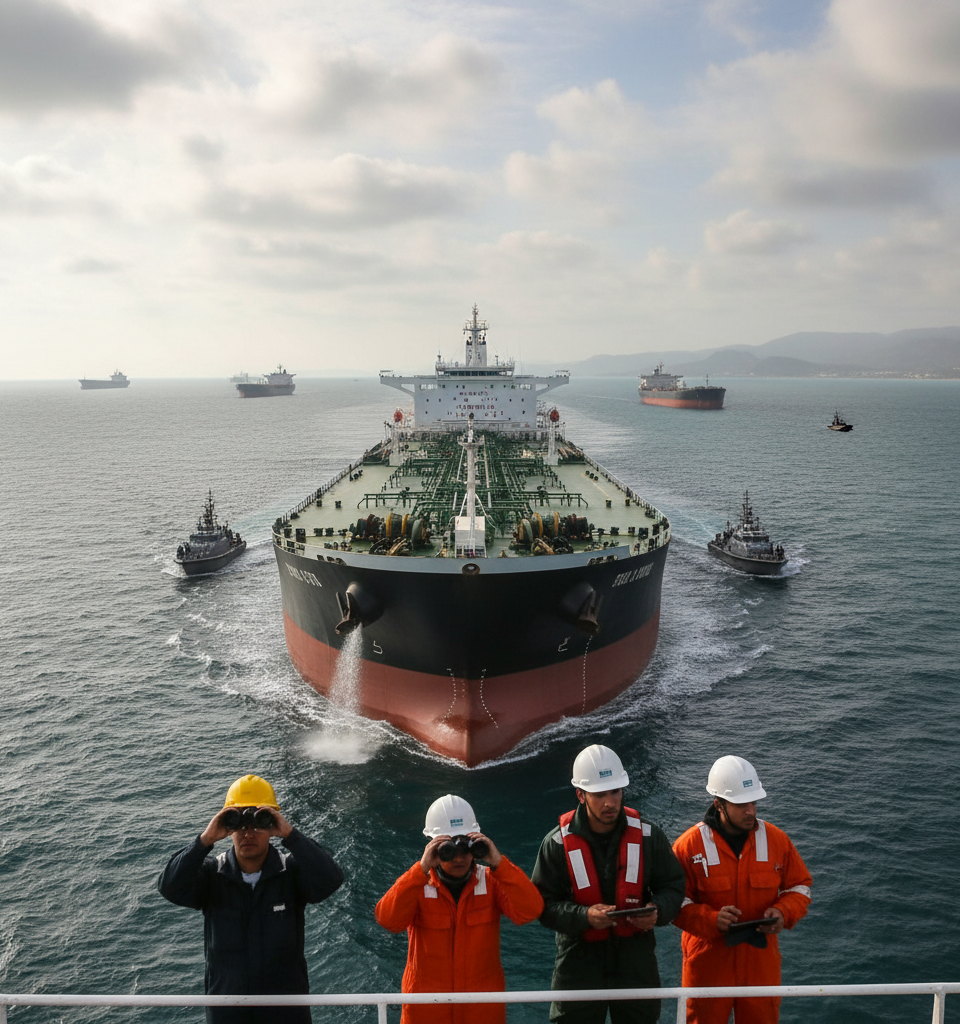
Global energy markets are closely monitoring the Strait of Hormuz this Saturday as an increasing number of crude oil and liquefied natural gas (LNG) carriers cautiously navigate the strategic waterway. This return to a semblance of normal traffic follows a period of significant apprehension, fueled by a series of maritime incidents and a lack of clear communication from Iranian officials regarding the strait's operational status. The cautious resumption by some vessels underscores an urgent need for energy supplies to reach their destinations, weighing commercial imperatives against lingering security anxieties.
Geopolitical Crossroads: Hormuz's Crucial Role
The Strait of Hormuz, a narrow passage between the Persian Gulf and the Arabian Sea, is arguably the world's most critical oil chokepoint. Approximately one-fifth of global oil consumption, or about 21 million barrels of crude oil and petroleum products per day, passes through this waterway. It is also a key transit route for a significant portion of the world's natural gas in the form of LNG. Any disruption here sends immediate shockwaves through international energy markets, impacting prices, supply chains, and geopolitical stability. The recent increase in tanker transits, while a positive sign, does not diminish the underlying fragility of the situation, as conflicting messages from Tehran have prevented a full restoration of confidence among mariners and insurers.
Specific reports from maritime tracking services, including Lloyd's List Intelligence and Refinitiv Eikon, indicate at least a dozen major tankers have traversed the strait in the last 24 hours. This includes several very large crude carriers (VLCCs) and LNG carriers. However, shipowners, speaking anonymously due to commercial sensitivities, reported receiving vague and sometimes contradictory guidance from Iranian port authorities and naval groups. "We're proceeding with extreme caution and elevated security protocols," stated a senior operations manager for a European tanker company, adding, "The lack of definitive assurances from the Iranian side means every transit feels like a gamble." Insurance premiums for transiting the strait remain significantly elevated, reflecting the perceived risk, with some insurers adding war risk clauses that have pushed costs up by as much as 150% in recent weeks.
Market Jitters and Supply Chain Impacts
The ongoing uncertainty has already had tangible effects on global energy markets. While immediate crude oil prices saw a slight decrease upon news of increased traffic, the underlying volatility remains. Futures contracts for both Brent and West Texas Intermediate (WTI) crude have shown erratic movements, reflecting traders' reactions to the daily flow of news and rumors. For Asian economies, heavily reliant on Middle Eastern energy imports, the situation presents a direct challenge to energy security. Shipping delays—whether precautionary rerouting or due to actual incidents—can lead to increased freight costs, longer delivery times, and ultimately, higher consumer prices. Major oil companies have contingency plans involving alternative routes or tapping strategic reserves, but these options are costly and offer only temporary relief.
Industry experts emphasize the critical need for de-escalation and clear communication. "The ambiguous signals from Iran are proving more disruptive than an outright blockade would be in some ways, as they create an environment of perpetual anxiety and unpredictability," commented Dr. Eleanor Vance, a senior analyst at Global Energy Insights. She added, "For long-term contracts and investment decisions, this sort of sustained uncertainty is poison. It forces companies to incorporate higher risk premiums, which ultimately trickle down to consumers globally." Shipping executives have repeatedly called for international diplomatic efforts to establish safe passage guarantees and a clear, unified communication channel with Iranian authorities.
Navigating the Unknown: The Path Ahead
Looking ahead, the immediate future of the Strait of Hormuz as a reliable energy conduit remains clouded. Diplomats from several Western nations are reportedly engaged in back-channel discussions aimed at de-escalating regional tensions, but progress is slow and often overshadowed by new developments. The coming weeks will be crucial in determining whether the current increase in tanker traffic is a sustained trend towards normalization or merely a temporary fluctuation. Shipowners will continue to weigh the commercial imperative of delivering cargo against the heightened security risks and escalating insurance costs. The international community's ability to forge a path towards clear communication and de-escalation will be paramount in ensuring the unimpeded flow of global energy supplies through this indispensable maritime artery.
The implications for global trade extend beyond oil and gas. Any prolonged instability or perceived threat in the Strait of Hormuz could prompt a broader re-evaluation of supply chain resilience, particularly for enterprises sourcing goods or components from the Middle East and Asia. The financial markets are also bracing for potential ripple effects, with equities tied to shipping, energy, and even manufacturing sectors showing sensitivity to geopolitical tides in the region. Until concrete assurances of safe passage are firmly established, the Strait of Hormuz will remain a barometer of global stability and a persistent concern for the world's economic health.