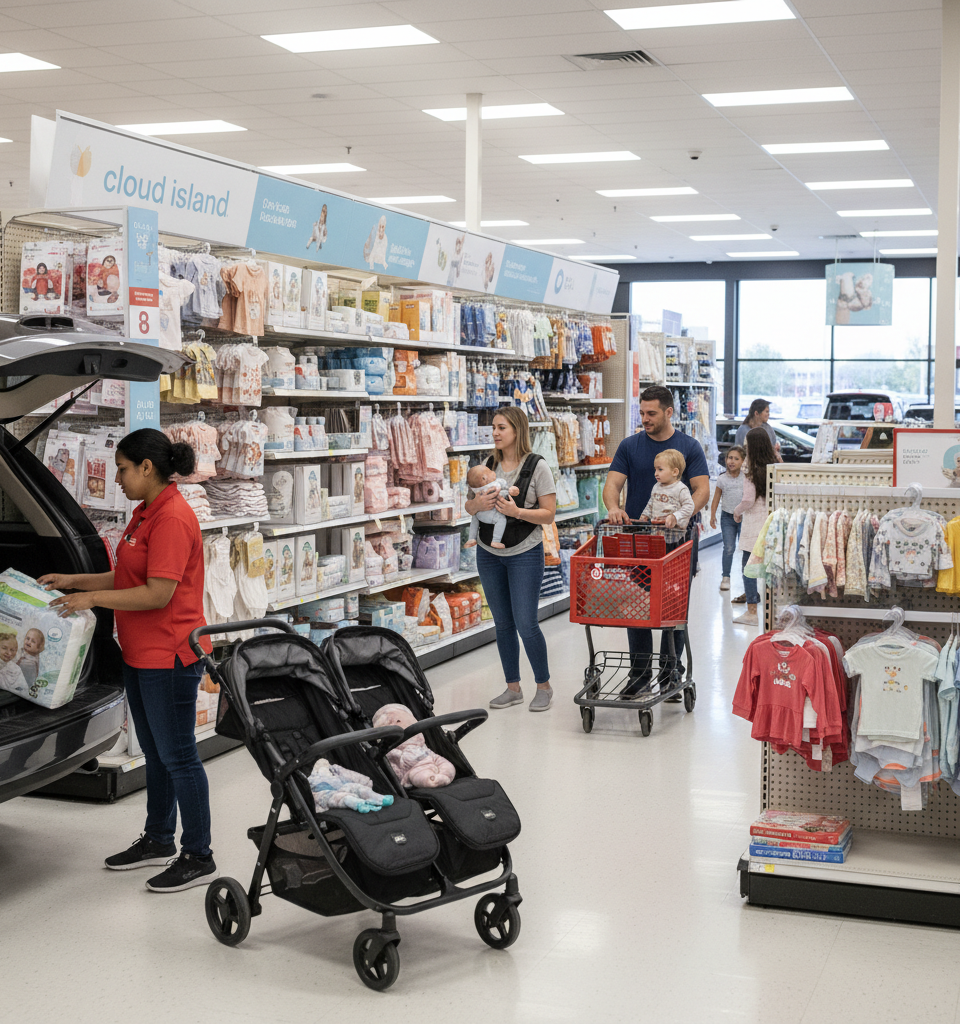
Target Corporation has embarked on a significant refresh of its baby product category, a move strategically designed to recapture the loyalty of busy parents and escalate its competition against formidable rivals Walmart and Amazon. This initiative, unveiled recently, focuses on enhancing the assortment of goods, improving the in-store and online shopping experience, and bolstering convenience features, signaling a renewed commitment to a crucial demographic that often drives long-term customer value. The effort underscores a broader corporate strategy to differentiate Target's offerings in an increasingly competitive retail landscape, particularly for essential household categories.
Context and Significance
The battle for the family dollar, particularly among parents with young children, is incredibly lucrative and fiercely contested. Baby care products, from diapers and formula to gear and clothing, represent a recurring and often urgent purchase cycle that can establish brand loyalty for years. For retailers like Target, securing this demographic means not only immediate sales but also the potential for sustained engagement across various product lines as families grow. The push comes at a time when consumers are increasingly valuing convenience and curated selections, often turning to e-commerce platforms like Amazon or the pervasive accessibility of Walmart's supercenters for their diverse needs. Target's previous efforts in this space, while strong, have faced persistent pressure from these competitors, necessitating a fresh approach to maintain relevance and market share.
Key Details of the Overhaul
Target's baby category revamp includes several key pillars. The company is actively expanding its assortment of exclusive brands like Cloud Island and Cat & Jack, which offer stylish yet affordable options for clothing, bedding, and nursery decor. Product innovation is also central, with a focus on introducing more eco-friendly and organic options in diapers, wipes, and feeding products, catering to a growing segment of health-conscious parents.
Beyond product, Target is investing in the shopping experience, promising easier navigation within the baby aisles, improved signage, and enhanced online filtering capabilities to simplify discovery. Furthermore, the retailer is leveraging its popular fulfillment options, including Order Pickup and Drive Up, to provide the utmost convenience for parents juggling busy schedules, minimizing the time spent inside stores. The company aims to position itself as a trusted partner for parents, offering both quality and ease.
Industry and Market Impact
This renewed focus by Target is expected to intensify the already heated competition in the baby products market. Walmart, with its vast store footprint and aggressive pricing strategies, and Amazon, with its Prime membership benefits and vast online catalog, currently dominate significant portions of this market. Target's strategy to lean into curated assortments, exclusive brands, and superior in-store/online integration could carve out a valuable niche, particularly among middle-to-upper-income families who prioritize quality and convenience. The ripple effect could see competitors re-evaluating their own baby sections, potentially leading to more innovation and competitive pricing across the board, ultimately benefiting consumers. Smaller, niche baby product retailers may also feel pressure from Target's enhanced offerings.
Expert Perspective
Retail analysts view Target's move as a shrewd and necessary strategic adjustment. "Target has always excelled at merchandising and creating an aspirational shopping experience," says Dr. Eleanor Vance, a retail industry consultant. "By doubling down on the baby category, they're not just selling products; they're selling a lifestyle and winning over decision-makers for their household spending. The emphasis on private labels and convenient fulfillment options speaks to a deep understanding of their target demographic's pain points and desires." She added that success will hinge on consistent execution and effective communication of these improvements to consumers, especially in a media-saturated environment.
What's Next
Target representatives indicate that the baby category refresh is not a one-time event but an ongoing evolution, with continued product introductions and experience enhancements planned throughout the current fiscal year and beyond. The company will closely monitor sales performance, customer feedback, and competitive responses to fine-tune its strategy. Furthermore, insights gained from this baby aisle overhaul may inform similar category-specific revamps across other areas of the store, such as home goods or apparel, as Target seeks to continually refine its overall value proposition for busy families and other key customer segments. This strategic investment in a foundational department highlights Target's commitment to maintaining its position as a preferred destination for discerning shoppers.