Global supply chain resilience and cross-border cost management are directly imperiled as American businesses face mounting domestic economic pressures. Sustained pressure on core operational costs could force strategic re-evaluations for companies engaged in international trade or considering global market entry.
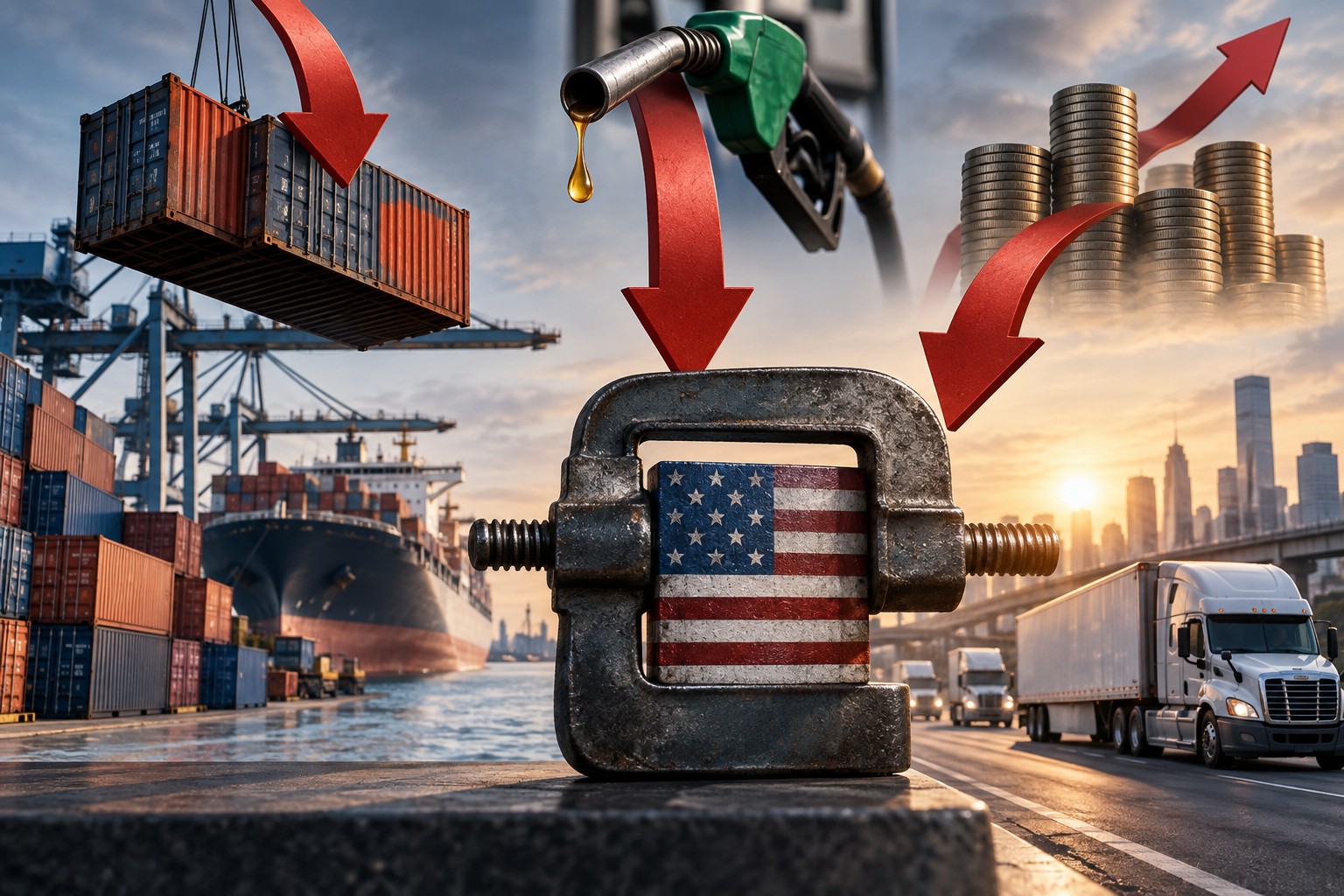
American companies are currently grappling with an "awful" economic environment, as a triple threat of tariffs, soaring fuel costs, and higher interest rates significantly squeezes profitability and operational stability. This confluence of challenges is particularly impactful for key sectors, including manufacturers, auto suppliers, retailers, and transportation businesses, who are feeling the brunt of increased expenses across their supply chains and day-to-day operations.
The Economic Headwinds
The strain stems from multiple fronts. Tariffs, essentially taxes on imported goods, increase the cost of raw materials and components for manufacturers and directly raise the price of finished goods for retailers. These added costs often cannot be fully passed on to consumers, eroding profit margins. Concurrently, surging fuel prices are inflating transportation costs, a critical expense for any business that moves goods, from raw materials to final products. This directly impacts the logistics networks of auto suppliers and the delivery capabilities of retailers and transportation companies. Compounding these issues, higher interest rates make borrowing more expensive, impacting companies' ability to finance inventory, invest in expansion, or manage cash flow. This particularly affects capital-intensive industries like manufacturing and transportation.
Sector-Specific Impacts
Manufacturers are experiencing a direct hit from tariffs on imported inputs and higher shipping costs for their output. The increased cost of production can reduce competitiveness against international rivals. For auto suppliers, whose margins are often tight, the rise in material costs due to tariffs and the elevated expense of transporting components and finished parts pose substantial challenges.
They may struggle to absorb these costs without impacting their own profitability or passing them on to automotive assemblers. Retailers face a double bind: higher import costs for goods due to tariffs and increased freight charges to get products to warehouses and stores. These rising procurement costs can squeeze their retail margins or force price increases that might deter consumers.
Meanwhile, transportation businesses are directly impacted by fuel price volatility, which is a primary operating expense. Higher interest rates also complicate fleet upgrades and maintenance, which are crucial for efficiency.
Broader Market Implications
The cumulative effect of these pressures could extend beyond individual companies to influence broader economic trends. Reduced profitability might lead to deferred investment, slower job growth, or even consolidation within these affected sectors. Consumer prices could eventually rise if businesses are compelled to pass on higher costs, potentially fueling inflation. The ability of American companies to compete globally could also be hampered if their cost structures become uncompetitive due to domestic policy or market conditions.
Navigating the Challenges
Businesses are likely exploring various strategies to mitigate these pressures. This could include re-evaluating supply chain geographies to reduce exposure to tariffs, investing in fuel-efficient logistics, or optimizing inventory management to reduce reliance on expensive short-term financing. However, many of these adjustments require significant capital expenditure or time to implement, offering little immediate relief for companies already under duress.
The Outlook Ahead
The current environment suggests a period of sustained pressure for American businesses. The interplay of trade policy, energy markets, and monetary policy creates a complex landscape. Without shifts in these foundational economic factors, companies, especially those in the manufacturing, auto supply, retail, and transportation sectors, will likely continue to navigate an "awful" and challenging operational climate well into the foreseeable future, necessitating resilience and adaptable strategies to maintain viability and growth.