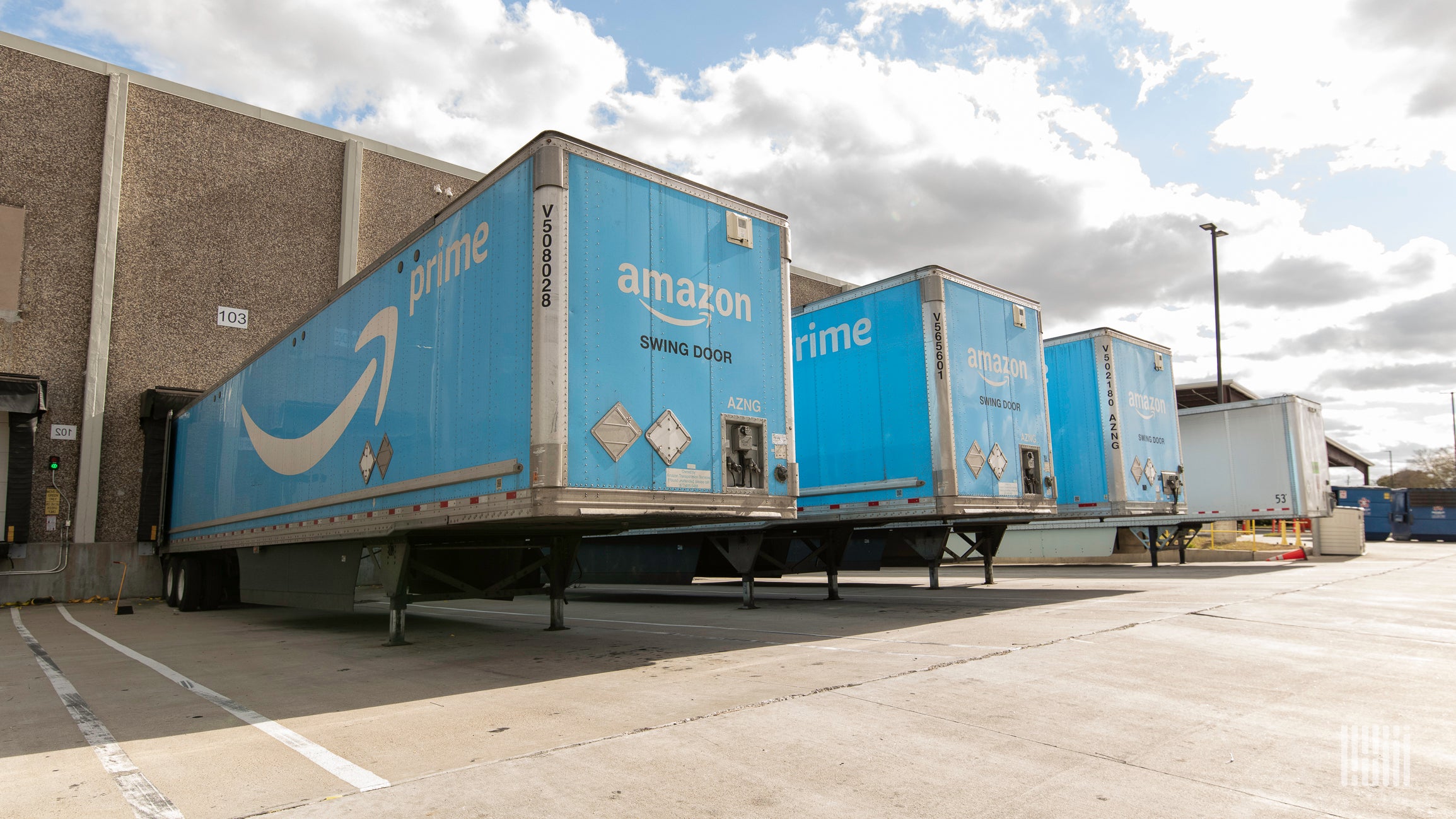
SEATTLE, WA – October 26, 2023 – A pivotal agreement has been struck between the International Brotherhood of Teamsters and Amazon, the global e-commerce and logistics behemoth, establishing a formal framework for addressing penalties related to unsanctioned walkouts at the company's warehouses. This landmark pact, confirmed by sources close to both organizations, marks a significant shift in the often-contentious relationship between the powerful union and one of the world's largest employers, particularly as organized labor intensifies its efforts to unionize Amazon's vast fulfillment and delivery operations across the United States. The agreement aims to standardize responses to localized labor actions, bringing a new layer of predictability to an otherwise volatile landscape.
Context: A New Chapter in Labor Relations
This agreement arrives at a critical juncture for both parties. The Teamsters, representing some 1.3 million members across North America, have explicitly made Amazon a primary target for unionization, citing concerns over working conditions, wages, and job security. Amazon, known for its historically strong stance against unionization, has faced increasing scrutiny and legal challenges regarding its labor practices. The current agreement, while specific to penalties for unsanctioned walkouts, indirectly acknowledges the growing presence and influence of unionization drives within Amazon. It signals a pragmatic approach to managing labor unrest that could potentially preempt more disruptive and widespread industrial actions, offering a structured path for dispute resolution where previously there was none.
Key Details of the Agreement
While the specifics of the penalty structure remain confidential, sources indicate the agreement outlines a defined process for addressing work stoppages that occur outside of formally recognized collective bargaining agreements. This likely includes a tiered system of corrective actions, potentially ranging from warnings to financial penalties, applicable to both the instigators of the walkouts and potentially the local union affiliates if they are found to have sanctioned unauthorized actions. Importantly, the agreement is understood to apply to activities occurring during active union organizing campaigns, before a full collective bargaining agreement is in place. This mechanism seeks to balance workers' rights to protest with the company's operational continuity, preventing ad-hoc disruptions from escalating into protracted legal battles in the absence of a formal contract.
Industry and Market Impact
The ramifications of this agreement extend far beyond the direct dealings between Teamsters and Amazon. For the logistics and retail sectors, notoriously reliant on fluid supply chains, the prospect of formalized guidelines for labor actions offers both challenges and opportunities. For competitors, such as FedEx and UPS (where the Teamsters have a long-standing presence), this move by Amazon could influence their own labor strategies. Investors will likely view this development with a mix of caution and optimism; while it introduces a structured approach to potential labor unrest, it also legitimizes a degree of union influence that was previously absent, potentially impacting future labor costs and operational flexibility. The move could also set a precedent for other large, non-unionized companies grappling with surging union interest.
Expert Perspective on the Pact
Labor relations experts view this agreement as a significant, albeit nuanced, victory for organized labor. Dr. Eleanor Vance, a professor of Industrial Relations at the University of California, Berkeley, noted, "This isn't a full union contract, but it's Amazon acknowledging the Teamsters as a legitimate force that needs to be engaged with formally, even concerning unauthorized actions. It moves the discussion from 'if' to 'how' organized labor interacts with one of the most powerful employers on the planet." Others suggest Amazon's willingness to engage signals a strategic pivot, recognizing that outright resistance to unionization efforts may be becoming unsustainable, particularly in a tighter labor market and under increased regulatory scrutiny from agencies like the National Labor Relations Board (NLRB).
Future Implications and Next Steps
The immediate future will see both organizations focused on implementing the terms of this agreement and communicating its implications to their respective constituents. For the Teamsters, this accord provides a new tool in their ongoing organizing efforts, potentially offering a more defined path for workers to voice grievances without facing immediate, ambiguous company retaliation. For Amazon, it represents a step towards managing labor volatility within a structured framework, potentially avoiding larger, unscheduled operational disruptions. Observers will be closely watching how this initial agreement influences full-fledged unionization votes and subsequent collective bargaining negotiations. This accord could pave the way for more comprehensive agreements between the Teamsters and Amazon, fundamentally altering the logistics industry's labor landscape for decades to come.
Further developments are expected as both parties continue to navigate the intricate path of labor relations in the rapidly evolving e-commerce sector.