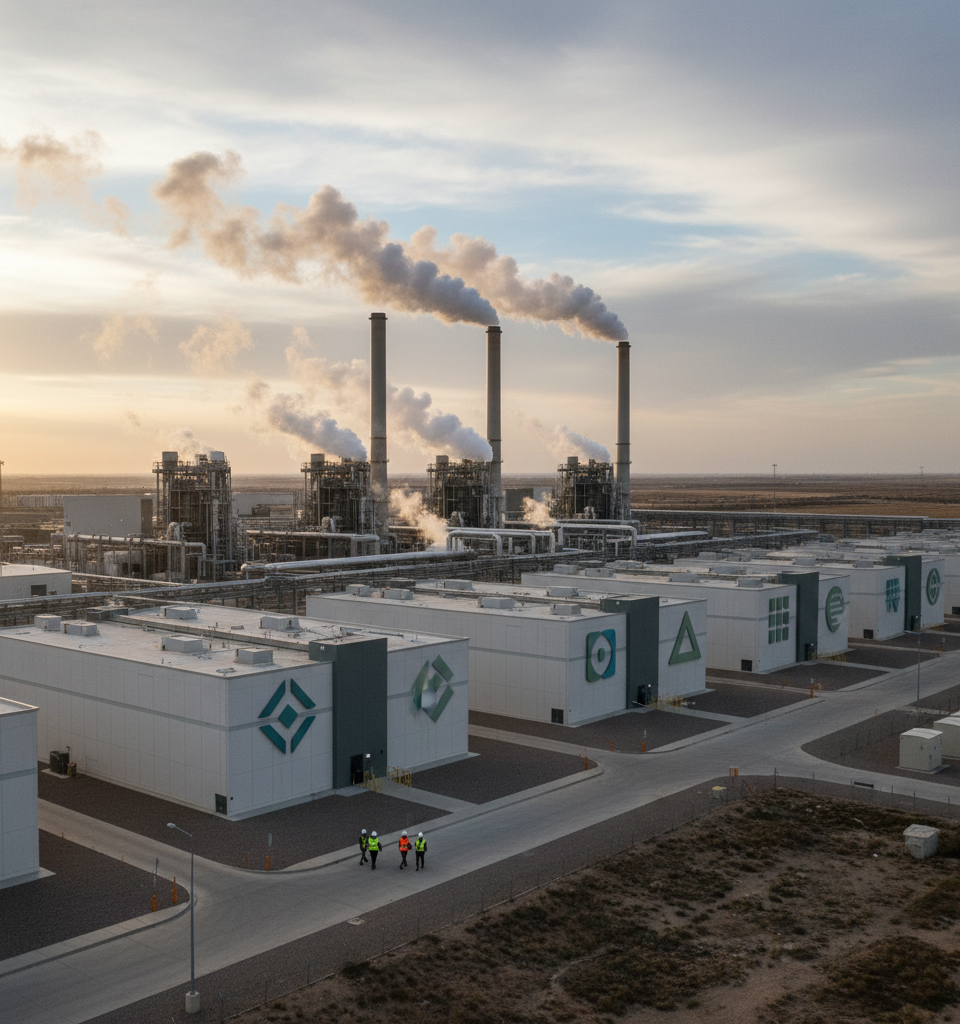
San Francisco, CA – In an escalating bid to power their burgeoning artificial intelligence (AI) ambitions, tech behemoths Meta, Microsoft, and Google are reportedly making substantial commitments to developing and utilizing new natural gas-fired power plants to energize their data centers. This strategic shift, driven by the unprecedented energy consumption of advanced AI models, marks a critical juncture for the industry, potentially undermining long-standing corporate commitments to renewable energy and raising significant environmental eyebrows regarding increased greenhouse gas emissions.
The Unprecedented Energy Appetite of AI
The immense computational requirements of training and running sophisticated AI models, such as large language models (LLMs), have created an unprecedented surge in electricity demand. Traditional renewable energy sources, while favored, often struggle with intermittency and the sheer scale required to meet the continuous, high-load demands of contemporary AI data centers. Natural gas, offering a more stable and dispatchable power supply compared to intermittent renewables, is emerging as a pragmatic, albeit controversial, solution for these companies as they race to dominate the AI landscape. This pivot contrasts sharply with previous pledges by these companies to achieve 100% renewable energy use.
Strategic Investments and Mounting Concerns
Specific projects highlighting this trend include reports of Meta's involvement with a natural gas plant near its data center in Kuna, Idaho, and Microsoft's exploration of similar power solutions for its expanding data center footprint. Google, while outwardly emphasizing renewable energy procurement, faces similar pressures as its AI infrastructure scales. The financial investments are substantial; building a utility-scale natural gas plant can easily run into hundreds of millions, if not billions, of dollars, indicative of the perceived long-term need for reliable, on-demand power. Environmental advocacy groups and climate scientists are voicing alarm, arguing that this reliance on fossil fuels could lock in decades of carbon emissions, directly conflicting with global climate goals and the Paris Agreement.
Redrawing the Energy Landscape for Big Tech
This trend has significant implications for how the tech industry sources its energy and could reshape the broader energy market. The concentration of AI data centers, often located in regions with robust energy grids, could strain existing infrastructure and necessitate new capacity, much of which appears slated to be gas-fired. This not only shifts capital from renewable projects but also potentially increases energy prices for consumers in those regions. Furthermore, it challenges the narrative of a fully decarbonized digital economy, forcing a reevaluation of tech companies' environmental, social, and governance (ESG) bona fides.
Expert Perspectives: A Necessary Evil or a Step Backward?
Energy analysts and environmental experts are divided. Some argue that natural gas acts as a crucial 'bridge fuel,' providing the necessary stability as renewable technologies mature and grid storage solutions become more viable. "The scale of energy required for next-gen AI is truly staggering," notes Dr. Elaine Richards, an energy policy expert. "While not ideal, natural gas offers a predictable power source that current large-scale renewables often cannot, especially when immediate, constant power is critical for AI training." Others vehemently disagree, pointing out that investing in new fossil fuel infrastructure at this juncture contravenes climate imperatives and risks stranded assets in the long run. They advocate for accelerated investment in advanced nuclear, geothermal, and long-duration energy storage as more sustainable alternatives.
The Path Forward: Balancing Innovation and Sustainability
The immediate future will likely see a continued tension between the urgent demands of AI development and the imperative for climate action. Tech companies are under increasing scrutiny to innovate not only in AI but also in energy efficiency and sustainable power procurement. This includes exploring novel cooling technologies, optimizing AI algorithms for lower energy consumption, and pushing for grid modernization that can better integrate intermittent renewables. Policy interventions, such as carbon pricing and incentives for clean energy infrastructure, will also play a critical role in shaping how these tech giants power their future. If the industry fails to find a sustainable pathway, the very innovation promised by AI could come at a steep environmental cost.
Conclusion: A Defining Moment for Tech's Climate Pledges
Ultimately, the decision by Meta, Microsoft, and Google to leverage natural gas plants for AI data centers represents a defining moment for their climate commitments. While driven by legitimate immediate operational needs, this strategy carries substantial risks, both environmental and reputational. The coming years will reveal whether this is a temporary necessary evil or a significant backtrack on the industry's path towards a truly green digital future.