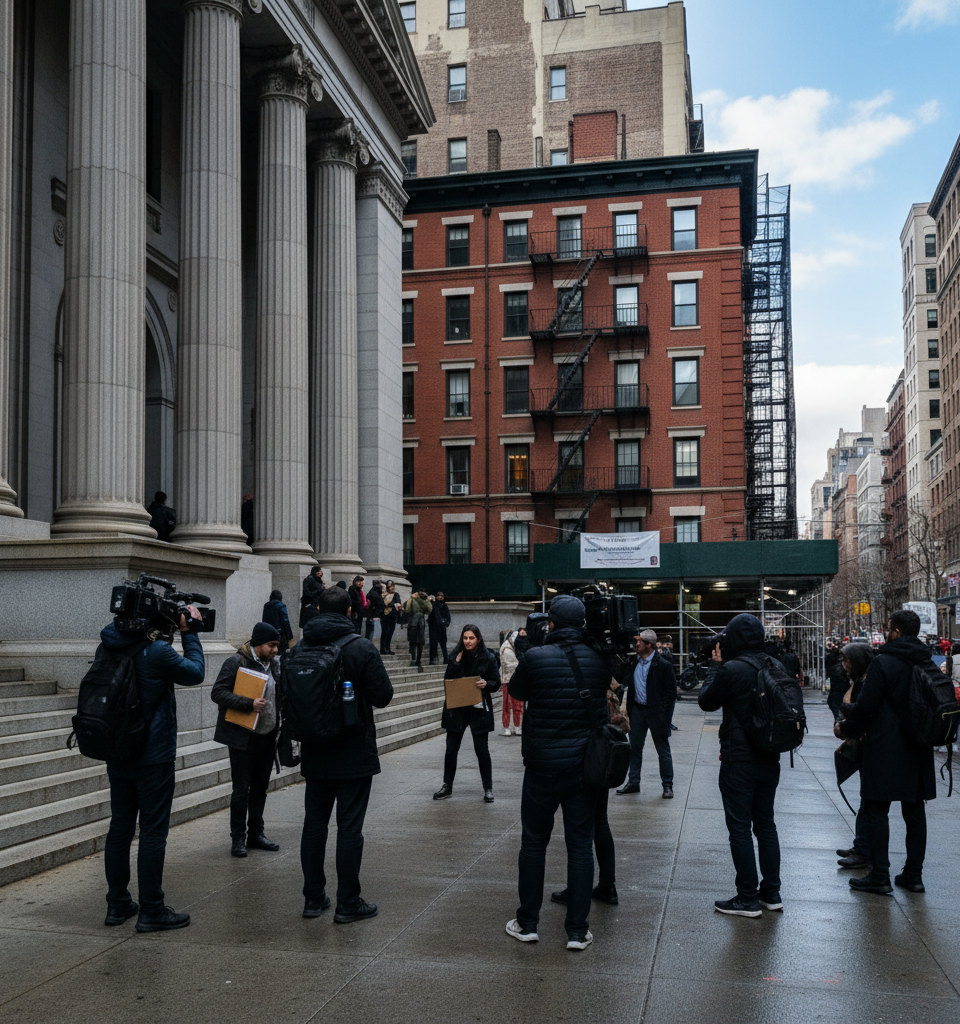
The legal skirmish over rent stabilization in New York City could offer a preview of future regulatory battles that might impact the Southern California luxury real estate market. While specific rent control measures vary, high-end investors and developers in areas like Malibu, Bel Air, and Encino watch closely for precedents that could influence property valuations, rental income streams, and the broader investment climate, especially concerning tenant protections.
Tenant advocacy organizations in New York City have officially joined the legal challenge against the city's rent freeze, submitting a court filing that directly disputes claims made by landlords. This intervention marks a significant escalation in the ongoing legal battle to safeguard existing rent stabilization policies throughout the city, highlighting the deep divisions and high stakes involved for both property owners and tenants. The filing, occurring today, August 21, 2026, further solidifies the complex legal landscape surrounding affordable housing in one of the nation's most competitive real estate markets.
Context and Background of the Rent Freeze
The ongoing legal challenge centers on the New York City Rent Guidelines Board's decision to implement a rent freeze for certain stabilized units, a measure intended to provide relief to tenants amidst economic uncertainties. Landlords, however, argue that such freezes are financially unsustainable, impeding property maintenance, necessary upgrades, and their ability to cover rising operating costs, including taxes and insurance. This divergence in perspectives has fueled a protracted legal fight, with both sides contending that their interests are vital for the city's economic and social well-being.
Key Details of Tenant Intervention
The newly filed court documents by tenant groups present a counter-narrative to the arguments put forth by landlord associations. While the specifics of their filing are not detailed in the source, their intervention suggests a robust defense of the rent freeze, likely emphasizing tenant hardships, the necessity of affordable housing, and the potential for displacement if stabilization measures are weakened. This legal move underscores the organized effort by advocates to protect renters and preserve what they view as essential social welfare policies in the face of financial pressures on property owners.
Industry and Market Impact
For the broader real estate market in New York City, the outcome of this legal challenge carries substantial implications. A sustained rent freeze, or strong rent stabilization policies, could continue to impact rental income projections and property valuations for investors, particularly those with portfolios heavily weighted in rent-stabilized buildings. Conversely, a rollback of these policies could lead to increased rental prices and potentially higher returns for landlords, but at the risk of exacerbating the city's affordable housing crisis and leading to significant social upheaval. The uncertainty surrounding these policies injects a degree of volatility into investment decisions.
The Battle Over Affordability
This legal confrontation is more than just a dispute over rent; it represents a fundamental clash over the future of housing affordability in New York City. Tenant groups contend that strong rent regulations are crucial for preventing mass displacement and maintaining the city's diverse socioeconomic fabric. Landlords, conversely, argue that such regulations stifle investment, deter development, and ultimately harm the housing supply. The court's eventual ruling could establish a precedent for how cities balance the rights of property owners with the needs of their tenant populations.
What's Next in the Legal Process
Following the tenant groups' formal intervention, the legal proceedings are expected to continue, likely involving further oral arguments, submission of evidence, and potentially a lengthy judicial review process. The court will need to weigh the competing claims and evidence presented by both landlord associations and tenant advocates before rendering a decision. The outcome is highly anticipated, as it will inevitably shape the future of rent stabilization and tenant protections in New York City for years to come. Appeals are almost certainly expected, regardless of the initial ruling, indicating a prolonged legal journey before a definitive resolution is reached.