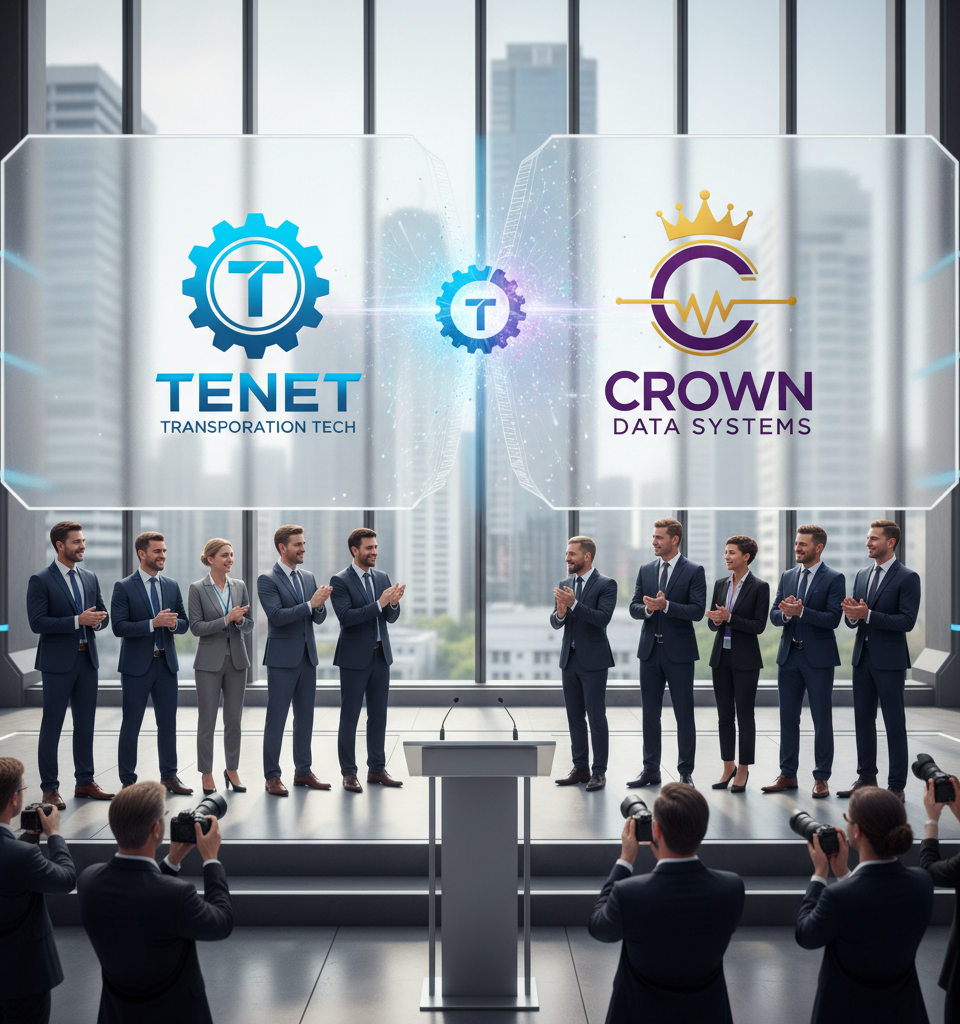
In a significant development within the logistics technology landscape, Tenet Transportation Tech has announced its merger with Crown Data Systems. The consolidation officially combines Tenet’s established carrier operations software capabilities with Crown’s specialized airfreight trucking software business, marking a notable strategic move in the industry.
Strategic Rationale and Industry Impact
This merger is poised to create a more comprehensive and integrated software solution for the transportation sector. By bringing together Tenet's broad carrier operations functionality and Crown's focused expertise in airfreight logistics, the newly combined entity is expected to offer a more robust product suite that addresses a wider array of operational needs for carriers. The move highlights an accelerating trend towards consolidation in the logistics technology space, as companies seek to expand their service offerings and achieve greater efficiencies through synergistic operations. This integration could lead to enhanced data analytics, optimized route planning, and improved operational workflows for clients across both ground and air freight segments.
The demand for sophisticated logistics software has been steadily increasing, driven by the complexities of global supply chains, rising fuel costs, and the need for real-time visibility. Companies are continually seeking solutions that can streamline processes, reduce manual errors, and provide actionable insights. The merger between Tenet Transportation Tech and Crown Data Systems directly responds to these market needs by creating a more versatile and powerful platform capable of supporting diverse operational requirements.
Operational Synergies and Market Positioning
Crown Data Systems has long been recognized for its specialized software solutions catering specifically to the nuanced demands of the airfreight trucking industry. Its tools are critical for managing the unique aspects of air cargo ground handling, including time-sensitive deliveries, complex regulatory compliance, and specialized equipment management. Tenet Transportation Tech, on the other hand, provides a broader suite of software designed for general carrier operations, encompassing areas like dispatch, fleet management, and billing across various transportation modes.
The synergy lies in the complementary nature of their offerings. Tenet's extensive experience in optimizing standard carrier operations can now be integrated with Crown's deep vertical expertise in airfreight. This combination is expected to allow the merged company to offer an end-to-end solution, from first-mile pickup to final-mile delivery, especially for goods transitioning between air and ground transportation. This integrated approach could be particularly attractive to logistics providers and carriers looking to consolidate their software vendors and simplify their IT infrastructure.
Future Outlook and Competitive Landscape
The merger is anticipated to bolster the new entity's competitive position against other established players in the logistics software market. By offering a more holistic product, it may attract a broader customer base and enhance retention among existing clients. The potential for cross-selling opportunities between the former client bases of Tenet and Crown is significant, leading to increased market share and revenue growth.
Looking ahead, the integration process will likely focus on harmonizing software platforms, customer support systems, and sales strategies. The success of the merger will depend on how effectively the two entities can combine their technologies and corporate cultures to deliver a unified and enhanced product experience. Industry observers will be watching closely to see how the combined company leverages its expanded capabilities to innovate and respond to the evolving demands of the transportation and logistics sectors. This move underscores a broader industry trend towards integrated, full-spectrum solutions, signaling a future where specialized software merges to create comprehensive operational ecosystems.