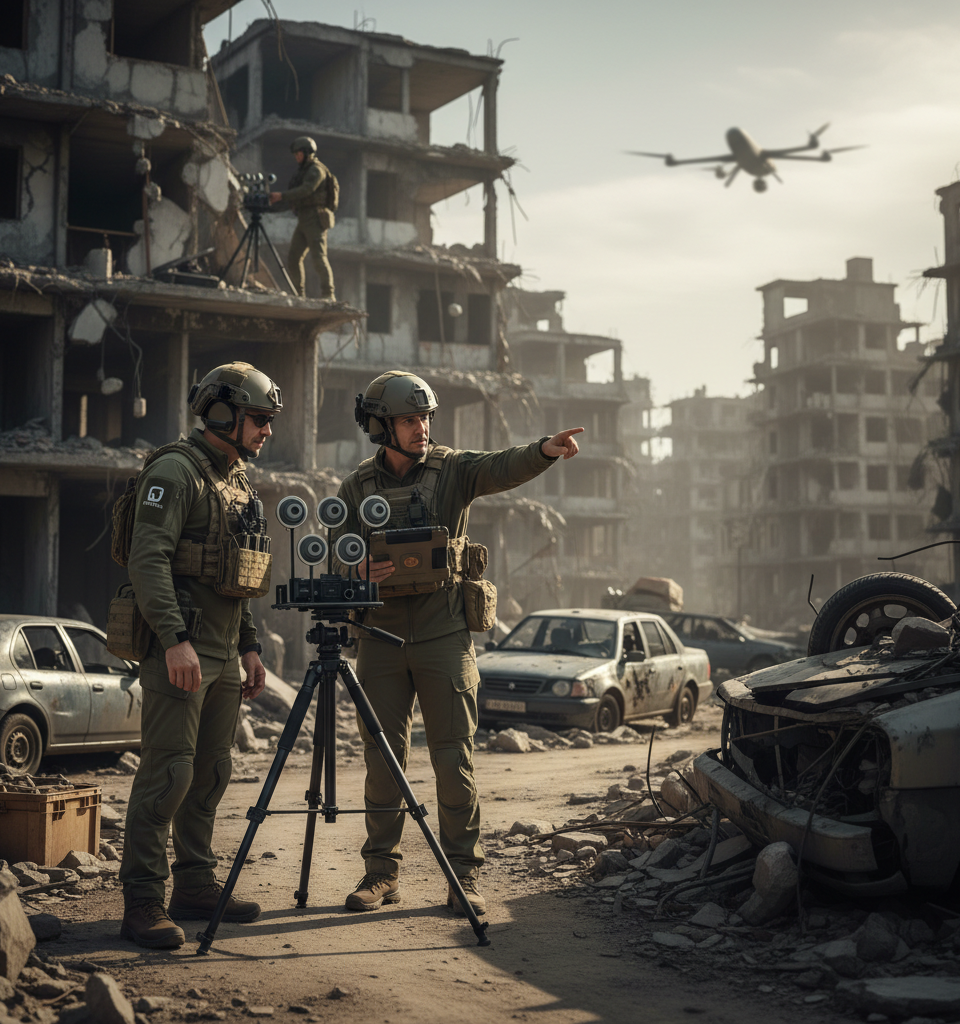
TOKYO, JAPAN – In a significant move highlighting the global ripple effects of the ongoing conflict in Ukraine, Japanese drone technology firm Terra Drone is developing an artificial intelligence-powered acoustic detection system designed to neutralize Shahed-type uncrewed aerial vehicles (UAVs). Leveraging real-world lessons from Ukrainian battlefields, where rudimentary and cost-effective solutions have proven surprisingly effective against sophisticated threats, the company is positioning itself at the forefront of a nascent market for affordable anti-drone technology.
The Genesis of Innovation in Conflict
The genesis of Terra Drone's new initiative lies in observing the inventive, often DIY, countermeasures employed by Ukrainian forces against high-volume, low-cost Shahed-136 "kamikaze" drones. These Iranian-designed UAVs, known for their distinctive engine noise and relatively low production cost (estimated at around $20,000-$50,000 per unit), have posed a significant challenge. Traditional, expensive air defense systems, such as Patriot missiles costing millions per interception, are economically unfeasible against such targets. Ukrainian ingenuity has featured everything from rapid-fire machine guns with searchlights to sophisticated acoustic sensor networks, providing early warnings and targeting data to ground-based defenses. Terra Drone recognized this gap: the need for a scalable, budget-friendly defense that could be rapidly deployed and was resistant to electronic jamming.
Technology and Market Strategy
Terra Drone's system reportedly utilizes an array of specialized microphones coupled with advanced AI algorithms capable of identifying the unique acoustic signatures of specific drone models, particularly the Shaheds, even amidst urban clamor. Once detected, the system provides real-time tracking data, allowing for the precise targeting by conventional small arms or, potentially, by directed energy weapons in the future. The firm emphasizes the system's cost-effectiveness, stating that a single unit would be significantly less expensive than traditional radar-based methods, lowering the barrier to entry for nations and critical infrastructure operators seeking drone defense. The company recently secured a strategic investment of $14 million from WaVe to accelerate its R&D and market expansion, pushing its total funding to over $95 million.
Industry Impact and Evolving Warfare
This development by Terra Drone underscores a critical shift in the defense industry, moving beyond solely high-tech, multi-million-dollar solutions to embrace adaptable, cost-efficient technologies. The rise of asymmetric warfare, where non-state actors or less technologically advanced adversaries can deploy swarm attacks of inexpensive drones, necessitates such innovations. Market analysts predict a significant growth trajectory for the counter-UAS (C-UAS) market, with some forecasts estimating it could reach upwards of $18 billion by 2029, driven by increased geopolitical instability and the proliferation of drone technology. Terra Drone's approach directly targets the lower-cost segment of this market, which has historically been underserved by major defense contractors.
Expert Perspectives
Defense experts highlight the strategic importance of acoustic detection. Dr. Anya Sharma, a senior analyst specializing in drone warfare at the International Institute for Strategic Studies, notes, "Radar is effective, but it can be jammed, and it's expensive. Acoustic detection offers a redundant and complementary layer of security, especially for slow-moving, low-altitude threats like the Shahed. The 'ears' of a defense system are becoming as crucial as its 'eyes'." She adds that the ability to accurately differentiate drone sounds from environmental noise—a critical challenge for AI—will be key to the reliability and adoption of such systems.
The Road Ahead
Terra Drone plans to conduct extensive field testing of its new system in Japan and potentially in other allied nations susceptible to low-cost drone threats. The company is actively engaging with defense ministries and critical infrastructure operators, including power plants and government facilities, to demonstrate its solution. Longer-term, Terra Drone envisions integrating its acoustic detection platform with other C-UAS technologies, such as kinetic interceptors or electronic warfare systems, to offer a comprehensive, layered defense. The success of this initiative could position Japan, a nation often cautious in defense technology exports, as a key innovator in the rapidly evolving landscape of drone countermeasures.