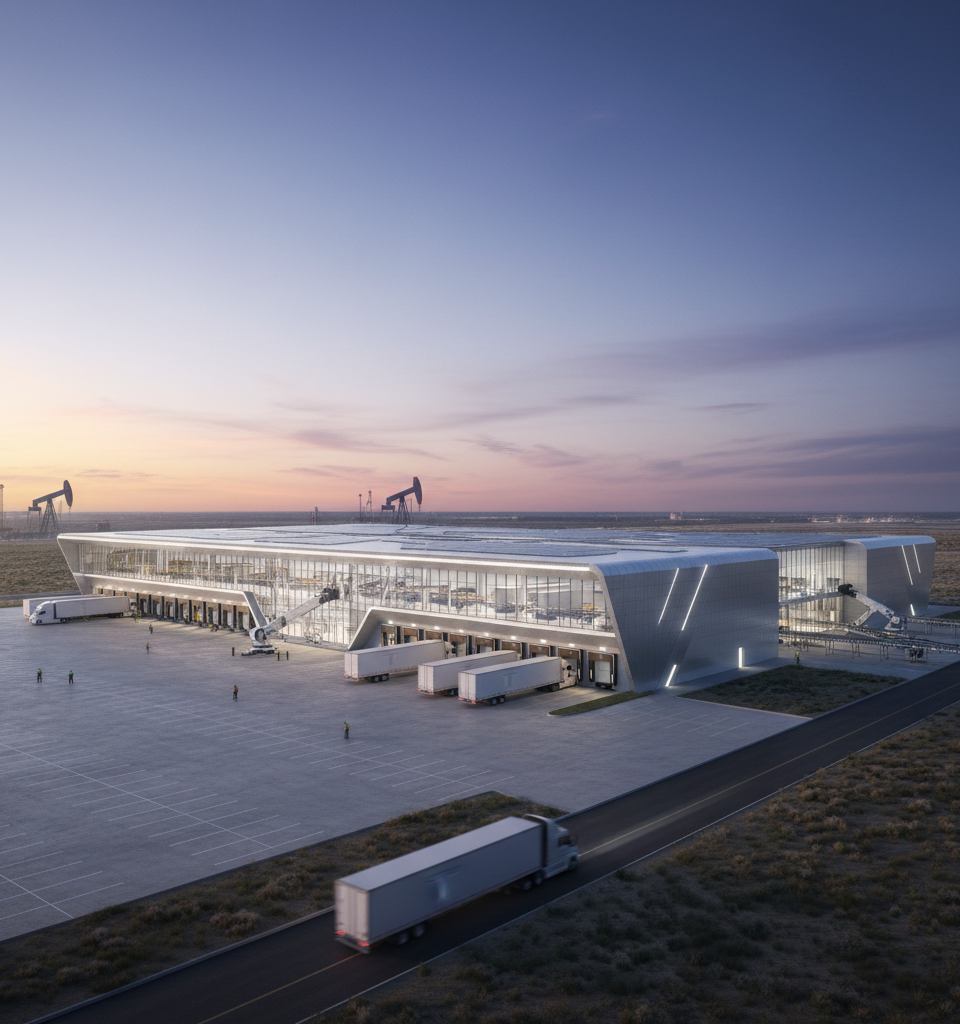
Cross-border logistics and supply chain optimization remain central to global business expansion. Tesla's planned distribution center in Texas represents a strategic investment aimed at streamlining its regional fulfillment capabilities and reducing transport costs.
Automotive and technology manufacturer Tesla is advancing plans for a significant new distribution center in Texas. State filings indicate the company anticipates a $1.4 million investment for the 538,720-square-foot facility. This major logistical hub is projected to commence operations by the close of 2028.
Project Details and Scope
The proposed distribution center underscores Tesla's commitment to strengthening its operational footprint in Texas, a state that also hosts its gigafactory. The precise location within Texas was not specified in the initial filings. The substantial size of the facility suggests it will play a critical role in Tesla's regional parts distribution, inventory management, and overall supply chain efficiency for its growing vehicle and energy product lines.
Strategic Importance
This development is significant for Tesla as it continues to scale its production and sales volumes across North America. A dedicated, large-scale distribution center can help reduce lead times for parts and products, improve customer service, and support the rapid expansion of its service network. Such facilities are crucial for managing the complex logistics of a global manufacturing operation, ensuring components reach assembly lines and service centers efficiently.
Market Impact and Future Outlook
The construction of this facility could have a ripple effect on the local economy through job creation and increased demand for ancillary services. For the automotive industry, it reflects the ongoing trend of manufacturers investing heavily in their logistical infrastructure to support electric vehicle production and distribution. As EV adoption grows, efficient supply chains for parts and battery components become increasingly vital.
Timeline and Expectations
According to the state filing, Tesla expects the distribution center to be fully operational within the next two years, targeting a late 2028 launch. This timeline allows for planning, construction, and the intricate setup of logistics and warehousing systems necessary for a facility of this scale. The company's focus on a fixed operational date highlights its strategic planning for future growth and market demands.
This investment signals Tesla's proactive approach to supply chain resilience and expansion, aiming to support its long-term objectives in the competitive automotive and technology sectors.