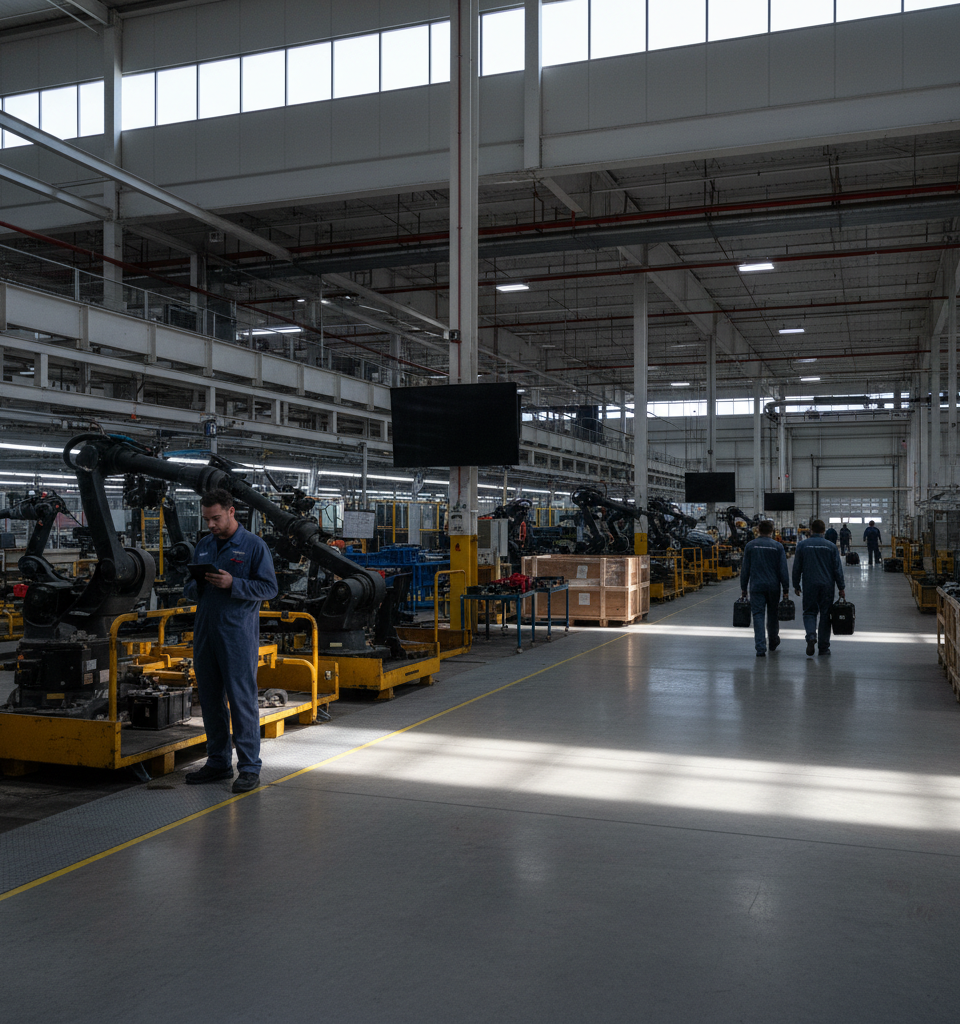
Austin, TX – Tesla, the electric vehicle pioneering automotive manufacturer, significantly downsized its workforce at its flagship Gigafactory Texas facility by approximately 22% in 2025. This substantial reduction, which saw the headcount fall from 21,191 workers to 16,506, as reported by industry sources, comes precisely as the company navigates its second straight year of declining global sales. The cutbacks underscore a critical period for the EV leader, suggesting a strategic realignment in response to evolving market dynamics and internal challenges.
Contextualizing Tesla's Workforce Adjustment
This workforce contraction is not merely an isolated event but rather a symptom of broader pressures facing Tesla. The Giga Texas plant, envisioned by CEO Elon Musk as a cornerstone of Tesla's future production, particularly for the Cybertruck and future models, requires optimal efficiency. The reported decline in sales, following unprecedented growth years, marks a pivotal shift for the company. Such a significant personnel reduction indicates a forceful effort to streamline operations, cut costs, and potentially recalibrate production targets in alignment with diminished demand.
Key Figures and Operational Realities
The numerical details of the layoff are stark: 4,685 employees were reportedly impacted by this reduction. This translates to roughly one in five workers at the sprawling Austin facility. While Tesla traditionally refrains from commenting on specific employment figures or layoff specifics, the reported numbers reflect a substantial operational change. The decline in sales, though not precisely quantified in recent company disclosures for 2025, has been a significant concern for investors and analysts, directly influencing stock performance and future growth projections.
Broader Industry and Market Implications
Tesla's workforce reduction has immediate implications for the broader electric vehicle market and the manufacturing sector. As the dominant player in the EV space, a retrenchment by Tesla can signal a maturing, and potentially slowing, market for electric vehicles, at least at the pace previously projected. Competitors, both established automakers and emerging EV startups, will be closely watching for signs of sustained downturn or stabilization. Locally, in the Austin area, such a substantial layoff from a major employer could have ripple effects on the regional economy, impacting housing, retail, and ancillary services.
Expert Analysis on Tesla's Strategic Shift
Industry analysts offer varied perspectives on Tesla's strategy. "This isn't just about cutting fat; it's a recalibration," explains automotive industry analyst Sarah Chen. "Tesla experienced hyper-growth for years, and now they're confronting the realities of a more competitive, and in some segments, saturated market. The question is whether these cuts are proactive adjustments to improve efficiency or a reactive measure to a more profound demand problem." Other experts suggest that the move could also be tied to automation enhancements within the factory, where increased robotic integration might naturally reduce the need for human labor across certain production lines.
The Road Ahead: Future Developments and Challenges
The future for Tesla, particularly at Giga Texas, will depend on several critical factors. The successful ramp-up of Cybertruck production, the introduction of new, more affordable models, and the company's ability to innovate beyond current offerings will be paramount. Investors will be keenly observing upcoming earnings reports for clarity on sales figures, profitability, and future employment guidance. The company’s ability to rebound from this sales slump and demonstrate renewed growth will define its trajectory in a rapidly evolving automotive landscape. Further, the impact of artificial intelligence and advanced robotics on manufacturing employment within Tesla's facilities will remain a significant point of interest.
Strategic Reevaluation and Market Conditions
Tesla's decision reflects a strategic reevaluation of its operational footprint in response to challenging market conditions. The global economic environment, high interest rates, and increased competition from both traditional automakers and Chinese EV manufacturers have all contributed to a more complex sales landscape for Tesla. The company is now faced with the dual challenge of optimizing its existing production capabilities while simultaneously developing next-generation vehicles that can reignite consumer demand and sustain long-term growth.
Looking Towards Future Innovations
Despite the recent setbacks, Tesla continues to invest heavily in innovation, particularly in battery technology and autonomous driving. The company’s long-term vision, often articulated by Elon Musk, includes a future of fully autonomous robotaxis and continuous advancements in renewable energy solutions. How these ambitious projects progress and whether they can translate into new revenue streams will be crucial in offsetting current pressures and restoring investor confidence after a period marked by significant workforce adjustments and sales challenges.