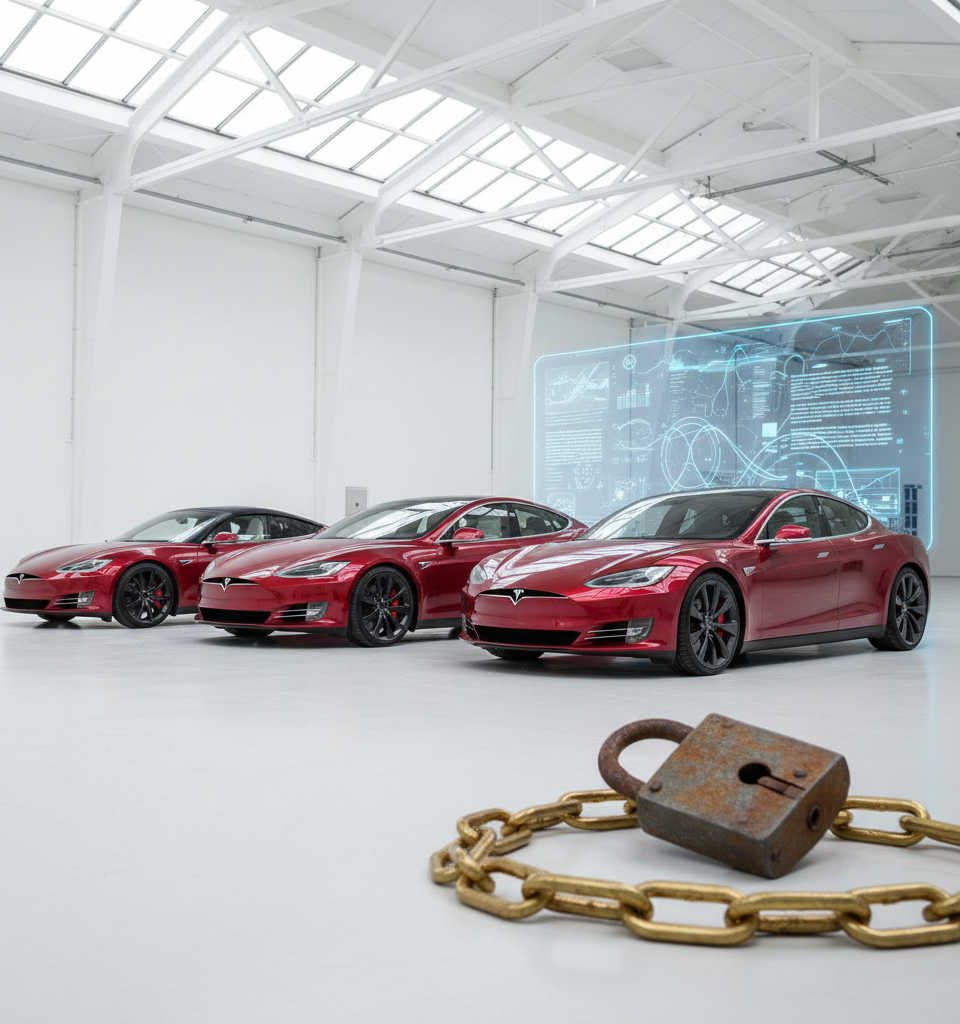
For enthusiasts and collectors eyeing the pinnacle of Tesla's early production luxury, the Signature Edition Model S and Model X represent more than just advanced electric vehicles; they embody a piece of automotive history. However, these coveted cars arrive with a suite of stringent conditions that could transform a collector's prized acquisition into a financial liability. Owners of these rare Tesla models face a mandatory one-year resale prohibition, a substantial $50,000 penalty for non-compliance, and rigorous buyback terms, significantly distinguishing them from standard Tesla purchases.
These restrictions underscore a unique approach by Tesla to manage the early market for its most exclusive vehicles. While the allure of owning a low-production, 'first-run' model is undeniable for many affluent buyers, the associated clauses introduce a layer of complexity not typically seen in the premium automotive sector. The imposed holding period and financial deterrents raise questions about consumer autonomy and the true cost of exclusivity. This strategy also reflects Tesla's historical tendency to exert significant control over its brand perception and product lifecycle, particularly during critical launch phases for groundbreaking models.
The Anatomy of the Resale Trap
The core of the issue lies in the contractual obligations accompanying the Signature Edition vehicles. Specifically, owners are barred from reselling their Model S or Model X within one year of purchase. Should an owner choose to bypass this restriction, they are subject to an explicit $50,000 penalty, a figure designed to heavily disincentivize early market flipping. Furthermore, the terms stipulate that Tesla retains certain buyback rights, adding another layer of control over the vehicle's secondary market dynamics. These conditions are exceptionally strict, especially when compared to the broader luxury car market, where such explicit post-purchase resale restrictions are rare, if not entirely absent.
The rationale behind such stringent rules is multifaceted. Tesla, at the time of these vehicles' introductions, was still a comparatively young automaker, heavily reliant on maintaining perceived exclusivity and controlling the narrative around its flagship models. Limiting early resales helps to prevent speculation and rapid depreciation, which could tarnish the brand image of groundbreaking, high-value products. It also allows Tesla to manage inventory and ensure that these early, foundational models accrue historical value rather than being treated as commodities for short-term profit. However, for the individual owner, these controls represent a substantial limitation on their property rights.
Market Dynamics and Collector Implications
The impact of these resale restrictions extends beyond individual owners, influencing the broader collector car market for electric vehicles. While the rarity and early production status of Signature Edition models naturally make them desirable, the contractual constraints introduce an element of risk and illiquidity. Collectors, who often value the freedom to buy and sell as market conditions dictate, must weigh the prestige of owning such a vehicle against its restricted tradability. This creates a niche within the collector market, appealing primarily to those with long-term ownership intentions rather than speculators.
For the industry, Tesla's approach could be seen as an aggressive tactic to cultivate brand loyalty and control secondary market values. It draws a stark contrast with traditional luxury automotive manufacturers, who generally rely on market forces and brand prestige to maintain resale values without explicit contractual enforcement. This strategy highlights Tesla's willingness to innovate not just in automotive technology, but also in its business model and customer relationships. The long-term implications for the perceived value trajectory of these Signature Edition models, once the resale bans expire, remain a subject of keen observation by analysts and enthusiasts alike.
Navigating the Future of Exclusive Ownership
Looking ahead, the experience of Signature Edition owners will serve as a valuable case study for the implications of tightly controlled automotive markets. As the one-year resale bans on these specific vehicles have largely run their course, the secondary market is gradually defining their true collectibility and value retention free from contractual penalties. However, the initial enforcement of these clauses has undoubtedly shaped the perception of ownership for these unique Teslas, ingraining a sense of long-term commitment. This could influence future limited-edition offerings from Tesla, or even inspire similar strategies from other luxury automakers looking to manage brand value and exclusivity in an increasingly dynamic market.
The critical question for prospective collectors, and indeed for Tesla as it continues to evolve its product offerings, revolves around the balance between exclusivity and owner freedom. While the Signature Edition vehicles undeniably represent a significant milestone in Tesla's journey, their accompanying resale restrictions have added a cautionary tale to their allure, proving that some of the most sought-after cars come with hidden complexities that extend far beyond their initial purchase price.