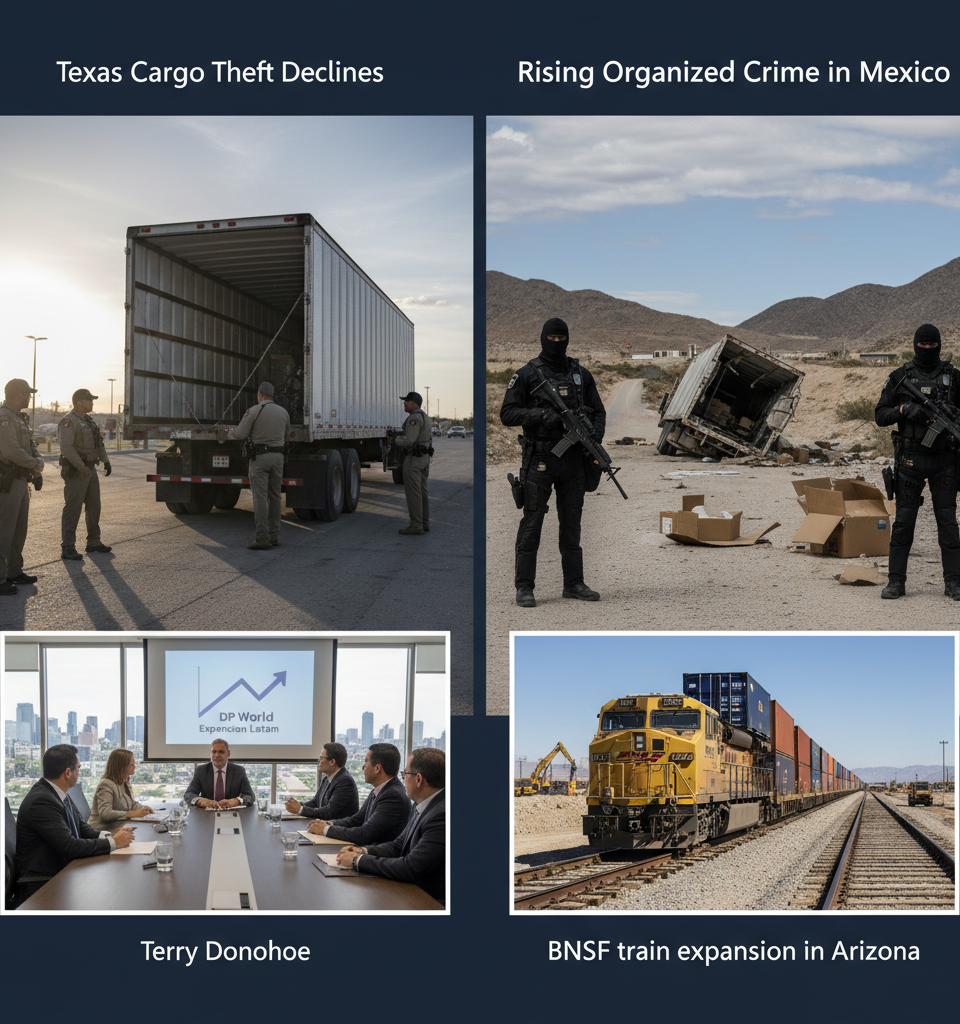
While cargo theft incidents in Texas have seen a significant reduction, falling approximately 20% year-over-year in 2023 according to data from various law enforcement agencies and insurance reports, the narrative across the border in Mexico presents a stark contrast with escalating organized crime. -Mexico trade corridor. The decrease in Texas is attributed to enhanced law enforcement collaboration, increased technological surveillance, and improved security protocols by trucking companies, yet the persistent threat south of the border continues to necessitate extreme vigilance and adaptive strategies for businesses relying on efficient cross-border freight movement.
The Cross-Border Crime Paradox
The apparent success in mitigating cargo theft within Texas borders stands in sharp relief against the backdrop of a worsening security landscape in key Mexican transit routes. Organized crime syndicates in Mexico are increasingly sophisticated, targeting high-value cargo such as electronics, pharmaceuticals, and consumer goods, often employing violent tactics. This surge in criminal activity creates a complex risk profile for international companies, driving up insurance premiums, increasing wait times at border crossings due to enhanced security checks, and forcing companies to invest heavily in advanced tracking and security systems. The economic impact extends beyond direct losses, affecting supply chain predictability and overall operational costs for businesses on both sides of the border.
Strategic Appointments and Infrastructure Boosts In a strategic move reflecting the growing importance of the
Mexican market despite its challenges, global port operator DP World has appointed Terry Donohoe as the new CEO of its Mexico operations. Donohoe, an industry veteran with extensive experience in logistics and port management, is tasked with overseeing DP World’s existing terminals in Veracruz and Lázaro Cárdenas, and potentially exploring new investment opportunities. This appointment underscores global logistics powerhouses' long-term commitment to the region, recognizing Mexico's pivotal role in global supply chains as a manufacturing hub and a gateway to North American markets. Simultaneously, BNSF Railway is bolstering its capacity at its Arizona rail hub, an initiative aimed at enhancing efficiency and accommodating increased freight volumes across the southwestern U.S. This infrastructure investment is critical for easing congestion and improving the flow of goods, particularly those originating from or destined for Mexican markets, providing a vital artery for cross-border trade.
Industry and Market Impact
The dual trends of decreasing theft in Texas and escalating crime in Mexico create a bifurcated impact on the logistics and transportation industry. Companies operating solely within Texas enjoy improved security, potentially leading to lower operational costs and enhanced reliability. However, those engaged in cross-border trade face an increasingly complex risk assessment. This situation is pushing companies to re-evaluate their supply chain routes, invest in advanced security technologies like GPS tracking, remote immobilization, and armed escorts within Mexico, and potentially pass on increased security costs to consumers. The enhanced BNSF capacity is a positive development, offering a more robust rail option that could help de-risk certain land routes by moving more cargo off the roads in high-risk areas.
Expert Analysis on Trade and Security
Security consultants and supply chain experts emphasize that while the Texas figures are encouraging, they should not obscure the systemic issues in Mexico. "The reduction in Texas cargo theft is a testament to focused law enforcement efforts and industry collaboration," stated Dr. Elena Rodriguez, a geopolitical risk analyst specializing in Latin American trade. "However, the challenge in Mexico is multifaceted, involving socio-economic factors and governance issues that require a more comprehensive, long-term approach beyond just increased security measures. Companies must develop robust contingency plans and collaborate closely with local authorities and private security firms." Analysts suggest that the continued investment by entities like DP World and BNSF indicates a strategic long-term view of Mexico's economic potential, recognizing that effective risk mitigation strategies can allow for growth even in challenging environments.
Future Outlook and Strategic Responses
The immediate future suggests a continued emphasis on adaptive security strategies for companies engaged in cross-border operations. We can expect to see further investment in technology-driven solutions, including real-time monitoring and predictive analytics to anticipate and avert theft attempts. Collaborative efforts between U.S. and Mexican law enforcement agencies are also anticipated to intensify, aiming to disrupt organized crime networks more effectively. For companies like DP World, the focus will be on leveraging their global expertise to optimize port operations and potentially expand their footprint, enhancing Mexico's logistical capabilities. The BNSF expansion in Arizona is indicative of a broader trend of infrastructure development aimed at creating a more resilient and efficient North American supply chain, vital for the continued growth of trade between the two nations despite the persistent security hurdles.