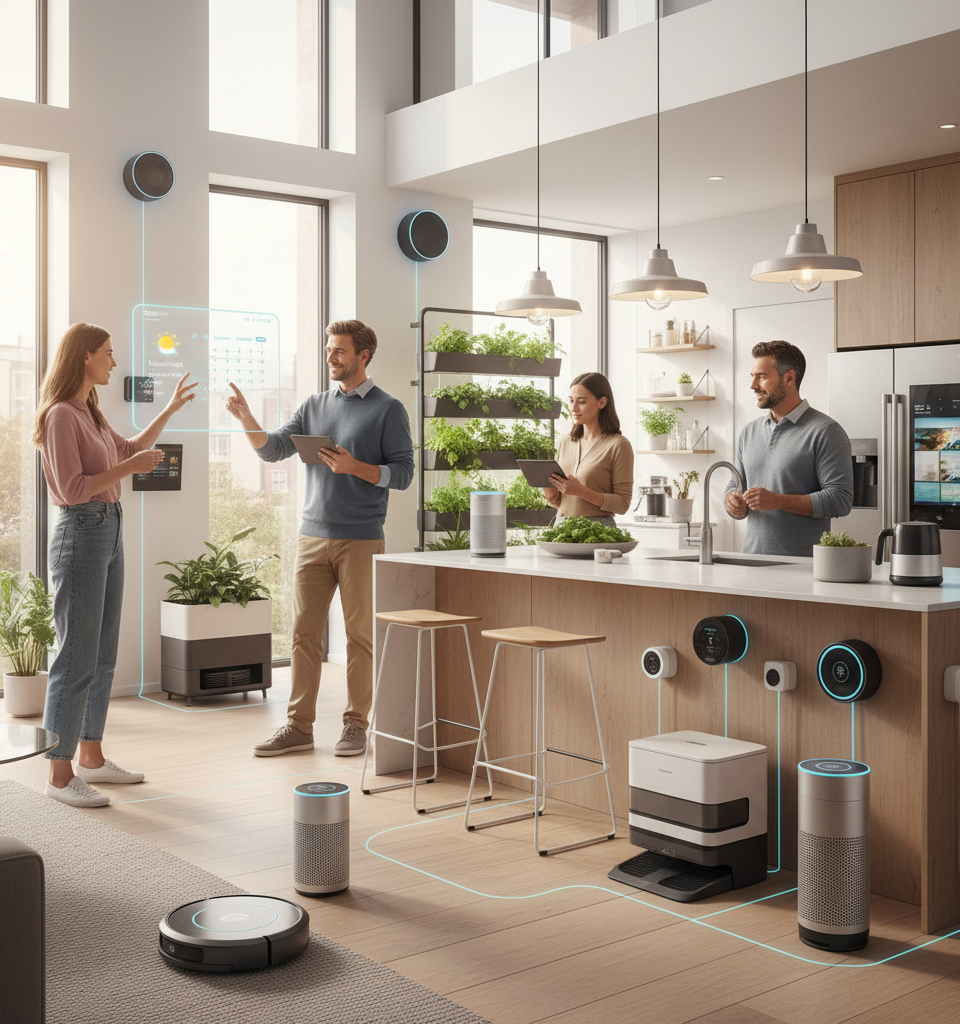
Leading smart home device manufacturers are increasingly prioritizing robust integration with Amazon's Alexa, including the recently evolved Alexa Plus AI, as a critical factor for market success in 2026. A multi-year testing regimen, focusing on Echos and a wide array of Alexa-compatible gadgets, reveals certain products stand out for their exceptional performance and user experience within the Amazon voice assistant framework.
The Evolving Landscape of Voice-Controlled Ecosystems
The smart home market continues its rapid expansion, with voice assistants acting as the central nervous system for an ever-growing network of connected devices. Amazon’s long-standing dominance with Alexa has been further solidified by the introduction of Alexa Plus AI, which promises enhanced natural language processing, more sophisticated routines, and a deeper understanding of user intent. This evolution necessitates a renewed assessment of which third-party devices genuinely leverage these advancements, moving beyond basic compatibility to offer a truly intuitive and efficient smart home experience. The goal for consumers is not just connectivity, but seamless, proactive interaction.
Identifying Peak Performance: A Rigorous Evaluation Process
For years, a dedicated team of testers has rigorously evaluated Echo devices and a broad spectrum of Alexa-enabled gadgets. This extensive testing framework has spanned multiple generations of Amazon's voice technology, culminating in the current evaluation against the capabilities of Alexa Plus AI. This long-term perspective allows for an understanding of not just current performance, but also the trajectory of device integration and the responsiveness of manufacturers to Amazon's platform updates. The focus has been on reliability, responsiveness, ease of setup, and the depth of voice control functionalities available through Alexa.
Key Characteristics of Top-Tier Alexa Plus Integration
Devices earning top marks in 2026 typically share several critical characteristics. Firstly, they offer low latency in response to voice commands, ensuring that actions are executed almost instantaneously. Secondly, they demonstrate comprehensive command sets, allowing users to control a wide array of functions through Alexa, rather than just basic on/off toggles. Thirdly, strong security protocols are paramount, given the proliferation of interconnected devices handling sensitive home data. Finally, seamless multi-device routines and automation capabilities, often facilitated by Alexa Plus AI's advanced learning algorithms, set these devices apart. These products are not merely compatible; they are designed to thrive within Amazon's smart home architecture.
Market Impact and Consumer Expectations
The ongoing commitment by major brands to optimize for Alexa and Alexa Plus AI signals a maturing market where consumers expect plug-and-play simplicity combined with sophisticated control. This trend impacts purchasing decisions significantly, as consumers increasingly prioritize devices that integrate effortlessly into their existing Amazon-centric smart home setups. Manufacturers who fail to keep pace with Amazon’s advancements risk losing market share to competitors offering more integrated and responsive solutions. The competitive landscape is driving innovation, particularly in areas like localized processing and enhanced AI inference at the edge, reducing reliance on cloud computing for routine tasks.
The Future of Voice and AI Integration
Looking ahead, the synergy between smart devices and advanced AI like Alexa Plus is expected to deepen. Future iterations will likely see an even greater emphasis on proactive assistance, where the AI anticipates user needs and automates tasks without explicit commands. This includes more sophisticated environmental sensing and adaptable routines that learn from user behavior over time. The insights gained from years of testing Echo and Alexa devices provide a roadmap for what consumers can anticipate: a smart home that is not just responsive, but anticipatory and genuinely intelligent. The push towards more intuitive and less command-driven interaction will define the next phase of smart home evolution.
Strategic Implications for Manufacturers
For hardware manufacturers, maintaining and advancing compatibility with platforms like Alexa Plus AI is no longer a secondary feature but a core development imperative. Investment in developer resources for Amazon's SDKs, participation in early access programs, and a keen understanding of Amazon's ecosystem roadmap are crucial. Products that can leverage Alexa Plus AI's contextual awareness and predictive capabilities will gain a significant competitive edge, allowing them to differentiate in a crowded market. The focus must shift from mere connectivity to providing deeply integrated and value-added experiences that leverage the full power of Amazon's evolving AI platform.