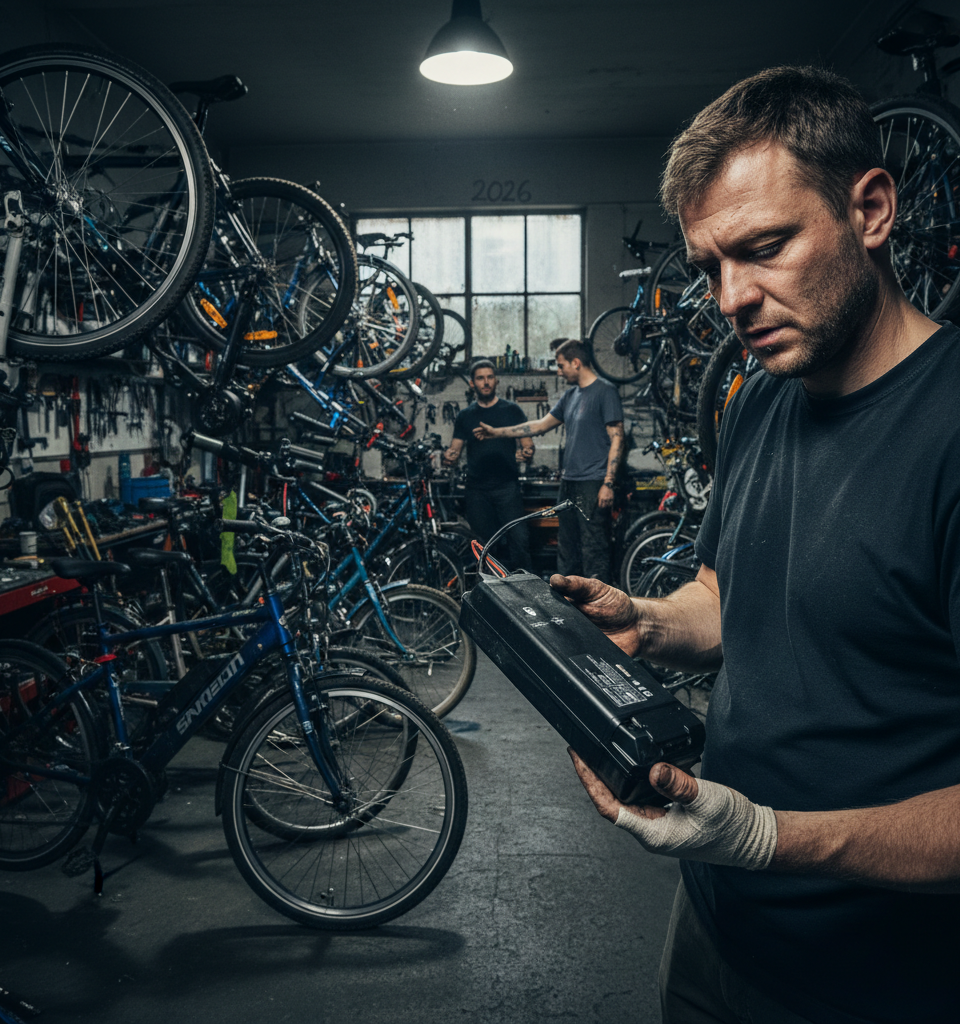
San Francisco, CA – March 15, 2026 – Bike repair shops across North America are sounding the alarm over a burgeoning crisis in the electric bicycle (e-bike) industry. Mechanics, often independent small business owners, are reporting an alarming increase in injuries, including lost fingers, and significant financial losses due to the proliferation of cheaply manufactured and unstandardized e-bikes. This critical issue, impacting an estimated 60% of independent bike shops by early 2026, stems primarily from a lack of universal repairability standards and the influx of models with dubious safety certifications, creating a professional hazard for those tasked with their maintenance.
This escalating problem isn't merely a logistical challenge; it represents a fundamental threat to the sustainability of local bike repair ecosystems and, by extension, the broader adoption of e-bikes as a viable transportation solution. The rapid ascent of e-bike sales, projected to reach 77 million units globally by 2026, has outpaced regulatory frameworks and manufacturing consistency. Early 2020s saw a surge in direct-to-consumer e-bike brands, many prioritizing low cost over long-term reliability or standardized components, mirroring historical issues seen in other rapidly evolving consumer electronics sectors.
Key details reveal a grim reality for technicians. A recent survey by the National Bicycle Dealers Association (NBDA) indicated that 72% of their member shops have declined e-bike repairs in the past year due to safety concerns or the inability to source parts. Moreover, 15% of shop owners reported an average of $5,000 per year in uncompensated diagnostic time due to proprietary systems and non-serviceable components. Incidents of battery fires during repair – often linked to unregulated lithium-ion packs – have risen by 300% since 2023, while mechanical failures, particularly involving compromised wiring and subpar brakes, have resulted in at least 50 documented severe mechanic injuries nationwide in 2025 alone, including several amputations.
The broader industry impact is substantial. Rider confidence is eroding as consumers realize the long-term cost implications and potential safety risks of unrepairable e-bikes. This 'throwaway culture' directly contradicts the environmental and economic benefits touted by e-bike advocates. Major e-bike brands like Specialized and Trek, whose products are generally built to higher repairability standards, are struggling to differentiate themselves from the flood of low-cost competitors, even as their dealers benefit from more straightforward service protocols. The lack of clear third-party certification for repairability and safety has created a confusing market for consumers, who are often ill-equipped to assess the quality of their purchase.
Industry experts are united in their call for systemic change. "The wild west era of e-bike manufacturing needs to end," states Dr. Eleanor Vance, a leading analyst in sustainable transportation at the Institute for Urban Mobility. "Without common standards for battery safety, component interchangeability, and clear diagnostic protocols, we are jeopardizing consumer safety and the livelihoods of skilled technicians. We need a 'Right to Repair' for e-bikes, coupled with mandatory, visible safety certifications from independent bodies." Financial analysts from market intelligence firm Future Mobility Insights estimate that addressing these repairability issues could boost the global e-bike aftermarket by up to $1.2 billion annually by 2030, currently stifled by the inability to service many existing models.
Looking ahead, several initiatives are gaining traction. The "E-Bike Safety & Repairability Act of 2026" is currently under review in the U.S. Congress, proposing mandatory UL certification for all e-bike batteries and motors sold in the country, alongside requirements for manufacturers to provide repair manuals and spare parts for a minimum of five years post-sale. Concurrently, a consortium of leading e-bike manufacturers and industry associations, supported by groups like PeopleForBikes, are developing a voluntary 'E-Standard' label, aiming to provide consumers with transparent information regarding repairability and safety testing. The hope is that these legislative and industry-led efforts will coalesce to create a safer, more sustainable e-bike market, protecting both the riders and the dedicated mechanics who keep them rolling.