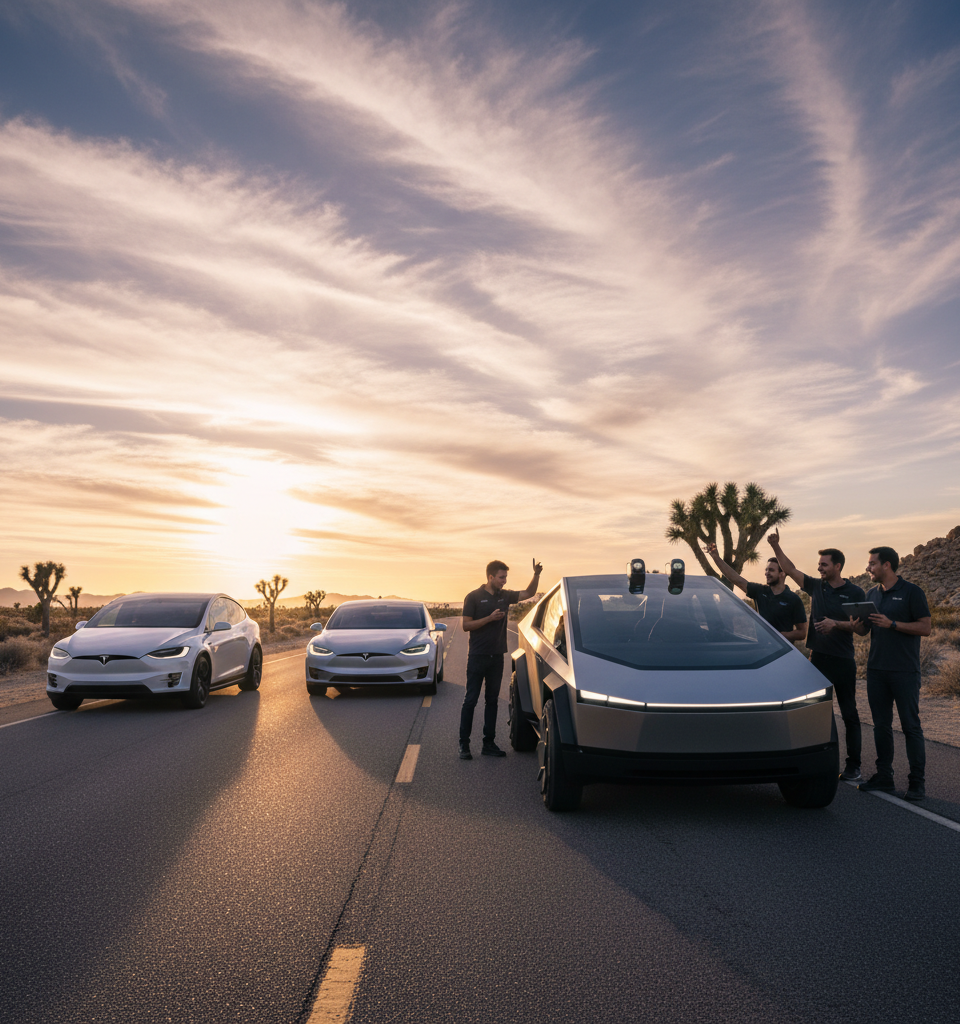
PALO ALTO, CA – As of May 19, 2026, Tesla Inc. appears to be on the precipice of a profound transformation, with indications suggesting the imminent conclusion of production for its flagship Model S sedan and Model X SUV. This strategic pivot marks a decisive departure from the vehicles that once defined its luxury electric vehicle segment, heralding an aggressive shift towards what the company evidently views as its future pillars: the autonomous Cybercab network and the Optimus humanoid robot platform.
The reported cessation of Model S and Model X production is not merely an operational adjustment but represents a fundamental re-evaluation of Tesla's core business model and product portfolio. These vehicles, instrumental in establishing Tesla's brand and market presence in the early and middle 2010s, are seemingly being phased out to reallocate resources and engineering focus towards more speculative, yet potentially exponentially lucrative, ventures. This move is indicative of a broader industry trend where legacy automakers are grappling with the rapid evolution of technology and the emergence of new mobility solutions.
Implications for Tesla's Future Trajectory
The strategic implications for Tesla are substantial. By reportedly sunsetting the Model S and Model X, the company is effectively trimming its most established, albeit often niche, product lines. This decision frees up significant manufacturing capacity, engineering talent, and financial capital that can be channeled directly into the ambitious development and deployment of the Cybercab and Optimus projects. The inherent risk in this strategy is clear: it places an immense bet on the successful, large-scale implementation of technologies that are still largely in their nascent stages of commercial viability.
The Cybercab initiative is envisioned as Tesla's entry into the autonomous ride-hailing market, a sector projected to revolutionize urban transportation. The success of this venture hinges on Tesla's ability to perfect its full self-driving (FSD) technology, secure regulatory approvals across diverse jurisdictions, and establish a robust operational infrastructure. Similarly, the Optimus robot represents an audacious foray into general-purpose AI and robotics, with the potential to transform industrial automation, logistics, and even household assistance. Mass production and widespread adoption of Optimus would open entirely new revenue streams and market segments for Tesla, moving it beyond merely an automotive manufacturer.
Market Dynamics and Investor Sentiment
This shift is likely to elicit varied reactions from market analysts and investors. While some may laud the company's bold vision and willingness to disrupt its own successful product lines in pursuit of future growth, others might express caution regarding the high-risk, high-reward nature of these new ventures. The transition away from proven revenue generators like the Model S and X towards unestablished, albeit groundbreaking, technologies introduces a period of heightened uncertainty. Tesla's stock performance and valuation will undoubtedly be closely scrutinized as the market attempts to quantify the potential upside against the execution risks involved.
The broader electric vehicle market is also undergoing significant changes, with increased competition from traditional automakers and new entrants globally. By reportedly divesting from its older luxury models, Tesla may be aiming to avoid direct competition in maturing segments and instead carve out new, uncontested markets with its advanced technologies. This strategy underscores a belief that the next generation of value creation will come from fully autonomous mobility solutions and general-purpose robotics, rather than incremental improvements to personal vehicle ownership.
The Road Ahead for Cybercab and Optimus
For the Cybercab and Optimus projects, the coming months and years will be critical. Successful mass production of Optimus presents a significant manufacturing challenge, while the widespread deployment of Cybercab requires overcoming not only technological hurdles but also complex regulatory and societal acceptance issues. The ability of Tesla to scale these initiatives effectively and efficiently will determine the success of this monumental strategic pivot. The company's track record of innovation and aggressive product development suggests it is well-equipped to tackle these challenges, but the scale of these new endeavors is unprecedented, even for Tesla. All indications suggest that the company's future trajectory will be inextricably linked to the performance and market penetration of these two ambitious new platforms, marking the beginning of what Tesla hopes will be a new era of technological dominance.