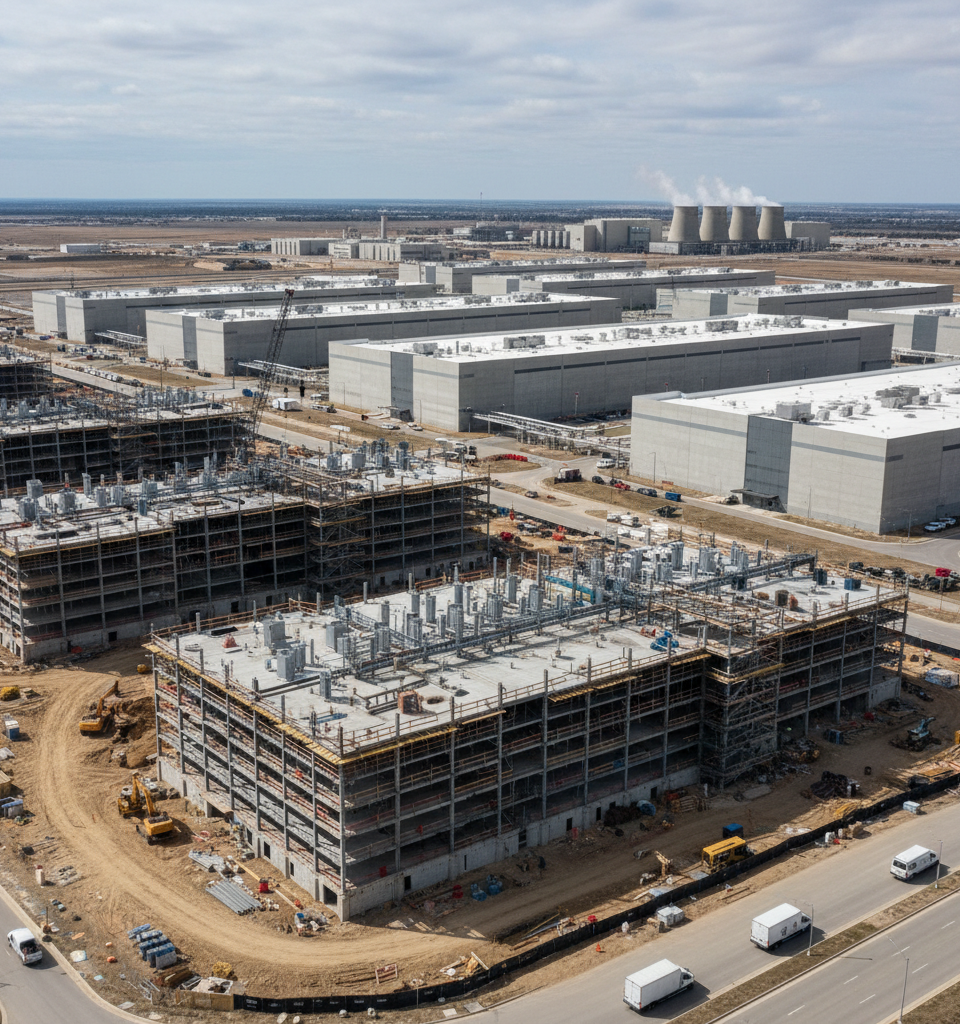
For owners of luxury properties across Malibu, Calabasas, and Bel Air, this immense capital infusion into data centers signifies a critical underpinning for the digital infrastructure supporting their increasingly connected lifestyles. The expansion of these facilities ensures robust networks for smart homes, remote work, and high-demand entertainment, directly impacting the desirability and technological capability of premium residences in these areas.
A comprehensive nationwide analysis, encompassing 4,296 data center facilities, has pinpointed the fifteen leading lenders driving the explosive growth within this critical digital infrastructure sector. These financial powerhouses are collectively channeling substantial capital into the industry, underscoring the formidable investment momentum behind the digital backbone of the modern economy.
The Architects of Digital Expansion
The identified lenders are instrumental in facilitating the unprecedented expansion of data center capacity across the United States. Their collective involvement illuminates the massive scale of capital infusion propelling the industry forward, enabling the construction and operation of facilities that house the servers, networking equipment, and storage systems essential for the digital age. This financial commitment is crucial given the escalating demands for cloud computing, artificial intelligence, and big data processing, all of which require robust and expansive data center infrastructure.
Unpacking the $1.3 Trillion Debt Surge
The headline figure of a $1.3 trillion debt surge reflects the immense financial appetite for data center projects. This capital is being deployed across a diverse range of facilities, from hyperscale campuses supporting tech giants to smaller colocation centers serving various enterprises. The lending landscape is characterized by a mix of traditional banks, specialized infrastructure funds, and institutional investors, all vying for a share in this high-growth sector. Their financing structures often include a combination of project finance, corporate loans, and securitized debt, tailored to the specific risk profiles and revenue streams of data center operations.
Industry Implications and Market Dynamics
The aggressive lending patterns indicate strong confidence in the long-term prospects of the data center industry. This financial backing is not merely facilitating expansion; it is also shaping market dynamics. Increased access to capital can lead to more rapid development cycles, foster greater competition, and potentially drive down the cost of data center services in the long run. However, it also raises questions about market saturation and the potential for increased leverage within the sector, which will be closely monitored by industry analysts.
Anticipating Future Trends
Looking ahead, the sustained involvement of these top lenders suggests continued robust growth for the data center market. Future developments are likely to include further consolidation within the industry, as larger players leverage their capital access for strategic acquisitions. Additionally, the increasing focus on sustainability will likely influence future lending criteria, with a premium placed on energy-efficient designs and renewable energy integration. The financial community's deep engagement signals a strategic bet on the enduring importance of digital infrastructure as the foundation of global commerce and communication.
The Role of Strategic Investments
Each of the fifteen identified lenders plays a pivotal role in this ecosystem, providing the necessary financial lubrication for innovation and expansion. Their investment strategies are not monolithic; some may focus on established players with proven track records, while others might target emerging technologies or specific geographic markets experiencing high growth. This nuanced approach collectively ensures that the diverse needs of the data center industry, from land acquisition and construction to technology upgrades and operational scaling, are adequately met by capital providers.
Economic Ripple Effects
Beyond the immediate impact on the digital infrastructure sector, this $1.3 trillion debt surge has broader economic implications. It stimulates job creation in construction, engineering, and IT services, and drives demand for advanced hardware and software. The robust build-out of data centers also underpins the expansion of other technology-dependent industries, from fintech to entertainment streaming, creating a multiplier effect throughout the economy. The identified lenders are thus not just financing facilities; they are investing in the foundational elements of future economic growth and digital transformation.