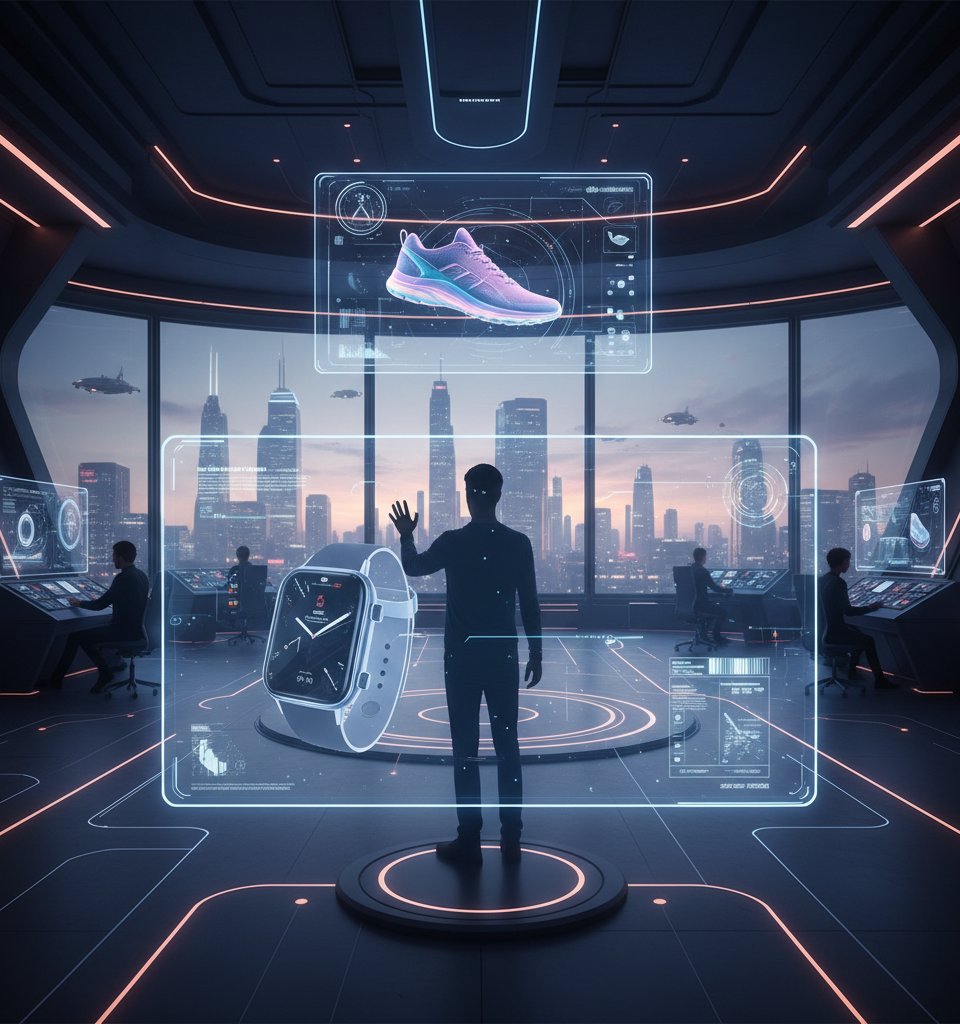
The intersection of retail and digital content generation is poised for disruption, with the potential for virtual product placement to redefine how brands engage consumers. This technological shift could significantly lower logistical barriers for product promotion, widening market access for creators and businesses globally.
The premise under consideration revolves around the possibility of livestreamers engaging in product placement activities without the need for physical products. This concept is emerging as a natural evolution within the live commerce landscape, where showing and telling has historically been a powerful sales driver. From traditional market hawkers to modern-day QVC hosts, the real-time demonstration by a human presenter has proven highly effective in generating sales.
The Power of Live Commerce
Live content’s ability to spur purchasing decisions is undeniable. Recent data from TikTok Shop highlighted this trend, reporting that a substantial 94% of its high-value luxury products saw sales driven by livestream engagements. This figure underscores the critical role that real-time human interaction plays in converting viewers into customers, especially for premium goods.
Historically, the success of live commerce platforms, particularly those in China, has showcased the immense financial potential of this model. These fast-paced, multibillion-dollar social streams have perfected the art of immediate product gratification. The core appeal lies in the authenticity and direct interaction offered by live presenters, who can answer questions, demonstrate features, and build trust in real time.
A Paradigm Shift for Product Integration
The hypothetical scenario of product placement without physical items introduces a paradigm shift. If this model were to materialize, it could bypass the logistical complexities and costs associated with shipping, inventory management, and returns of physical samples. For brands, this might mean quicker campaign launches and greater flexibility in showcasing a wider range of products, including those still in development or highly customized.
For livestreamers and content creators, the ability to virtually place products could unlock new revenue streams and creative opportunities. They might integrate items into their streams seamlessly, perhaps even projecting digital models of products into their physical environments or using augmented reality filters. This flexibility could allow creators to work with more brands, diversifying their sponsorships and content without being constrained by physical inventory.
Potential Industry Impact
The broader industry impact could be transformative. This innovation might accelerate the adoption of virtual and augmented reality technologies within e-commerce. It could also lead to new standards for digital rights management and intellectual property protection for virtual product assets. Retailers and technology companies would likely invest heavily in developing sophisticated rendering and integration tools to facilitate this kind of virtual product placement.
Furthermore, this development could democratize product promotion. Smaller brands or startups with limited physical inventory might gain access to a powerful marketing channel previously dominated by larger corporations. This could foster greater competition and innovation in the product development and marketing spheres.
Looking Ahead
As of 2026-09-19, this concept remains a speculative but compelling vision for the future of digital retail. The underlying technologies for virtual product integration are rapidly advancing, and the proven commercial success of live streaming suggests that platforms and brands will continue to seek innovative ways to connect products with consumers. The next few years could see significant investment and experimentation in virtual product placement, potentially reshaping how we shop online.