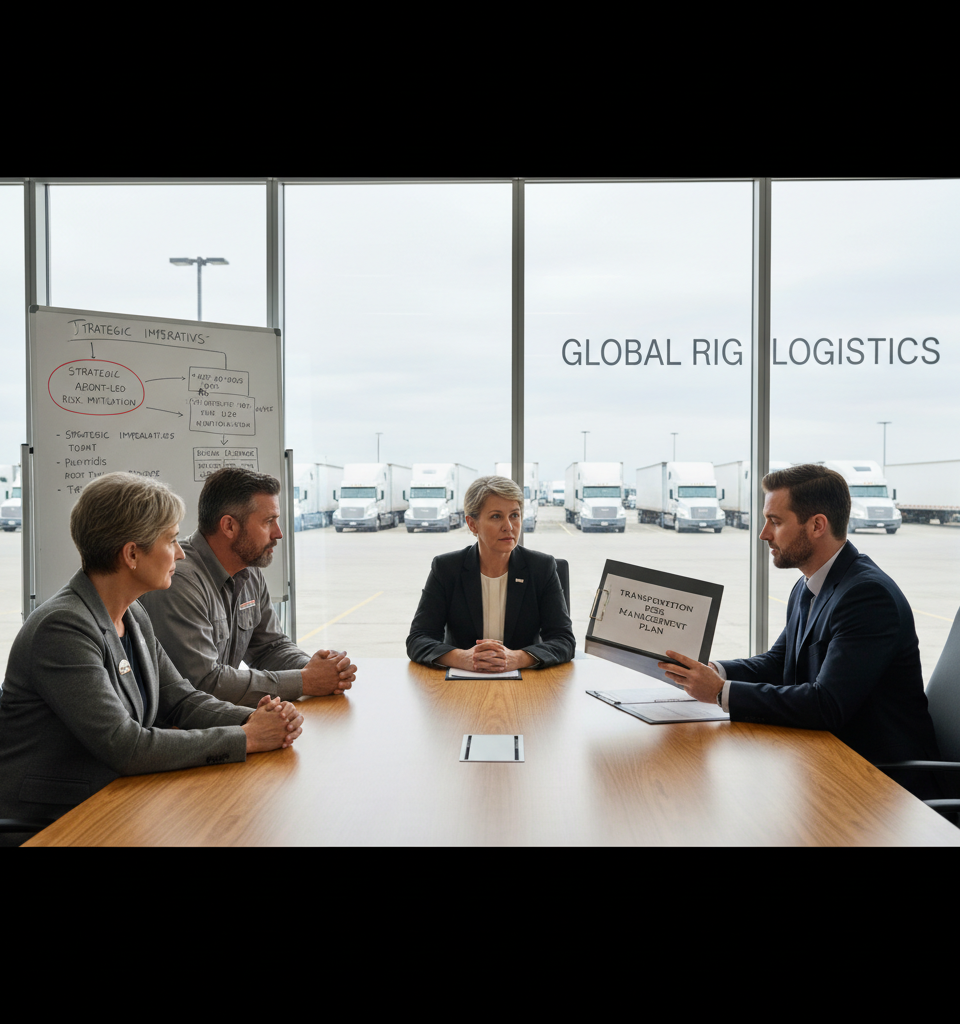
Trucking companies often make the critical error of treating insurance as a necessary evil rather than a strategic partnership, a mindset that can lead to substantial financial losses and operational instability. This prevailing attitude, where insurance is considered solely upon premium due dates or following an accident, overlooks the profound impact a dedicated insurance agent can have on a carrier’s long-term viability and profitability, according to insights from industry professionals.
The Overlooked Value of Expertise
The conventional approach of simply purchasing an insurance policy, often driven by the lowest initial cost, fundamentally misunderstands the complex risk landscape of the trucking industry. Unlike other sectors, trucking faces unique liabilities ranging from cargo damage and driver accidents to regulatory compliance and rapidly evolving technologies. Without an expert guide, companies risk being underinsured, improperly covered, or, conversely, overpaying for irrelevant protections. Jessica Howington of United Commercial Insurance emphasizes that this transactional view of insurance is a "biggest mistake" many carriers make, potentially costing them significantly more than just higher premiums.
Beyond the Premium: True Costs of Inadequate Coverage
The financial implications of an inadequate insurance strategy extend far beyond the immediate premium. A catastrophic accident, for instance, without the correct coverage, could lead to crippling out-of-pocket expenses for litigation, settlements, and vehicle replacement. Beyond direct financial outlays, there are indirect costs such as reputation damage, lost contracts due to inability to meet coverage requirements, and increased administrative burdens associated with managing claims and compliance issues. An experienced insurance agent acts as a proactive risk manager, identifying potential vulnerabilities before they manifest into costly problems.
Industry Impact: A Shifting Risk Landscape
The trucking industry is currently navigating a period of heightened scrutiny and increasing operational risks. Supply chain fragmentation, rising accident rates, and the escalating cost of medical and vehicle repairs all contribute to a more challenging insurance environment. Furthermore, evolving regulatory standards for driver qualifications, vehicle maintenance, and emissions continue to add layers of complexity. In this dynamic landscape, a seasoned insurance agent provides invaluable guidance, ensuring carriers remain compliant and adequately protected against both current and emerging threats.
Expert Perspective: A Strategic Partnership
Experts like Howington advocate for viewing an insurance agent not as a salesperson, but as a strategic business partner. This partnership extends beyond policy issuance to include ongoing risk assessment, claims advocacy, and proactive advice on safety protocols and loss prevention. A dedicated agent can negotiate better terms, identify niche coverage options, and provide crucial support during the claims process, ultimately minimizing downtime and financial impact after an incident. Their deep understanding of the trucking sector allows for tailored solutions that genuinely meet a company’s specific needs.
Proactive Strategies for Sustainable Operations
For trucking companies looking to thrive in an increasingly competitive and regulated market, a shift toward a more proactive insurance strategy is paramount. This involves engaging with an insurance agent who understands the nuances of the freight industry and can offer comprehensive risk management solutions. By investing in this expertise, carriers can not only protect their assets and personnel but also optimize their operational efficiency and secure a more stable financial future. The long-term benefits of this strategic approach far outweigh the perceived savings of a minimalist insurance procurement strategy.
What’s Next: Embracing a Holistic Approach
Looking ahead, the trend suggests a move towards more integrated risk management systems within the trucking sector. Companies are expected to increasingly prioritize agents who offer a consultative approach, providing insights into best practices for safety, driver training, and technology adoption aimed at reducing risk. This holistic view of insurance, moving beyond mere policy acquisition to encompass comprehensive risk mitigation, will be a defining characteristic of successful trucking operations in the coming years. Those who fail to adapt to this strategic imperative risk facing disproportionately higher costs and operational challenges.