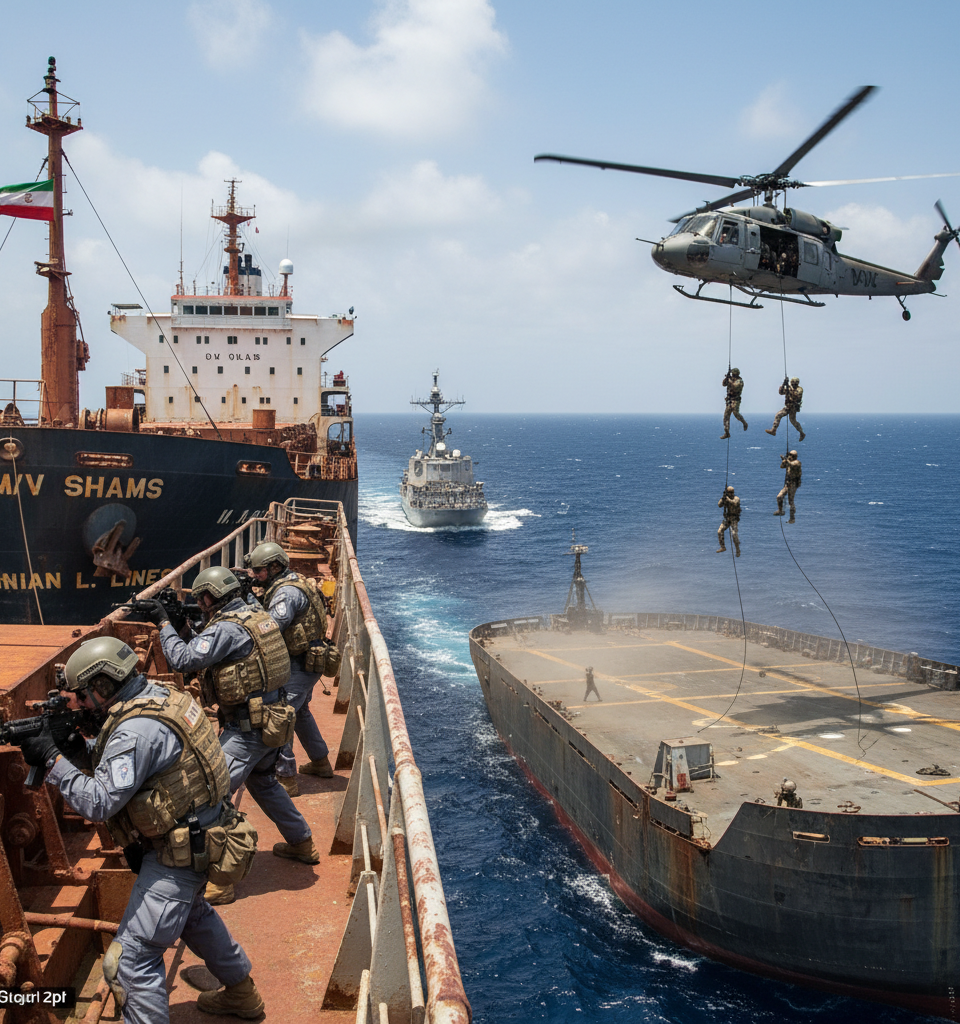
The United States Navy is reportedly readying boarding parties for the potential seizure of Iran-linked commercial vessels, a significant escalation in ongoing maritime friction. This aggressive posture, aimed at enforcing sanctions and countering illicit activities, is being closely mirrored by intensive training exercises involving U.S. Marines, who are refining their skills in maritime interception and raid operations. The readiness of these highly specialized units points to a proactive strategy to disrupt alleged Iranian illicit shipping, particularly in critical chokepoints.
Escalating Tensions and Strategic Implications
This development emerges against a backdrop of escalating tensions in the Persian Gulf and surrounding regions, a vital corridor for global energy trade. For years, the U.S. and its allies have accused Iran of violating international sanctions through clandestine oil sales and arming proxy groups via maritime routes. The decision to potentially employ direct vessel interdiction marks a more forceful approach than previous sanctions enforcement, which primarily focused on intelligence gathering and diplomatic pressure. Such actions carry substantial geopolitical weight, raising questions about international law, freedom of navigation, and the potential for direct confrontation.
Sources close to the U.S. defense establishment, speaking on background due to the sensitive nature of operations, indicate that specific legal frameworks are being explored to justify these seizures under international maritime law, likely pertaining to sanctions violations, illicit cargo, or state-sponsored terrorism. These operations are not merely about seizing cargo; they are complex endeavors involving careful intelligence work, tactical execution, and diplomatic messaging. Marine units, such as those embarked on amphibious assault ships, are undergoing rigorous drills involving mock ship boarding, close-quarters combat, and rapid cargo assessment, emphasizing the multifaceted nature of these potential missions.
Economic and Market Ramifications
The implications for the global shipping industry and energy markets are profound. Any direct interference with commercial shipping lanes, regardless of the vessel's origin or destination, introduces a new layer of risk for insurers, charter companies, and commodity traders. An uptick in seizures could lead to increased shipping costs, higher insurance premiums for routes transiting the Persian Gulf, and potentially impact oil prices if supply stability is perceived to be under threat. Furthermore, the precedent set by such seizures could prompt other nations to reassess their own maritime security doctrines and engagement rules in contested waters.
Industry analysts are cautiously assessing the potential fallout. Dr. Helena Vance, a maritime security expert at the Royal United Services Institute, notes, "While the immediate goal is to enforce sanctions, the broader impact extends to the global supply chain. Uncertainty breeds volatility, and even the threat of such actions can reroute shipping or make certain voyages prohibitively expensive." She adds, "The legal intricacies of seizing a vessel on the high seas, especially one flying a flag of convenience, are immense and could lead to protracted disputes."
Expert Perspectives and Legal Challenges
Legal experts are scrutinizing the potential legal grounds for such seizures. International law provides for intervention in cases of piracy, armed conflict, or specific UN Security Council resolutions. However, unilateral seizures based solely on national sanctions against a state not officially at war with the seizing power present a more complex legal landscape. Claims of self-defense or counter-terrorism could be invoked, but each case would likely face intense scrutiny from international bodies and rival nations. The U.S. would undoubtedly aim to demonstrate clear evidence of illicit activity to garner international legitimacy for any such operation.
Looking ahead, the immediate future hinges on intelligence assessments and political directives. While specific timelines for these operations remain undisclosed, the overt training and reported readiness signal a clear warning to those engaged in illicit trade with Iran. The coming months will likely see continued surveillance, potential interdictions, and perhaps a diplomatic push to reinforce the legal justifications for these assertive maritime actions. The U.S. strategy appears to be a calculated gamble: to increase pressure on Iran without triggering a broader regional conflict, all while safeguarding freedom of navigation for legitimate international commerce. The balance, however, remains inherently delicate in such a volatile region.