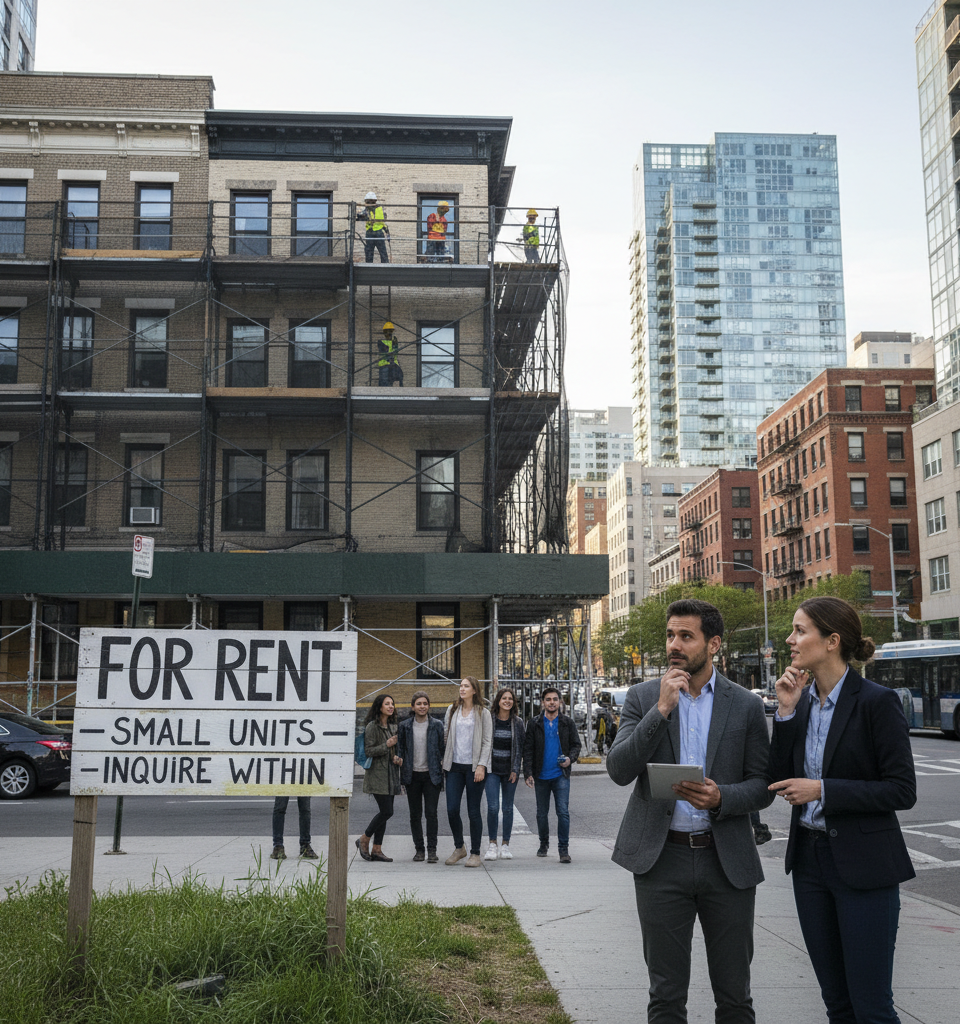
The rental housing market is facing a significant shift, with a notable decline in the availability of entry-level rental properties. This phenomenon is occurring even as the market sees a proliferation of new, amenity-rich rental communities, highlighting a growing disparity in housing options. For small investors, this evolving landscape presents a distinct opportunity to cater to a demographic increasingly underserved by conventional development trends.
The Disappearing Starter Home Phenomenon
Historically, starter rentals have served as crucial stepping stones for individuals and families entering the housing market or seeking more affordable living solutions. These properties, often older and less lavish than their newer counterparts, provided accessible options for a broad segment of the population. Their gradual vanishing is not merely a statistical anomaly but a reflection of broader economic and development patterns. Developers are increasingly focusing on higher-end projects, driven by perceived greater returns and the ability to attract tenants willing to pay for extensive amenities. This strategy, while profitable for some, unintentionally leaves a significant void at the lower end of the rental spectrum.
Market Dynamics and Investor Positioning
The ongoing glut of newly constructed, amenity-filled rental communities, often characterized by their modern design and extensive features, stands in stark contrast to the shrinking inventory of starter rentals. This divergence illustrates a market prioritizing luxury and newness over affordability and accessibility. However, this very imbalance creates a strategic opening for smaller, independent investors. Unlike large institutional developers who might be constrained by the financial models requiring higher per-unit rents, small investors often have greater flexibility. They can acquire and rehabilitate older properties more efficiently, tailoring them to meet the demand for reasonably priced housing.
Impact on the Rental Landscape
This trend has substantial implications for the overall rental landscape. A scarcity of entry-level homes can exacerbate affordability crises, particularly in urban and burgeoning suburban areas. It limits options for young professionals, service industry workers, and growing families, potentially forcing them into less ideal living situations or out of certain communities altogether. The absence of these foundational rental units can also impact local economies by making it harder for essential workers to live near their jobs. The market is effectively becoming bifurcated, with abundant high-end options but dwindling accessible ones.
The Opportunity for Savvy Small Investors
Small investors are uniquely positioned to intervene in this evolving market. Their ability to identify undervalued properties, engage in cost-effective renovations, and manage properties with a more personalized approach equips them to fill the void left by large-scale developers. By focusing on neglected or older housing stock, these investors can revitalize communities while simultaneously providing much-needed affordable rental options. This not only offers a viable business model but also addresses a critical social need, fostering more diverse and stable housing environments.
Future Implications and Market Outlook
The continued disappearance of entry-level rentals suggests a future rental market that could become increasingly inaccessible without intervention. If current trends persist, the demand for affordable housing will only intensify, making the role of small investors even more pivotal. Their capacity to adapt quickly to local market conditions and focus on specific neighborhood needs allows them to serve as a crucial counterbalance to the dominant forces of large-scale, amenity-driven development. The long-term health of the rental market may depend on their ability to effectively fill this growing gap, ensuring a more balanced and equitable housing supply for all segments of the population.