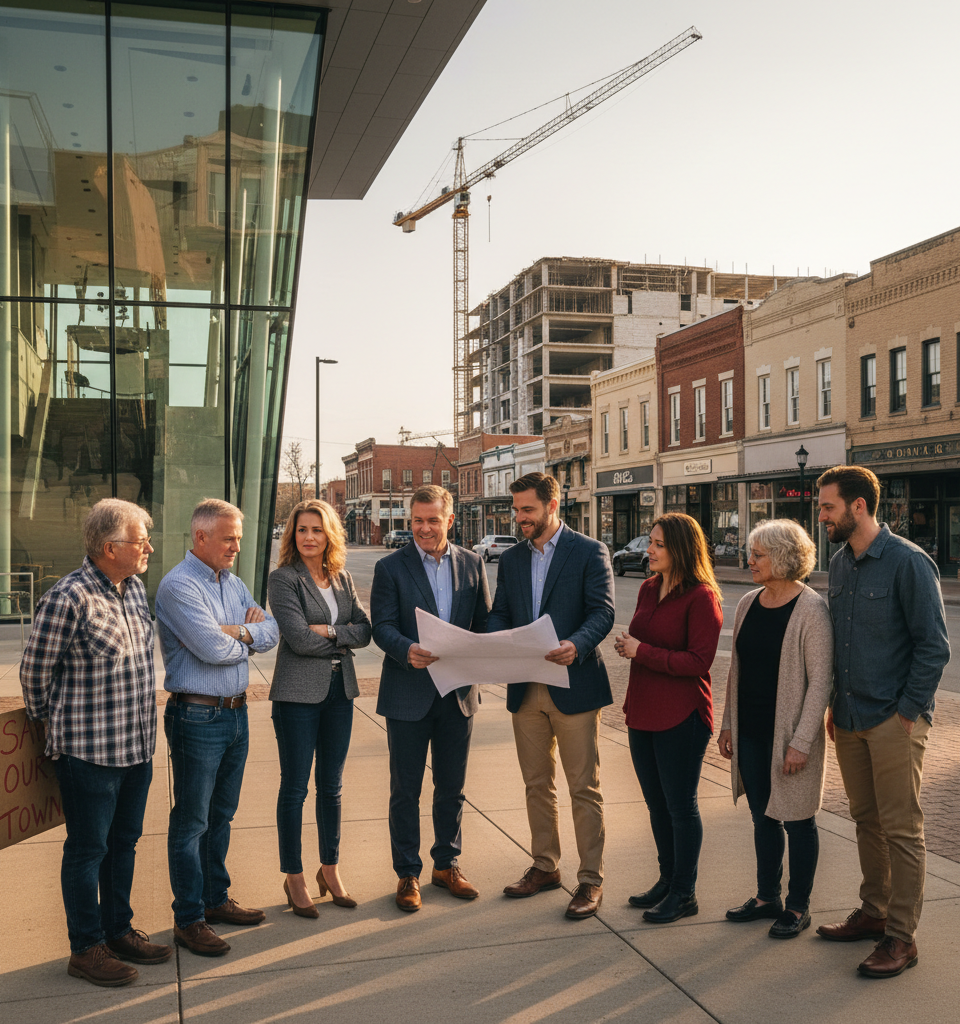
Bentonville, Arkansas, a city meticulously reshaped into a vibrant, bike-friendly metropolis, is reportedly experiencing a growing undercurrent of resentment directed at the very architects of its transformation: the heirs of the Walmart fortune, the Walton family. While outwardly a testament to philanthropic urban development, an increasing number of residents are expressing disquiet over the rapid changes and their associated socio-economic impacts, signaling a simmering backlash that challenges the narrative of unqualified success. The family's significant investments, aimed at creating a cultural and recreational hub, appear to be inadvertently fostering a sense of alienation among some segments of the local populace.
This emerging discontent is particularly noteworthy given the scale and scope of the Walton family's involvement in Bentonville. For decades, the family, through various foundations and personal investments, has poured vast resources into developing infrastructure, arts institutions, and extensive cycling networks, effectively remaking the former rural outpost into a modern, desirable locale. This top-down revitalization strategy has often been lauded as a model for corporate-philanthropic urban renewal, drawing tourists and new residents alike. However, the current situation suggests that even well-intentioned, large-scale interventions can generate unforeseen social frictions and economic disparities.
The Unintended Consequences of Urban Renewal
The core of the burgeoning resistance lies in the perceived displacement and cultural shifts occurring within Bentonville. While new amenities like world-class museums, extensive trail systems, and a burgeoning culinary scene have undeniably elevated the city's profile, they have also fueled a rapid escalation in living costs. Housing prices, in particular, have soared, making it increasingly difficult for long-time residents, especially those not directly benefiting from the new economy, to afford to stay in their hometown. This economic pressure is a significant factor contributing to the quiet backlash, as the benefits of the revitalized city appear unevenly distributed.
Furthermore, the influx of new residents attracted by the city's enhanced appeal and job opportunities, particularly those tied to the burgeoning tech and outdoor recreation industries, is altering the traditional social fabric of Bentonville. This demographic shift, while bringing new vibrancy, can also lead to a sense of loss and disconnection among established communities who feel their voices are being marginalized in the face of rapid, externally driven development. The contrast between the meticulously planned, modern aesthetic of the 'new' Bentonville and the community's historical roots is becoming a point of contention.
Broader Implications for Philanthropic Urbanism
The unfolding situation in Bentonville offers a critical case study for understanding the complex dynamics of philanthropic urbanism. While private investment can be a powerful catalyst for urban growth and improvement, it also highlights the potential for tension when such development outpaces community integration and equitable growth. The experience in Bentonville could serve as a cautionary tale for other cities considering large-scale, privately funded revitalization projects, emphasizing the importance of inclusive planning and addressing the socio-economic impacts on existing populations.
The broader industry implications extend to urban planners, real estate developers, and philanthropic organizations. It underscores the necessity of robust community engagement and impact assessments that go beyond economic metrics to include social and cultural well-being. Without such considerations, even the most generously funded projects risk generating antagonism rather than universal endorsement, undermining their long-term sustainability and social cohesion.
What Lies Ahead for Bentonville
Looking ahead, the Walton family and the city of Bentonville face a delicate balancing act. Addressing the burgeoning backlash will likely require a pivot towards more transparent communication, greater community participation in planning processes, and concrete initiatives aimed at mitigating affordability issues. Strategies could include investing in affordable housing programs, supporting local businesses, and ensuring that economic opportunities created by the new growth are accessible to all segments of the population, not just newcomers.
Failure to acknowledge and address these growing concerns could deepen the divide between the city's benefactors and its long-standing residents. The future trajectory of Bentonville will depend on whether its leaders can successfully integrate the aspirations of its original inhabitants with the vision of its transforming present, ensuring that the 'bike-friendly paradise' is truly inclusive for everyone who calls it home. The coming months are expected to reveal how the family and city officials choose to navigate these increasingly vocal challenges to their ambitious urban blueprint.