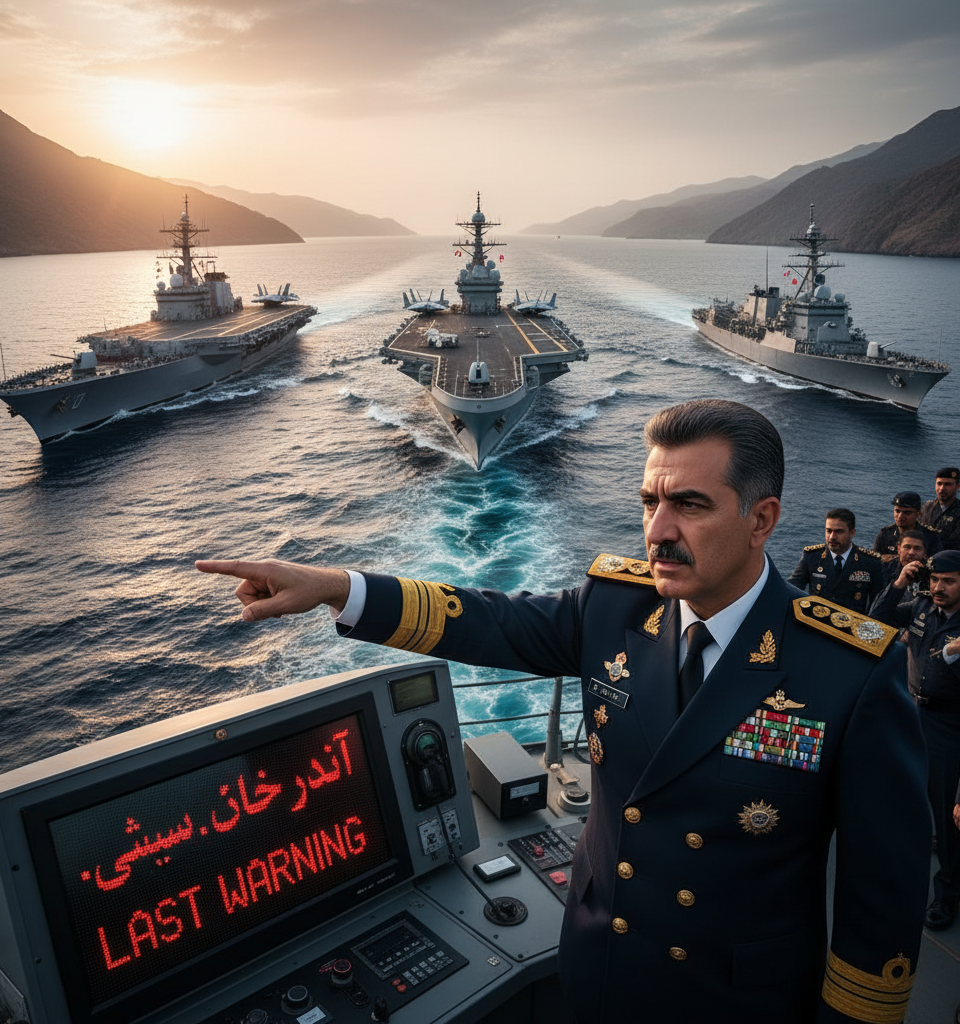
In a dramatic escalation of ongoing geopolitical tensions, Iran has issued what it terms a "last warning" to the United States, directly addressing the recent deployment of two U.S. destroyers into the strategically vital Strait of Hormuz. This naval maneuver is being interpreted by international observers as a significant challenge to regional stability and a clear signal from Washington regarding its commitment to freedom of navigation in the critical chokepoint.
Geopolitical Stakes in the Strait
The Strait of Hormuz, a narrow sea passage between the Persian Gulf and the Gulf of Oman, is one of the world's most important oil transit points. Its closure or disruption would have profound implications for global energy markets and international trade. The presence of U.S. warships in such a demonstrative fashion directly addresses a long-standing concern among commercial shipping operators: the perceived safety and unobstructed passage through the strait. The statement, "One of the things that commercial ships were waiting to see was whether or not this strait was clear, and sailing two destroyers in is a big one," underscores the immediate impact of this naval action on maritime commerce.
A History of Tensions and Transit
This latest development is set against a backdrop of decades of intermittent but often intense friction between Iran and the United States concerning the Strait of Hormuz. Iran has, on multiple occasions, threatened to close the waterway in response to international sanctions or perceived threats. The U.S., along with its allies, has consistently affirmed its commitment to maintaining the strait as an international waterway open to all legitimate maritime traffic. The deployment of two destroyers is not merely a symbolic gesture; it represents a tangible projection of naval power aimed at deterring any potential attempts to impede shipping.
Implications for Commercial Shipping
For the global shipping industry, the clarity and security of the Strait of Hormuz are paramount. Prolonged uncertainty or disruptions can lead to significant increases in insurance premiums, re-routing of vessels, and ultimately, higher costs for consumers worldwide. The U.S. Navy's action aims to provide assurances to the commercial shipping sector that the strait remains viable. However, Iran's sharp retort introduces a new layer of risk, prompting concerns about potential miscalculation or escalatory actions from either side that could jeopardize maritime safety.
Regional Instability and International Response
The current standoff has the potential to ripple across the broader Middle East. Regional allies of the United States are likely to view the destroyer deployment as a sign of Washington's commitment to their security interests, while nations aligned with Iran may see it as an act of provocation. The international community will be closely watching for any further statements or actions from Tehran and Washington, as well as the reactions from other major maritime powers and oil-importing nations. The rhetoric surrounding a "winner-take-all" situation further emphasizes the high stakes involved in this latest chapter of the Hormuz saga.
The Path Forward: Diplomacy or Deterrence?
The immediate future of the Strait of Hormuz will depend heavily on the next steps taken by both the United States and Iran. While the U.S. appears to be pursuing a strategy of deterrence through presence, the Iranian response suggests a hardened stance. The crucial question remains whether diplomatic channels, however strained, can mitigate the risks inherent in such a direct confrontation. The effectiveness of the U.S. maneuver in assuring commercial vessels of the strait's safety will ultimately be judged by sustained, peaceful transit rather than the immediate show of force. The world's energy markets, and indeed global stability, hang in the balance as this situation unfolds.