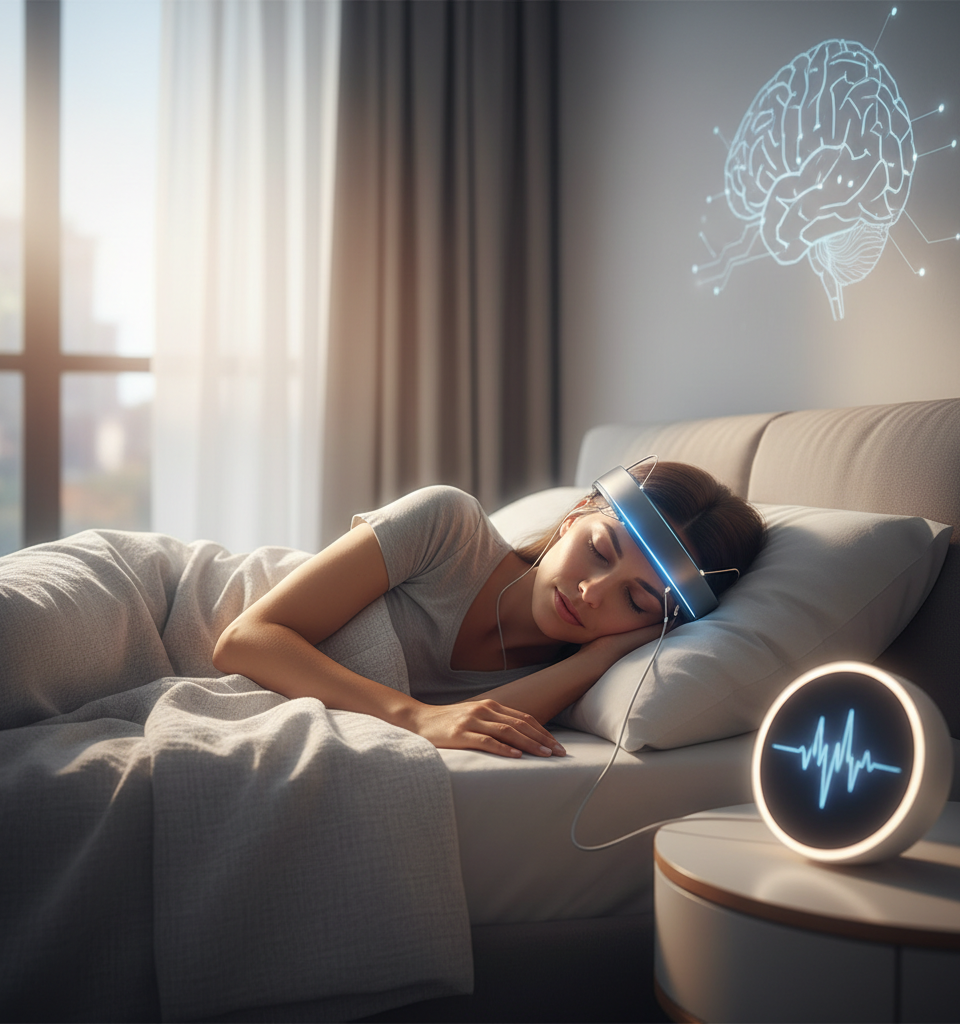
Muse, a novel wearable technology, is set to introduce a potentially disruptive feature: the ability to monitor brainwave patterns via electroencephalography (EEG) to precisely time a user's wake-up call. The device aims to intervene during the lightest stage of a user's sleep cycle, thereby mitigating the often-jarring experience of traditional alarms and fostering a more gradual and natural awakening. This functionality represents a significant leap from conventional smart alarms, which typically rely on movement or heart rate data, offering a more direct and arguably more accurate assessment of a user's sleep state.
The premise behind Muse's ambitious offering lies in the established science of sleep cycles. Humans cycle through different stages of sleep, from light sleep to deep sleep and REM sleep. Waking during deep sleep can lead to sleep inertia, commonly known as grogginess or 'sleep drunkenness,' which can impair cognitive function and mood for hours. By actively monitoring brainwaves, Muse intends to identify periods of light sleep, allowing it to rouse users at the most physiologically advantageous moment. This personalized approach to waking could significantly enhance daily productivity and overall well-being, marking a pivotal advancement in consumer-grade sleep technology.
The Technology Behind the Timely Awakening
The core of Muse's innovation is its integration of EEG technology. Unlike simpler biosensors, EEG directly measures electrical activity in the brain through electrodes placed on the scalp. This allows for the differentiation of brainwave frequencies associated with various sleep stages – from the slow delta waves of deep sleep to the faster alpha and theta waves characteristic of lighter sleep and wakefulness. The device would, therefore, be capable of discerning when a user is transitioning into a lighter sleep stage, signaling the opportune moment for an alarm. This sophisticated data processing is expected to occur in real-time, adapting to individual sleep patterns rather than relying on a preset, rigid schedule.
The development of consumer-friendly EEG devices has seen increasing traction in recent years, with applications ranging from meditation aids to focus enhancers. Muse’s application of this technology to sleep, specifically for intelligent waking, represents a novel and potentially high-impact use case. The challenge lies in translating complex neurological data into actionable, user-friendly insights and ensuring the device’s comfort and accuracy for nightly wear. Should Muse succeed, its impact could extend beyond individual users, influencing broader trends in health and wellness technology.
Broader Implications for Health and Wellness
This intelligent wake-up system holds significant implications for the broader health and wellness industry. Chronic sleep deprivation is a prevalent issue globally, impacting physical health, mental acuity, and public safety. By optimizing the waking process, Muse could contribute to a reduction in sleep inertia and an improvement in overall sleep quality, even if the total sleep duration remains unchanged. For individuals struggling with consistent morning routines, or those whose work demands variable start times, such a device could offer a crucial tool for maintaining cognitive performance and mood stability throughout the day. It also positions itself as a premium offering in the burgeoning market for personalized health solutions.
The market for sleep technology is already robust, encompassing smart mattresses, advanced sleep trackers, and light therapy devices. However, many current solutions offer passive monitoring or rudimentary intervention. Muse's active, EEG-driven approach could set a new standard for intelligent intervention, moving beyond mere data collection to proactive optimization. This could spur further innovation in the sector, prompting competitors to explore more sophisticated biometric data for personalized health management. The success of Muse would likely validate the market's appetite for highly personalized and data-driven health tools.
What's Next for Intelligent Wake-Up Systems
As Muse prepares to bring its EEG-powered wake-up system to market, the next steps will involve rigorous testing, user feedback integration, and securing necessary regulatory approvals, particularly given the medical nature of EEG sensing. The effective communication of its scientific basis and user benefits will be crucial for consumer adoption in a crowded wearable market. Additionally, future iterations might explore integration with other smart home systems, allowing for a more holistic morning routine, perhaps automating coffee makers or adjusting room lighting based on the user's readiness to wake. The long-term vision could see such technology evolving into comprehensive sleep-management platforms, not just wake-up aids.
The potential for Muse to genuinely fix mornings by tapping into brainwave data is a compelling proposition within the evolving landscape of wearable technology. If successful, it could redefine expectations for how technology interacts with our most fundamental biological rhythms, ushering in an era where wearables move beyond simple tracking to active, intelligent physiological management. The coming months will be critical in demonstrating the device's efficacy and securing its place as a transformative tool in personal health management.