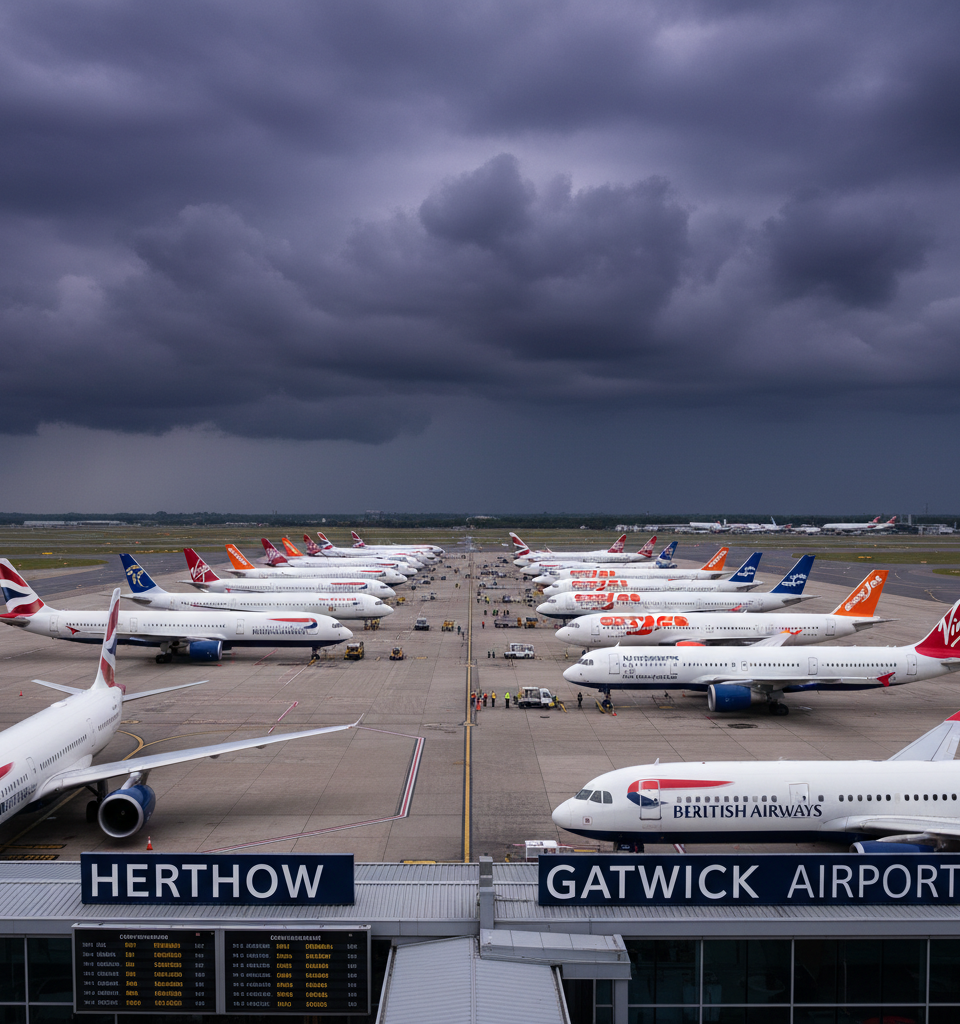
Air travel across London has faced considerable upheaval today, with both Heathrow and Gatwick airports reporting a cumulative total of more than 600 delayed flights. The primary cause for this extensive disruption has been identified as adverse weather conditions, specifically thunderstorms, situated to the south of the UK.
Unprecedented Storm Impact
The sheer volume of delayed flights underscores the significant operational challenges posed by severe weather. Airlines and air traffic control agencies are working concurrently to manage the airflow into and out of two of Europe's busiest aviation hubs. Such widespread weather-related delays, affecting hundreds of flights on a single day, represent a substantial impact on travel networks and passenger schedules.
Operational Challenges and Passenger Experience
For thousands of passengers, the delays have translated into prolonged waits at terminals, missed connections, and altered travel plans. Airport staff are contending with crowded gates and the logistical complexities of rescheduling departures and managing aircraft turnaround times. The knock-on effect of these delays will likely be felt for many hours, if not days, as airlines work to restore their regular flight schedules and position aircraft correctly for subsequent services.
Aviation Industry Response
In response to the meteorological conditions, air traffic control restrictions were likely implemented to ensure safety, inevitably leading to reduced capacity in certain airspace sectors. Airlines are typically forced to either hold aircraft on the ground, divert them, or cancel services in such circumstances. These decisions are made in coordination with air traffic service providers to mitigate risks associated with turbulence, lightning, and heavy precipitation.
Broader Economic Implications
The economic ramifications of such delays extend beyond individual passengers. Airlines incur significant costs due to fuel burn from holding patterns, crew overtime, and compensation for delayed travelers. Freight operations, which also rely heavily on scheduled flights, could also face disruptions, potentially impacting supply chains. The collective financial burden on the aviation sector and related industries from a day of widespread weather-induced delays is substantial.
Mitigating Future Disruptions
While weather events are by nature unpredictable, the aviation industry continuously invests in technology and protocols to minimize their impact. Advances in meteorological forecasting and air traffic management systems aim to provide earlier warnings and more flexible rerouting options. However, the sheer intensity and localized nature of thunderstorms can still present insurmountable challenges, highlighting the inherent vulnerabilities of air travel to natural phenomena.
Outlook for Travelers
Passengers scheduled to fly from Heathrow or Gatwick in the immediate future are advised to monitor their flight status closely with their respective airlines. The cascading effect of today's delays means that subsequent flights may also experience knock-on disruptions, even once the immediate weather threat has passed. Travelers should prepare for potential further changes and be aware of their rights regarding delay compensation and rebooking options.