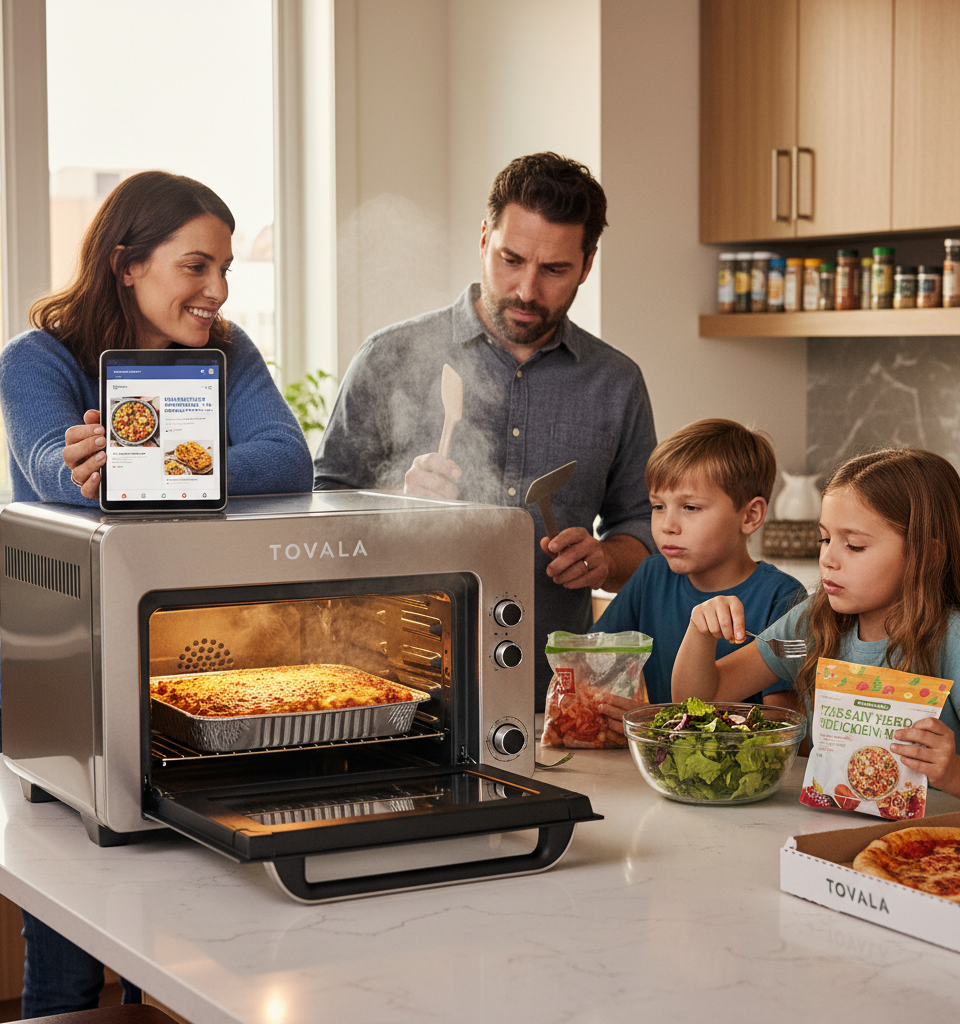
Tovala, the unique meal delivery service that pairs pre-portioned ingredients with a proprietary smart oven, recently broadened its offerings with dedicated family-sized meal kits. This strategic expansion, rolled out progressively over the past months, aims to capture a larger segment of the burgeoning home meal solutions market by catering to multi-person households. While initial reviews praise the system's unparalleled convenience and the culinary quality of its dishes, a persistent criticism regarding the elevated sodium levels in many of its prepared meals has resurfaced, prompting a closer look at the nutritional trade-offs inherent in such convenience-driven dining.
Context and Market Landscape
6 billion in 2023, has evolved significantly since its inception, moving beyond simple ingredient delivery to encompass more integrated, high-tech solutions. Tovala carved out its niche by providing not just the food but also the cooking appliance, thereby simplifying the entire meal preparation process to scanning a barcode and pressing a button. This "smart kitchen" approach targets busy professionals, families, and individuals seeking gourmet-quality meals without the time commitment of traditional cooking.
The introduction of family meals directly positions Tovala against larger competitors like Blue Apron and HelloFresh, which have long offered family-friendly plans, but Tovala differentiates itself with the automated cooking experience. This move is particularly relevant as consumers increasingly prioritize convenience without sacrificing perceived quality, yet remain mindful of health and wellness trends.
Key Details and Consumer Feedback
Tovala's family meals typically serve four adults and are priced competitively, often ranging from $15 to $20 per serving, depending on the subscription plan and meal choices. Each meal arrives prepped and often partially cooked, designed for minimal intervention before being placed in the Tovala oven for final preparation. User testimonials frequently highlight the ease of use and the diverse menu options, which include globally inspired dishes and comfort food classics.
However, a consistent refrain across numerous independent reviews and consumer forums points to the sodium content. For instance, a single serving of a typical Tovala family meal, such as "Creamy Tomato & Italian Sausage Pasta" or "Chicken Florentine with Roasted Potatoes," can exceed 1,200 milligrams of sodium, representing over 50% of the recommended daily intake of 2,300 milligrams for healthy adults, and significantly more for individuals with dietary restrictions or hypertension concerns. This high sodium count, while contributing to flavor and preservation, presents a notable health consideration for subscribers.
Industry Impact and Competitive Position
The expansion into family meals by Tovala underscores a broader trend within the meal kit sector: the relentless pursuit of market share through diversification and enhanced convenience. By offering larger portions, Tovala directly competes for the weekly dinner budget of a demographic previously less served by its individual-focused model. This could compel rival services to further innovate their own offerings, potentially leading to more integrated hardware solutions or even greater emphasis on "oven-ready" or "one-pan" meals. The challenge for Tovala, however, lies in balancing the convenience and flavor profiles that attract consumers with growing demands for healthier options. As health consciousness rises, companies that fail to address nutritional concerns, particularly around ingredients like sodium, risk alienating a significant portion of their potential customer base.
Expert Perspective
Food industry analysts generally view Tovala's strategic pivot as a smart business move in a competitive landscape. "The smart oven integration gives Tovala a unique selling proposition that few competitors can match," notes Dr. Eleanor Vance, a food technology consultant. "However, the sodium issue is a potential Achilles' heel. Consumers are becoming more sophisticated about nutrition, and transparency is paramount. Tovala will need to either find ways to reduce sodium without compromising taste or clearly articulate their nutritional information and perhaps offer low-sodium alternatives to maintain long-term user trust and expand its demographic reach beyond just convenience-seekers." She suggests that while bold flavors are often associated with convenience foods, the market is ripe for innovation in healthier, quicker options.
The Path Forward
Looking ahead, Tovala faces the dual challenge of scaling its family meal production while proactively addressing nutritional feedback. Potential next steps could include developing a dedicated line of low-sodium family meals, offering greater customization options for ingredients, or enhancing the nutritional transparency on its meal cards and website. Furthermore, as the company explores technological advancements, it could leverage its smart oven's capabilities to offer highly personalized cooking profiles that adjust for dietary needs.
The long-term success of Tovala's family meal strategy will likely hinge on its ability to evolve its product offerings in response to consumer demand, balancing the undeniable appeal of effortless high-quality meals with the increasing imperative for healthier eating. The next 12-18 months will be crucial in determining if Tovala can successfully navigate these complexities and solidify its position as a household name in modern meal solutions.