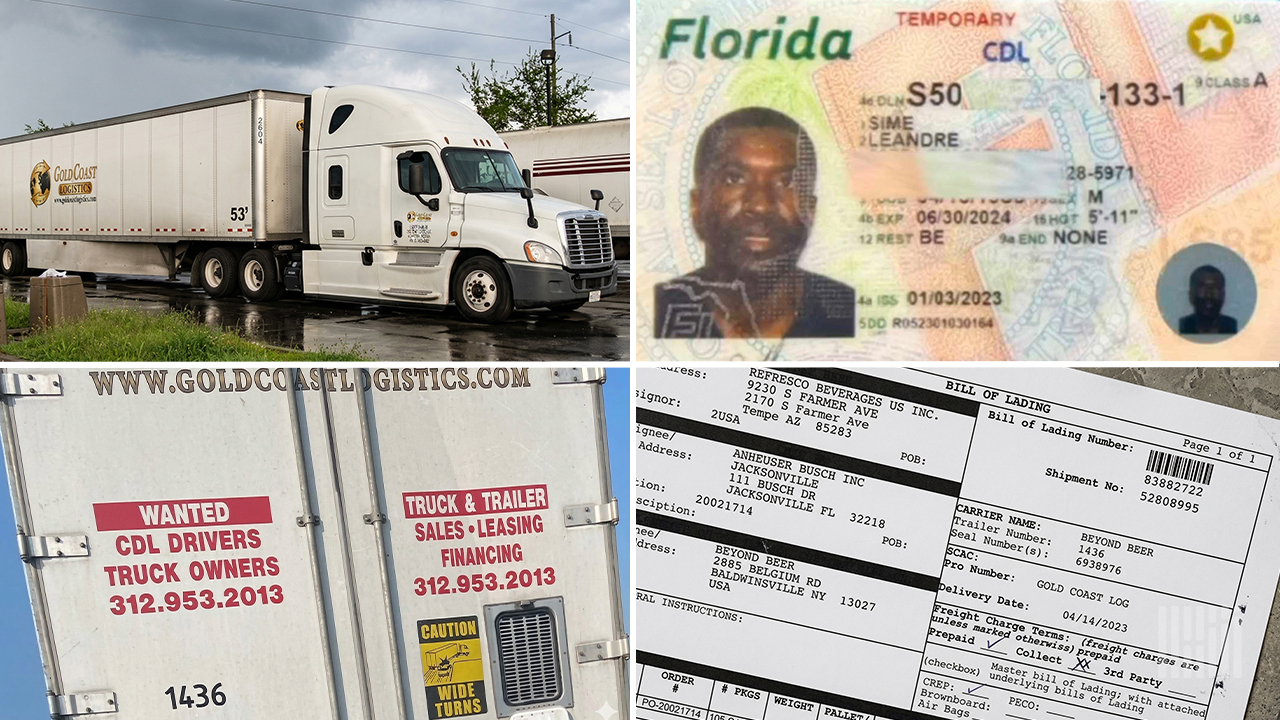
A horrific multi-vehicle collision in Beaumont, Texas, has tragically claimed 17 lives, exposing a perilous confluence of factors within the global freight logistics chain. At the heart of the disaster lies a complex arrangement involving a Denver-based freight broker, a Romanian carrier with a disturbing safety record, and a driver operating under a temporary commercial driver's license (CDL). This incident, impacting 17 individuals and their families, underscores an urgent need for reevaluation of regulatory frameworks, oversight mechanisms, and operational practices across the international trucking industry.
Unraveling a Web of International Operations
The intricate nature of modern freight transportation, often characterized by subcontracting and cross-border partnerships, is vividly illustrated by this tragedy. The freight broker, reportedly operating out of Denver but managed from Chisinau, Moldova, dispatched a truck owned by a Romanian carrier. This carrier's federal safety record is particularly alarming, reportedly linked to ten previous fatalities. Compounding these concerns, the driver involved in the Beaumont crash possessed only a temporary CDL, raising significant questions about the adequacy of training, experience, and the vetting processes employed by such carriers and brokers. This complex entanglement of international entities and varying regulatory standards creates significant blind spots for federal and state oversight agencies.
The Human Cost and Systemic Failures
The devastating human toll of 17 lives lost serves as a stark reminder of the catastrophic consequences when systemic failures converge. While investigations are ongoing, preliminary findings suggest a troubling pattern of negligence or oversight across multiple points in the supply chain. The involvement of a carrier with a history of fatal accidents, coupled with a driver holding a provisional license, highlights potential deficiencies in the U.S. Department of Transportation's (DOT) Federal Motor Carrier Safety Administration (FMCSA) oversight. Data from the FMCSA indicates that while truck-involved fatalities have seen a slight decrease in recent years, serious crashes remain a persistent problem, particularly those involving less experienced drivers or carriers with poor safety performance.
Industry Repercussions and Regulatory Scrutiny
This incident is expected to send significant tremors throughout the freight and logistics industry, prompting renewed scrutiny from regulators, insurers, and public safety advocates. Industry associations are likely to face increased pressure to advocate for stricter compliance measures and more robust vetting processes for international carriers and third-party logistics (3PL) providers. The potential for reputational damage and increased liability insurance premiums for companies associated with such intricate, multi-national operations could lead to a re-evaluation of current business models and partners. This event could also accelerate legislative efforts to close loopholes in temporary CDL issuance and expand the scope of federal oversight to better encompass international entities operating within U.S. borders.
Expert Insights on Regulatory Gaps
Transportation safety experts and legal analysts are weighing in, emphasizing the critical need for a more integrated and transparent regulatory framework. Dr. Eleanor Vance, a consultant specializing in supply chain risk management, notes, “The globalized nature of freight means that a broker in Colorado can work with a carrier 10,000 miles away, often with disparate safety standards. This incident exposes a significant blind spot where U.S. regulations may not adequately address the oversight of foreign carriers, or the due diligence expected from domestic brokers engaging their services.” Legal professionals anticipate a flurry of lawsuits, not only against the driver and carrier but also potentially implicating the freight broker for negligent entrustment or failure to adequately vet its partners. Damages sought could reach into the hundreds of millions, covering wrongful death, pain and suffering, and loss of consortium.
Future Implications and Calls for Action
In the aftermath of this tragedy, several key developments are anticipated. Regulatory bodies like the FMCSA are likely to intensify audits of carriers with high accident rates, particularly those based internationally. Policymakers may introduce legislation aiming to standardize temporary CDL requirements and strengthen cross-border enforcement agreements. Furthermore, the incident will likely prompt freight brokers and 3PLs to reassess their compliance protocols and increase their due diligence when partnering with carriers, especially those with international affiliations or checkered safety records. The long-term impact could lead to a more stringent, albeit potentially costlier, environment for freight transportation, prioritizing safety over purely economic considerations. The families of the victims, through their legal representatives, are expected to push for systemic changes to prevent similar catastrophes in the future, ensuring that the human cost of negligence is never forgotten.
Repercussions for Global Supply Chains
The ripple effects of this incident could extend beyond safety regulations, potentially influencing global supply chain dynamics. Companies relying on cost-effective international trucking might face increased scrutiny from stakeholders and consumers alike. The incident highlights the inherent risks of prioritizing the lowest bid without adequate verification of a carrier's safety and operational integrity. Major retailers and manufacturers, sensitive to brand reputation, could begin implementing stricter performance metrics and auditing processes for all their logistics providers, irrespective of their originating country. This could lead to a consolidation of reputable carriers and brokers, or conversely, drive legitimate companies towards greater transparency and investment in advanced safety technologies to differentiate themselves in a competitive market. Ultimately, the Beaumont tragedy serves as a potent catalyst for re-evaluating the ethical and practical components of global freight logistics. The expectation is that this disaster will spur a concerted effort across the industry and regulatory bodies to implement reforms that prioritize human life above all else, ensuring that such a devastating constellation of errors does not recur.