Disruptions to cross-border logistics and the reliability of supply chains can significantly increase costs for global businesses. These recent enforcement actions highlight ongoing operational risks that may impact delivery schedules and overall freight efficiency.
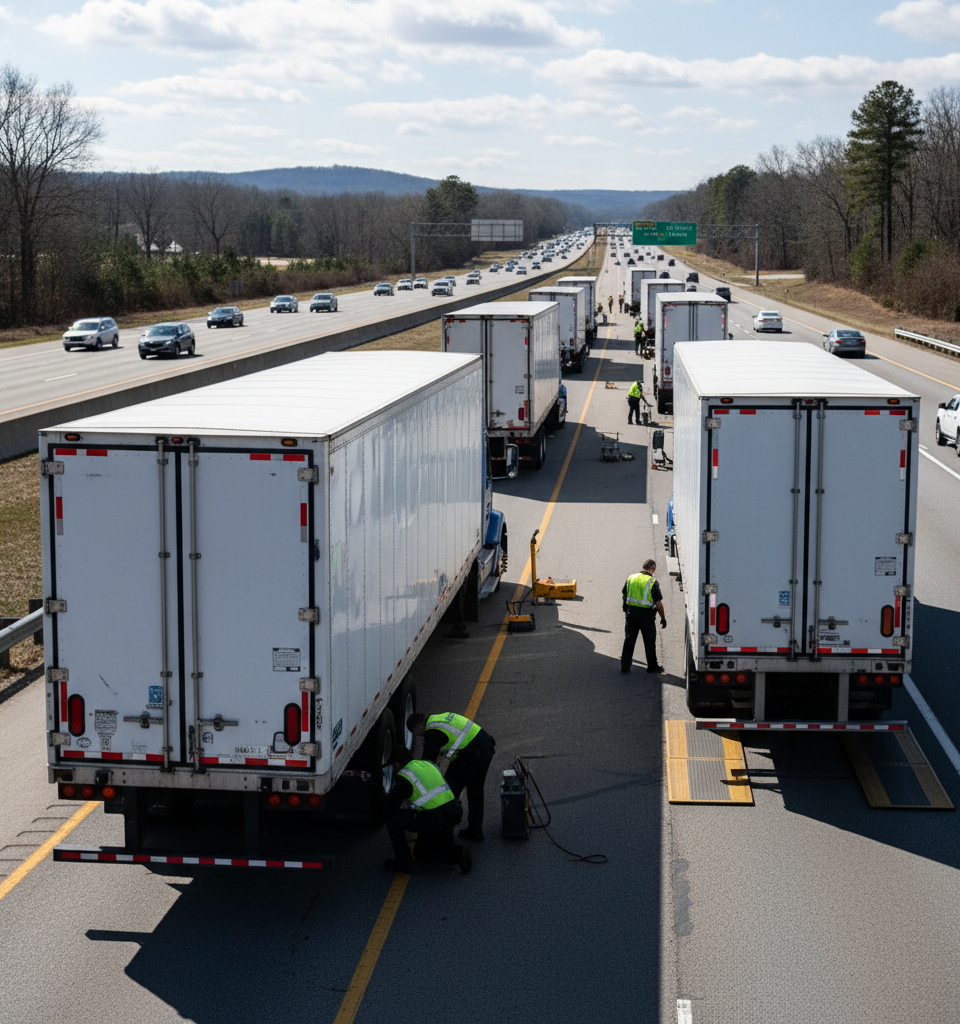
Commercial vehicle enforcement operations across six states recently uncovered thousands of safety violations, leading to the immediate removal of at least 99 truck drivers from service. These intensive inspections, conducted by various law enforcement agencies, focused on ensuring compliance with critical safety regulations within the trucking industry. The widespread nature of the infractions points to systemic issues that continue to challenge road safety and operational standards.
Scope of the Operations
The coordinated enforcement efforts took place in multiple states, signaling a broad commitment to improving commercial vehicle safety. While the exact duration of the operations was not specified, the results indicate a significant sweep, with inspectors scrutinizing a large volume of vehicles and drivers. The multi-state approach suggests a recognition among authorities that safety concerns are not confined to specific geographic areas but require a unified response.
Key Violations and Driver Impact
The thousands of safety violations discovered encompassed a range of issues, though specific categories were not detailed in the initial reports. Historically, common violations in such operations include issues with vehicle maintenance (brakes, tires, lighting), driver hours-of-service compliance, and proper licensing or documentation. The immediate placement of 99 drivers out of service underscores the severity of some of these non-compliance issues, indicating critical failures that posed an imminent danger to public safety or operational legality. Drivers are typically sidelined for offenses such as operating under the influence, lacking proper endorsements, or severe equipment defects.
Industry and Economic Implications
The findings have notable implications for the trucking industry, which forms the backbone of domestic and international supply chains. Increased scrutiny and the removal of non-compliant drivers can lead to temporary capacity reductions and potential delays in freight movement. For businesses relying on timely deliveries, particularly those engaged in cross-border trade or just-in-time inventory systems, these disruptions can translate into higher operational costs, missed deadlines, and impacts on customer satisfaction. The emphasis on safety, while crucial, can expose underlying challenges in driver recruitment, training, and carrier compliance management.
Broader Context of Commercial Vehicle Safety
These operations are part of ongoing efforts by state and federal agencies to enhance road safety and ensure the integrity of commercial transportation. They reflect a persistent challenge within the industry to maintain high safety standards amidst pressures related to driver shortages, tight delivery schedules, and economic constraints. Regulatory bodies frequently conduct such blitzes to identify and address hazardous practices, reminding carriers and drivers of their obligations. The cumulative effect of these inspections aims to foster a culture of compliance and reduce accidents involving heavy vehicles.
Looking Ahead
The recent enforcement actions serve as a stern reminder to trucking companies and independent operators about the unwavering importance of safety compliance. While specific future operations were not announced, it is anticipated that similar intensive inspections will continue as part of routine safety enforcement strategies. Carriers are likely to face increasing pressure to invest in robust safety programs, driver training, and vehicle maintenance to avoid penalties and operational disruptions. The consistent application of these rules is intended to elevate overall safety standards across the commercial vehicle sector. Businesses that rely on freight transportation will need to closely monitor their logistics partners' compliance records to mitigate risks to their supply chains.