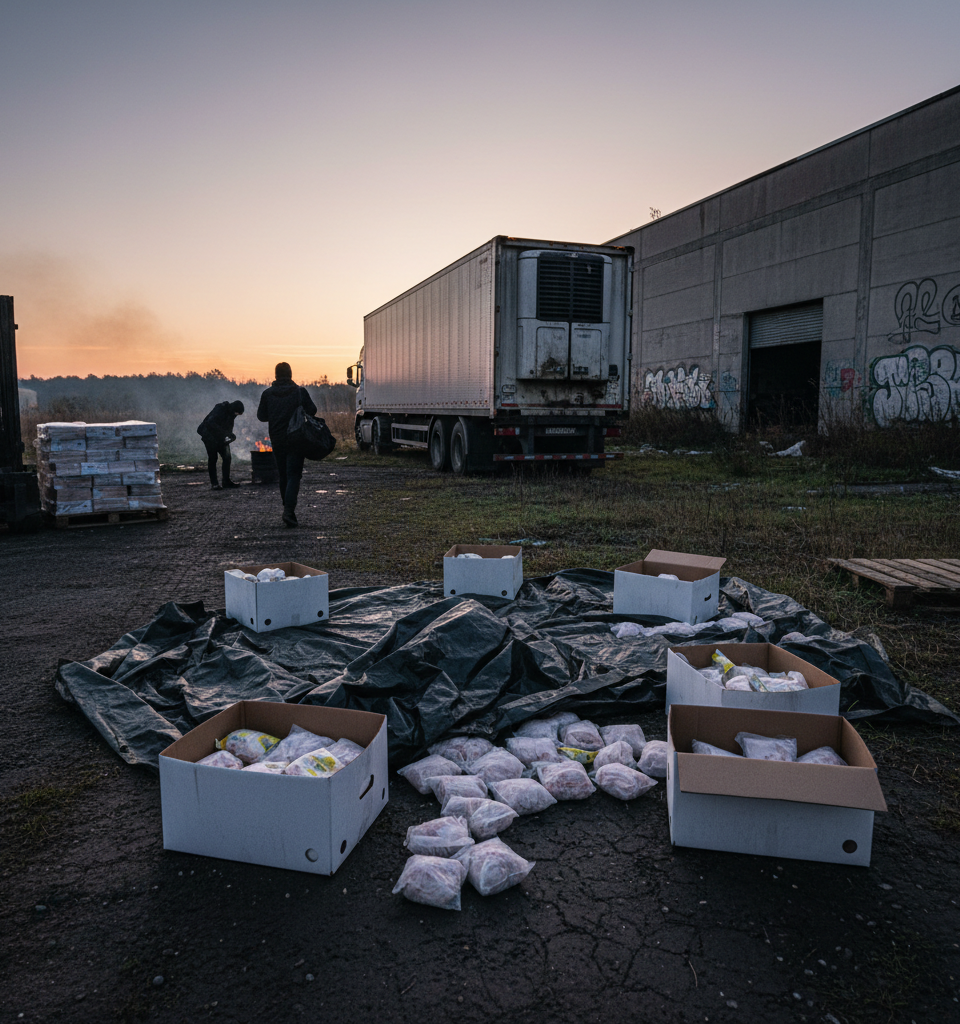
Protecting high-value cargo during transit is critical for global supply chains, as unexpected diversions directly impact product availability and profitability for sellers. This incident underscores how illicit activities can infiltrate logistics, creating significant financial and operational risks for businesses sourcing and distributing goods internationally.
Authorities recently reported a bizarre turn of events where a truck driver is accused of diverting a substantial shipment of chicken, valued at $110,000, to settle a drug debt. The discovery unfolded during a police operation that initially aimed to apprehend a separate fugitive.
The Unfolding Investigation
The unexpected revelation came as law enforcement officers were pursuing leads on a wanted individual. During their investigation, they stumbled upon information suggesting a commercial truck driver had allegedly traded his assigned cargo, a large quantity of chicken, as payment for narcotics. The specific details of how police connected the fugitive search to the chicken diversion have not been fully disclosed, but the intertwining of criminal activities became apparent.
Alleged Cargo Diversion
The core accusation centers on the truck driver's alleged decision to use the $110,000 worth of chicken as a form of currency to repay a drug debt. This act, if proven, represents a serious breach of trust and a significant deviation from standard shipping protocols. Cargo theft and diversion are persistent challenges in the freight industry, but using merchandise directly to settle personal illicit debts adds another layer of complexity to these crimes.
Industry and Supply Chain Implications
This incident underscores the constant threat of internal and external risks within the logistics sector. For businesses that rely on intricate supply chains for global distribution, such events can lead to substantial financial losses, damaged inventory, and disruptions in product availability. The alleged involvement of a driver in cargo diversion for personal illicit gain highlights the need for robust vetting processes for personnel, continuous monitoring of shipments, and stringent security measures throughout the transportation network. Companies moving perishable goods, like chicken, face heightened risks due to product sensitivity and market demand.
Broader Security Concerns
The episode raises broader questions about the security protocols governing high-value freight, especially in long-haul trucking. While cargo theft often involves direct hijacking or warehouse pilferage, this case points to the vulnerability of goods in transit through driver misconduct. Supply chain experts frequently emphasize the importance of end-to-end visibility and accountability, from the point of origin to final delivery, to mitigate such risks.
What Lies Ahead
As of 2026-09-19, the truck driver faces accusations related to the alleged cargo diversion and drug-related activities. The legal proceedings are expected to clarify the full extent of the driver's actions and any potential complicity from other parties. The outcome of this case could serve as a critical reminder for freight companies and their clients to continually review and enhance their security measures, driver background checks, and real-time tracking capabilities to safeguard valuable shipments against both organized crime and individual malfeasance.