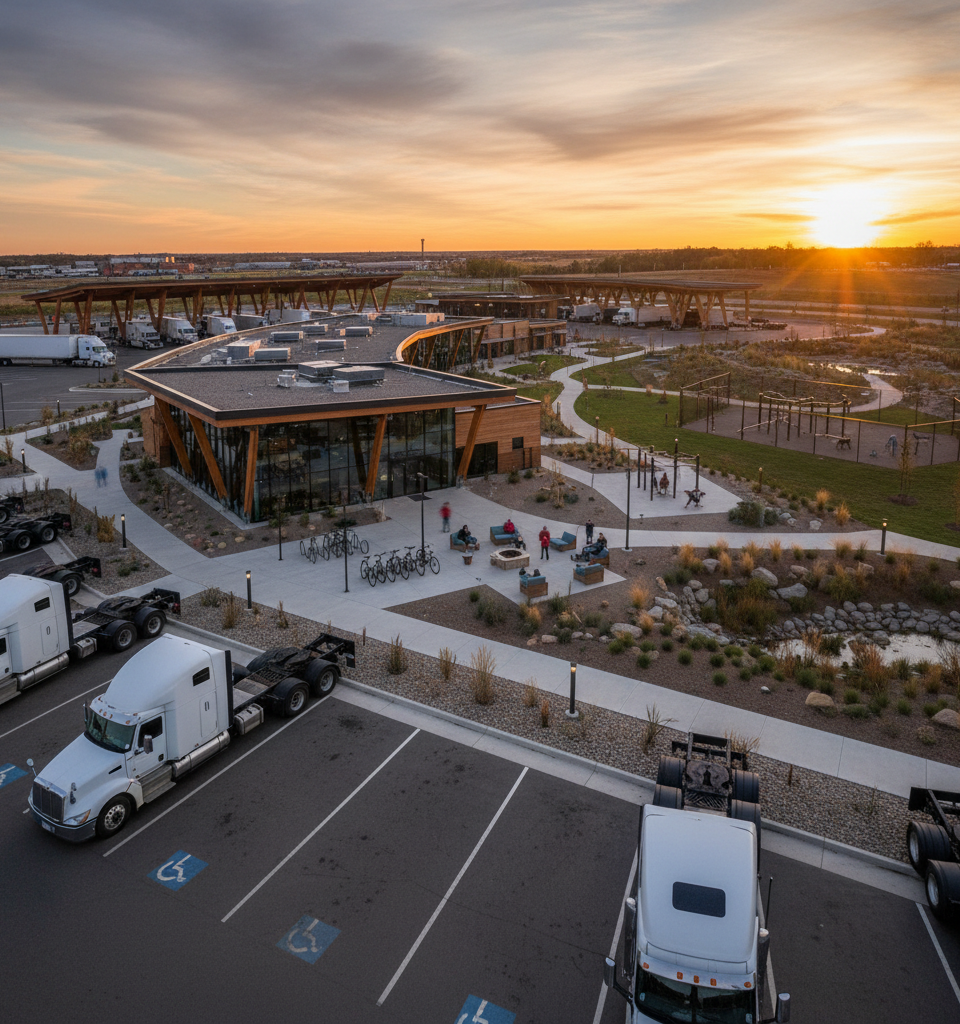
The efficiency of global supply chains critically depends on robust trucking infrastructure, and upgraded truck stops can directly impact driver retention and cross-border transport timelines. Reliable, modern facilities support the uninterrupted flow of goods vital for international trade.
Across the nation, truck stop operators are undertaking significant efforts to modernize their facilities, moving beyond traditional basic services. This initiative, driven by a deeper understanding of professional drivers' evolving needs and preferences, represents a substantial investment in the infrastructure supporting the trucking industry. The goal is to transform truck stops into more comprehensive and appealing destinations for those who spend their lives on the road.
Evolving Driver Demands Shape New Offerings
Historically, truck stops primarily offered fuel, parking, and essential food services. However, a shift in driver demographics and expectations is prompting operators to rethink this model. Drivers are increasingly seeking amenities that cater to their health, well-being, and connectivity, reflecting broader societal trends. This includes demand for better food options, improved hygiene facilities, and reliable internet access, which are now becoming standard expectations rather than luxuries.
Refreshing Facilities and Investing in Amenities
Operators are responding by refreshing existing facilities and investing in an array of new amenities. These upgrades range from renovated showers and laundry services to expanded dining choices that include healthier meals and diverse cuisine. Furthermore, there is a growing emphasis on creating comfortable lounge areas where drivers can relax, as well as providing access to fitness centers and wellness programs. Secure and well-lit parking remains a top priority, often coupled with advanced reservation systems to reduce stress for drivers seeking overnight rest.
Industry-Wide Impact and Driver Retention
This trend has far-reaching implications for the broader trucking industry. Improved truck stop facilities are seen as a critical factor in enhancing driver satisfaction and, consequently, retention rates. A more comfortable and supportive environment can alleviate some of the pressures associated with long-haul driving, potentially attracting new talent to a sector consistently facing labor shortages. For logistics companies, this translates into more productive drivers and potentially more reliable delivery schedules.
A Focus on Connectivity and Technology
Beyond physical comfort, technological upgrades are central to many operators' plans. Reliable, high-speed Wi-Fi is becoming indispensable, allowing drivers to stay connected with family, manage electronic logbooks, and access entertainment. Some facilities are also exploring charging stations for electric trucks and enhanced security systems leveraging advanced surveillance technology, anticipating future industry needs and regulatory changes.
The Road Ahead: Continued Investment Expected
Industry observers anticipate that this wave of investment and modernization will continue as competition among truck stop chains intensifies and driver preferences further evolve. The commitment to understanding and meeting these preferences is expected to drive further innovation in facility design and service offerings. This ongoing transformation underscores a recognition of truck stops as vital components of the nation's logistics infrastructure, essential for supporting the millions of drivers who keep goods moving across the country.