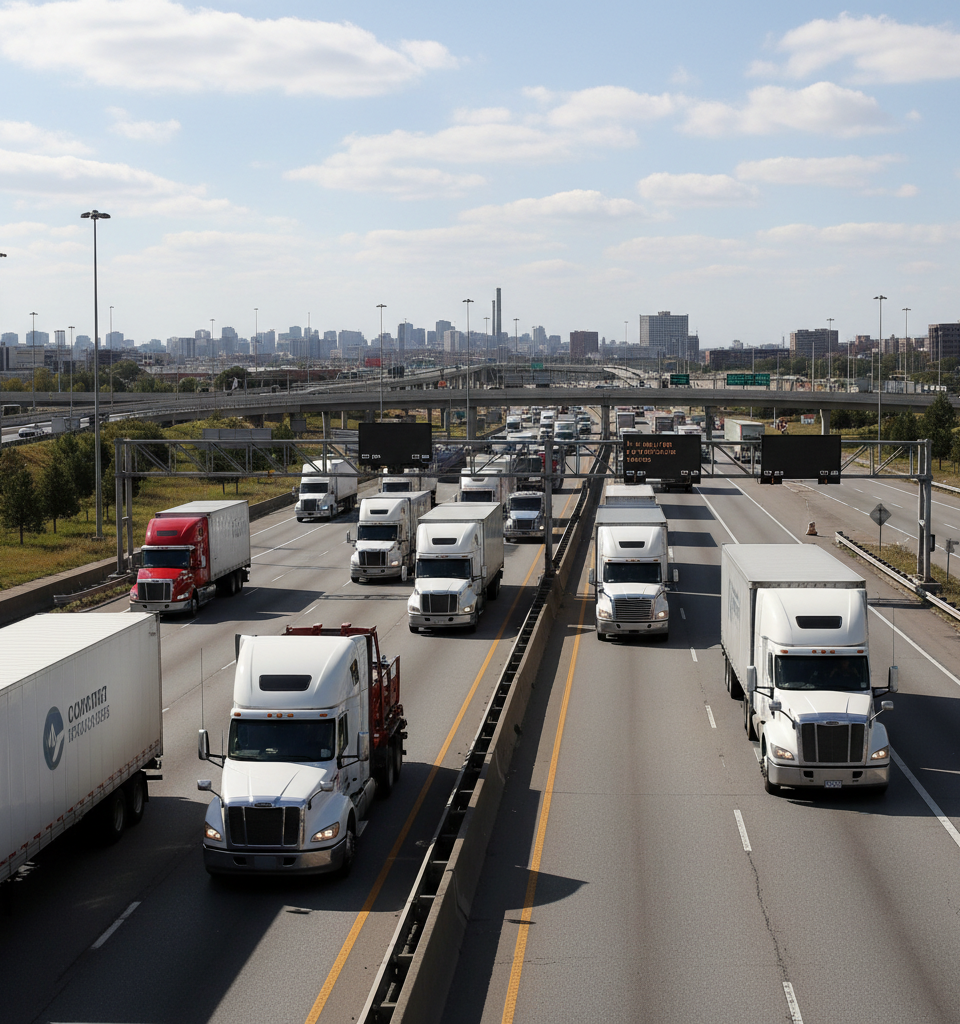
The North American trucking industry encountered a significant shift in market dynamics during the first quarter of the year, characterized by an uptick in freight rates across both spot and contract segments. This upward movement in pricing signals a tightening of available capacity, compelling transportation providers to intensify their efforts in operational streamlining and efficiency enhancements. The trend underscores a complex interplay of demand fluctuations, labor market pressures, and broader economic indicators, collectively reshaping the cost structure for shippers and profitability outlooks for carriers.
The recent rate hikes mark a potential inflection point following a period of relative stagnation, or even decline, in certain segments of the freight market. Historically, the trucking industry is a bellwether for economic activity, with freight volumes and rates often reflecting the health of manufacturing, retail, and consumer spending. The current surge suggests renewed underlying demand or a recalibration of supply, potentially stemming from factors such as inventory restocking cycles, seasonal demand fluctuations, or a cautious expansion of industrial output. This shift holds particular significance as businesses continue to grapple with supply chain resilience post-pandemic.
Key data points from industry reports indicate that average spot rates saw an increase of approximately 3-5% quarter-over-quarter, while contract rates, often negotiated over longer terms, edged up by a more modest 1-2%. This differential highlights the immediate responsiveness of the spot market to capacity constraints. Furthermore, industry analysts point to a declining tender rejection rate as evidence of carriers becoming more selective with available loads, prioritizing higher-margin opportunities. Fuel costs, though volatile, generally remained elevated, contributing to the upward pressure on pricing. Carriers have also invested in optimizing routes, improving truck utilization, and leveraging technology to mitigate rising operational expenses and improve profit margins amidst these evolving conditions.
This tightening capacity and subsequent rate escalation carry significant implications across the broader economic spectrum. Shippers, ranging from manufacturers to retailers, face increased transportation costs, which could ultimately translate into higher prices for consumers or reduced profit margins for businesses. The impact is particularly pronounced for industries with high freight intensity, such as consumer packaged goods and durable goods. Conversely, trucking companies, after navigating a challenging period, may see improved financial performance, potentially enabling further investments in equipment, technology, and driver retention initiatives, which are crucial for the long-term health of the sector.
Industry experts and financial analysts largely concur that the current market conditions reflect a more balanced supply-demand equilibrium, moving away from the overcapacity seen in previous periods. "We're observing a more rationalized market where carriers are demonstrating pricing discipline," commented Sarah Chen, a senior analyst at Freight Insights Group. "The focus on internal efficiencies isn't just about cost-cutting; it's about strategic positioning for sustained profitability. We anticipate this disciplined approach will help stabilize the market against future volatility." Another factor cited by experts is the lingering effect of driver shortages, although less acute than in recent years, still contributes to capacity limitations.
Looking ahead, several factors will influence the trajectory of trucking rates and capacity. The upcoming peak shipping season later in the year, typically characterized by elevated demand, will be a critical test of the market's resilience. Furthermore, potential infrastructure spending, shifts in consumer spending patterns, and the ongoing push towards greater supply chain visibility and automation will play pivotal roles. Regulators' decisions concerning emissions standards and labor laws could also introduce new cost pressures or operational constraints. Carriers are expected to continue their focus on data analytics and predictive modeling to optimize operations and make informed pricing decisions, while shippers will likely explore diversification of their logistics partners and potentially nearshoring strategies to mitigate transport risks.
The delicate balance between freight demand and available trucking capacity remains a central challenge for the logistics sector. The current environment, marked by rising rates and a strategic pivot towards internal efficiency, suggests a maturing market adapting to an array of economic and operational pressures. Stakeholders throughout the supply chain will need to remain agile and proactive to navigate these evolving dynamics effectively in the coming quarters.