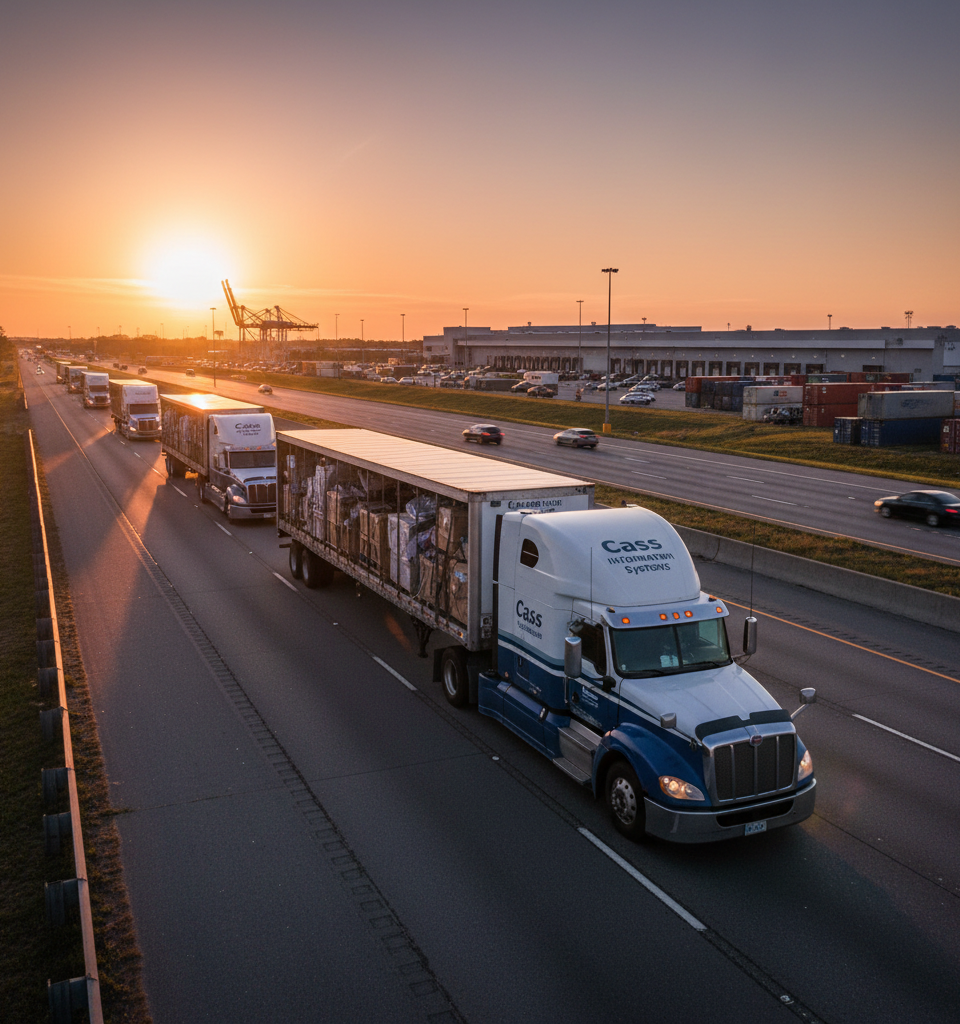
Truckload linehaul rates escalated sharply during April, marking a new high point in the current market cycle. Figures released by Cass Information Systems reveal that the underlying cause is the sustained pressure from supply constraints within the freight sector. This development signifies ongoing challenges for shippers grappling with elevated transportation expenses, while carriers benefit from a robust pricing environment.
Context and Background
This latest surge is not an isolated event but rather a continuation of a trend observed over the past several months, exacerbated by the lingering effects of global supply chain disruptions. The freight market, particularly the truckload segment, has been operating under immense pressure since early 2020. Factors such as a chronic driver shortage, limited equipment availability, and surging consumer demand have created a persistently tight capacity environment. The Cass Linehaul Index, a key indicator of truckload pricing, has consistently reflected these inflationary pressures, with April's rise pushing the index further into record territory.
Key Details and Figures
According to Cass Information Systems' latest report, the Cass Linehaul Index registered a remarkable 18.7% year-over-year increase in April. Month-over-month, the index also saw a substantial jump of 4.8%, indicating acceleration in pricing power for carriers. This acceleration points to a market where available capacity is still struggling to meet demand, allowing carriers to command premium rates. A spokesperson for Cass noted, "The data clearly shows that despite some early indications of moderation elsewhere, the core truckload market remains exceptionally tight. The magnitude of this increase signals that shippers are paying significantly more to move goods across the country."
Industry and Market Impact
The implications of these soaring linehaul rates are far-reaching. For shippers, particularly those in retail, manufacturing, and e-commerce, higher transportation costs translate directly into increased operational expenses, which may ultimately be passed on to consumers. This can contribute to broader inflationary pressures across the economy. Conversely, trucking companies are experiencing strong profitability, enabling them to invest in new equipment, technology, and driver recruitment initiatives, albeit against the backdrop of rising operating costs like fuel and labor.
Expert Perspective
Industry analysts widely concur that current market dynamics are unsustainable in the long term but offer differing perspectives on the immediate future. "We are witnessing a sellers' market that shows little sign of abating in the near term," stated a leading freight market economist. "While some smaller pockets of the economy might see slight softening, the overall demand for truckload services continues to outstrip available capacity. Until significant new capacity – be it drivers or equipment – enters the market, or demand meaningfully cools, we expect prices to remain elevated or even continue their upward trajectory." Others point to the intermodal market as an alternative, but even multimodal options are facing their own capacity challenges, limiting relief.
What's Next: Future Implications
The immediate outlook suggests that truckload linehaul rates will likely remain elevated through the coming months. Factors such as the upcoming peak shipping season and the continued geopolitical uncertainties could further tighten capacity. Shippers are increasingly exploring strategies like dedicated fleets, longer-term contract agreements, and more sophisticated forecasting to mitigate exposure to volatile spot market rates. Carriers, while enjoying strong rates, are simultaneously grappling with the challenges of driver retention and escalating fuel prices. The equilibrium point for this market remains elusive, leaving both sides of the freight equation to navigate a complex and rapidly evolving landscape. The industry will be closely watching for any signs of capacity expansion or a significant shift in consumer spending habits that could alter the current high-cost environment.